
Washer Not Pumping Water – What Part Fixes This Problem?
Need the replacement part? Search your model number at for guaranteed fit and fast free shipping.
Understanding the Problem
When a washer 'won't pump' it means the machine fails to remove water during the drain/spin portion of the cycle. Normally the control board signals the drain pump to run and pump water out through the drain hose; if that doesn't happen, the washer may stop mid-cycle, show an error code, or leave water in the drum. Both front-load and top-load machines use pumps or pump assemblies—though the exact design varies—and a problem in any related component (pump, hose, filter, switch, or electronics) can result in no pumping. Diagnosing a non-pumping washer starts with ruling out blockages and obvious failures: check the drain hose and pump filter for lint, coins, or debris; listen for the pump running (a humming or whirring sound); and watch for error codes or lights. If the pump is electrically powered but not spinning, the fault may be the pump motor, a drive coupling/belt, the door/lid switch, or the control board. A step-by-step check narrows the cause so you can replace only the failed part.
Common Symptoms
Washer fills but won’t drain or spin; water remains in drum after cycle; washer shows a drain-related error code; gurgling or no sound from the pump; intermittent draining or slow draining.
Common Causes
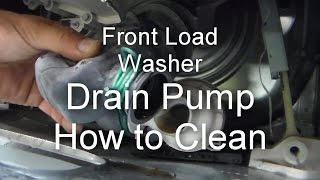
- Clogged drain hose or pump filter blocking water flow
- Failed drain pump motor or damaged pump impeller
- Blown lid/door switch preventing the pump from receiving power
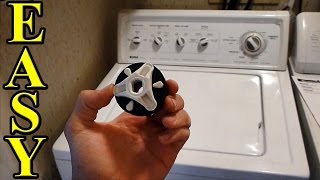
- Broken pump coupler or drive belt on drive-style washers
- Faulty control board/relay not signaling the pump
- Blocked or kinked drain line or plumbing issue at the house drain
Popular Parts That Fix This Problem
These are the most common replacement parts that fix this problem. When you're ready to order, click below to find the right part at ProsourceParts.com — just search by your appliance model number for a guaranteed fit.

Helpful Repair Tip
First clear the drain filter and hose of debris, then run a drain/spin cycle while listening at the pump—if you hear a hum but the impeller doesn't turn, the pump motor is likely bad; if there's silence, test the pump for 120/240V (or continuity with a multimeter) and check the lid/door switch and wiring.
Frequently Asked Questions
What should I check first if my washer won't pump?
Start by unplugging the washer and manually draining any water into a bucket. Then check the external drain hose for kinks and remove the pump filter or coin trap to clear debris. If accessible, inspect the pump impeller for obstructions. If the pump is clear but doesn't run, listen for humming during a drain cycle and test for power to the pump or continuity on the pump motor with a multimeter.
Can I replace the pump myself and how much will it cost?
Many people with basic tools can replace a drain pump—access is usually through the front or back panel. Costs vary: a replacement pump or assembly typically runs from $40–$200 depending on brand and model; labor (if you hire a technician) can add $100–$250. Always use the exact OEM/recommended part for your washer model and follow safety steps (unplug the washer, turn off water) or hire a pro if you're not comfortable working with electrical components.
Related How-To Videos
Real DIY Repair Stories
Be the first to share your repair story!
Share Your Repair Story
Your experience helps other homeowners fix their appliances. Tell us how it went!
Can't Fix It Yourself? Find a Local Technician
It's perfectly okay to call a professional. Some repairs require specialized tools, deep teardowns, or dealing with complex systems that are better left to the pros.

Find the Right Part for Your Appliance
Don't guess — search your exact appliance model number at ProsourceParts.com to find the correct OEM compatible replacement part. They offer fast free shipping, guaranteed fit, and thousands of parts in stock.
Your Free Parts Videos
Whether your dishwasher won't drain, your dryer stopped heating, or your fridge isn't cold, we've created simple repair guides for the most common appliance problems homeowners face. Each guide explains what's going wrong, the most likely causes, and which replacement parts fix the issue. When you're ready to order, we link directly to ProsourceParts.com where you can search by model number and get the right part shipped fast.