
Washer Not Filling With Water Intermittently – What Part Fixes This?
Need the replacement part? Search your model number at for guaranteed fit and fast free shipping.
Understanding the Problem
Brief explanation: An intermittent or "part-time" no-fill problem means the washer sometimes fills normally and other times it doesn’t. This typically points to a component that is failing intermittently (water inlet valve solenoids, pressure/level switch or hose, lid/door switch, control board) or an intermittent supply problem (kinked hose, clogged screen, or one of the supply faucets partially closed). Below are step-by-step diagnostics and repair actions you can follow to find and fix the problem. Step-by-step diagnostic and repair instructions: 1) Confirm the symptom and pattern - Run several fill cycles (use a short wash or diagnostic/fill-only cycle if available) to confirm when the no-fill happens: always on hot, always on cold, only sometimes, after a certain time, or only on specific cycles. 2) Check the easiest things first (water supply) - Make sure both hot and cold faucets are fully open and that there’s good water pressure at them. - Inspect inlet hoses for kinks or pinch points. Replace damaged hoses. - Shut off the valves, disconnect hoses at the washer, put the hose ends into a bucket and briefly open the valves to confirm both supplies flow strongly. 3) Inspect and clean inlet screens/strainers - Turn off water and unplug the washer. Remove the inlet hoses from the back of the washer. Look inside the washer inlet ports for small metal/plastic screens. Remove and clean them (debris or mineral buildup can partially block flow and cause intermittent fills). 4) Listen and observe the water inlet valve during a failing cycle - With the washer plugged back in and water on, start a cycle that should fill. If it fails, put your ear next to the back of the washer near the inlet valve. When the machine commands water, you should hear a soft click or humming of the solenoids and feel water flow in the hoses. - If you hear clicking but no water, the valve may be stuck mechanically. If you hear nothing, the valve may not be getting power or the solenoids are open/broken. 5) Test the water inlet valve electrically - Safety first: unplug the washer. Remove the access panel to get to the valve. With a multimeter set to resistance (ohms), disconnect the valve’s wire connectors and measure the coil resistance between the terminals for each solenoid. You should see continuity (exact ohm value varies by model; typically a few hundred to a few thousand ohms). Open/infinite reading suggests a burned coil. - If coils show continuity but fill still fails, you can test for voltage when a fill is commanded (requires caution). With the washer powered and a helper starting a fill cycle, measure for the expected AC voltage at the valve terminals (usually mains voltage in top-load washers or a lower DC signal in some models). If voltage is present but valve doesn’t open, replace the valve. 6) Check the pressure/level switch and pressure hose (top-load and some front-load washers) - The washer detects water level by a small air tube and a pressure switch or an electronic pressure sensor. A split, blocked, or wet pressure hose will cause intermittent no-fill because the switch isn't seeing the rising water pressure. - Locate the small rubber air tube from the tub to the pressure switch; disconnect it and blow through it to clear blockages. Inspect for cracks or moisture. Test continuity of the pressure switch where applicable or replace if intermittent. 7) Test the lid/door switch and interlocks - Many washers will not fill if the lid/door switch is faulty or making intermittent contact. Manually activate the door/lid switch while a fill should occur; if it only fills when you press the switch, replace it. 8) Check the control board/timer and wiring - Intermittent electronic control failures, burned solder joints, or loose connectors can stop the fill signal intermittently. Inspect control board connectors, look for burnt components or cracked solder joints. Wiggle harnesses during a failing cycle to see if it changes behavior. Replace or repair the control/timer if it’s the confirmed cause. 9) Replace suspect parts and retest - Replace the failed component (inlet valve, pressure switch/hose, lid switch, or control board) and run multiple cycles to confirm reliability. 10) Final checks - After repair, test several cycles including hot-only, cold-only, and automatic fill cycles to be sure the problem is resolved. Safety note: Always unplug the washer and shut off water before working on plumbing or electrical components. When testing for live voltage, use caution or hire a technician if you are not comfortable. Closing faucets and using bucket tests will prevent water damage.
Common Symptoms
Washer fills sometimes but not always; may fill on one temperature only; washer shows error codes or pauses; clicking heard without water flow; no noise and no fill.
Common Causes
- Clogged or partially blocked inlet screens or kinked supply hoses reducing flow
- Failing or intermittent water inlet valve solenoids
- Faulty water level/pressure switch or cracked/blocked pressure hose
- Defective lid/door switch or intermittent control board/timer signal
Popular Parts That Fix This Problem
These are the most common replacement parts that fix this problem. When you're ready to order, click below to find the right part at ProsourceParts.com — just search by your appliance model number for a guaranteed fit.

Helpful Repair Tip
If it fails intermittently, start a cycle and listen at the back for a click when fill should begin. If you hear the click but no water, the inlet valve is likely stuck or clogged; if you hear nothing, check wiring/board or the lid switch first.
Frequently Asked Questions
Why does my washer sometimes fill and sometimes not?
Intermittent fills usually mean a part is failing or the water path is partially blocked. Start by checking supply valves, hoses and inlet screens. If supply is good, suspect the inlet valve, pressure switch/air tube, lid switch or an intermittent control/connector fault. Diagnose by observing cycles, listening for valve operation, and testing components electrically.
Can I replace the water inlet valve myself, and how hard is it?
Yes — replacing the inlet valve is a common DIY repair if you can remove the washer access panels and use basic hand tools. Turn off power and water, disconnect hoses and wiring, unbolt the valve, swap it with the new unit and reassemble. Make sure the replacement is the correct part for your model and test for leaks and proper fill after installation. If you’re unsure about electrical tests or live-voltage checks, hire a technician.
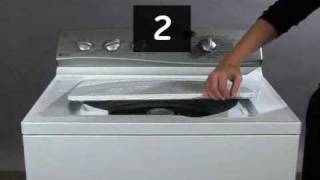
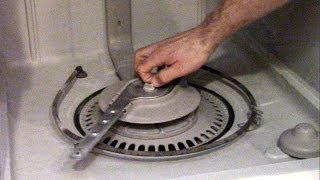
Related How-To Videos
Real DIY Repair Stories
Be the first to share your repair story!
Share Your Repair Story
Your experience helps other homeowners fix their appliances. Tell us how it went!
Can't Fix It Yourself? Find a Local Technician
It's perfectly okay to call a professional. Some repairs require specialized tools, deep teardowns, or dealing with complex systems that are better left to the pros.

Find the Right Part for Your Appliance
Don't guess — search your exact appliance model number at ProsourceParts.com to find the correct OEM compatible replacement part. They offer fast free shipping, guaranteed fit, and thousands of parts in stock.
Your Free Parts Videos
Whether your dishwasher won't drain, your dryer stopped heating, or your fridge isn't cold, we've created simple repair guides for the most common appliance problems homeowners face. Each guide explains what's going wrong, the most likely causes, and which replacement parts fix the issue. When you're ready to order, we link directly to ProsourceParts.com where you can search by model number and get the right part shipped fast.