
Washer Won't Drain — Water Not Going Out? How to Diagnose and Fix It
Need the replacement part? Search your model number at for guaranteed fit and fast free shipping.
Understanding the Problem
When a washing machine finishes a cycle but water remains in the drum or won't pump out, it usually indicates a drainage problem. The most common issues are a clogged drain path (filter, hose or pump), a failed drain pump, or an electrical/interlock fault that prevents the pump from running. Front-load and top-load machines share many causes, but access points (filter location, lid switch) differ by model. Diagnosing the issue is a combination of simple checks (inspect and clear visible blockages, check the drain hose and coin trap) and basic electrical tests (listen for pump operation, test continuity of the pump or lid/door switch with a multimeter). For safety, always unplug the washer and turn off the water supply before working on it. If you’re unsure about electrical testing or removing panels, consider calling a pro.
Common Symptoms
Water remains in the tub after the cycle, washer pauses mid-cycle, error codes related to drain or door, gurgling or loud pump noises, wet laundry at cycle end, or the washer won't start drain pumps at all.
Common Causes
- Clogged drain hose or household drain (kinks, lint, coins, small articles)
- Blocked pump filter/coin trap filled with debris
- Faulty drain pump (electrical or mechanical failure)
- Defective lid switch or door lock preventing pump operation
- Obstructed pump impeller (small items stuck in pump)
- Control board/timer or wiring fault that doesn't signal the pump
Popular Parts That Fix This Problem
These are the most common replacement parts that fix this problem. When you're ready to order, click below to find the right part at ProsourceParts.com — just search by your appliance model number for a guaranteed fit.
Helpful Repair Tip
Run a drain/spin cycle while listening at the bottom front of the washer—if you hear the pump humming or rattling it's receiving power but may be clogged or mechanically stuck; if it's silent and there's power to the washer, test the pump and door/lid switch for continuity with a multimeter.
Frequently Asked Questions
How can I quickly tell if the drain pump is bad or the hose is clogged?
Start by unplugging the washer and checking the drain hose for kinks or visible blockages and remove the pump filter/coin trap to inspect for lint, coins or debris. If hoses and filter are clear, run a drain cycle and listen: a humming or grinding sound from the pump area suggests the pump is powered but jammed; no sound at all (and no pump power) points to an electrical issue, lid/door switch or a failed pump motor.
Can I keep using the washer if it won't drain?
No — continuing to run the washer with drainage problems risks water damage, mold, and mechanical damage to the pump. Remove standing water manually and address the cause (clear clogs or replace faulty parts) before using the machine again.
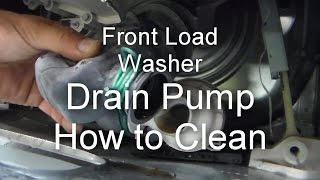
Related How-To Videos
Real DIY Repair Stories
Be the first to share your repair story!
Share Your Repair Story
Your experience helps other homeowners fix their appliances. Tell us how it went!
Can't Fix It Yourself? Find a Local Technician
It's perfectly okay to call a professional. Some repairs require specialized tools, deep teardowns, or dealing with complex systems that are better left to the pros.
Find the Right Part for Your Appliance
Don't guess — search your exact appliance model number at ProsourceParts.com to find the correct OEM compatible replacement part. They offer fast free shipping, guaranteed fit, and thousands of parts in stock.
Your Free Parts Videos
Whether your dishwasher won't drain, your dryer stopped heating, or your fridge isn't cold, we've created simple repair guides for the most common appliance problems homeowners face. Each guide explains what's going wrong, the most likely causes, and which replacement parts fix the issue. When you're ready to order, we link directly to ProsourceParts.com where you can search by model number and get the right part shipped fast.