
Washer Not Agitating – What Part Fixes This Problem?
Need the replacement part? Search your model number at for guaranteed fit and fast free shipping.
Understanding the Problem
A washer that fills with water but does not agitate is a common problem on top‑load machines and is usually caused by a mechanical or electrical failure in the drive/agitation system. Depending on the design, the issue can be limited to the agitator itself (worn dogs, cam, splines), a broken drive belt or motor coupling, a faulty clutch or gearcase, a defective lid switch, or a bad motor or control board. Front‑load machines rarely use an agitator and have different failure modes (motor or control issues), so the diagnostic steps differ by model. Troubleshooting begins by observing what happens when the machine switches from fill to agitate: do you hear the motor? Does the drum try to turn? Is there a humming or grinding noise? Removing the agitator and visually inspecting internal plastic parts (dogs/cogs and spline) often reveals worn or broken pieces on top‑load washers. If the motor runs but the agitator doesn't move, the problem is usually between the motor and agitator (belt, coupling, clutch, dogs, or gearcase). If there is no motor activity at all, the fault could be electrical (lid switch, timer, motor start components or electronic control).
Common Symptoms
Washer fills normally but won’t agitate; motor hums or clicks; loud grinding or scraping during attempted agitate; drum spins in spin but agitator doesn’t move; washer makes no noise on agitate.
Common Causes
- Worn or broken agitator dogs/cogs or agitator spline
- Broken motor coupling (direct‑drive washers) or worn drive belt (belt‑drive washers)
- Faulty clutch, gearcase, or transmission (slippage or broken gears)
- Defective lid switch or lid lock preventing motor start
- Bad drive motor or motor start capacitor/relay
- Control board or timer failing to send the agitate signal
Popular Parts That Fix This Problem
These are the most common replacement parts that fix this problem. When you're ready to order, click below to find the right part at ProsourceParts.com — just search by your appliance model number for a guaranteed fit.

Helpful Repair Tip
Run a short agitation cycle with the lid open (if safe) and listen: if the motor hums but the agitator doesn’t move, check the agitator dogs/coupling/gearcase; if nothing runs, test the lid switch and motor with a multimeter.
Frequently Asked Questions
Can I replace the agitator dogs myself?
Yes — on many top‑load washers agitator dogs are a user‑serviceable part. You typically remove the fabric softener dispenser and cap, unbolt the agitator, and swap the worn dogs for new ones. Always unplug the washer first and follow a service manual or a trusted step‑by‑step guide for your exact model.
How do I know if the problem is the motor or the transmission/gearcase?
If the motor runs (you hear it and feel vibration) but the agitator doesn’t move, the motor is likely OK and the problem is mechanical between the motor and agitator (coupling, belt, clutch, dogs, or gearcase). If you hear nothing at all on agitate and there’s no power to the motor, start by testing the lid switch, motor windings and motor start components, and the control/timer. A multimeter and some basic tests can narrow it down; replace mechanical parts first if the motor runs but no agitation is produced.
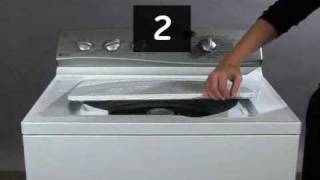
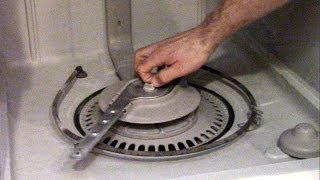
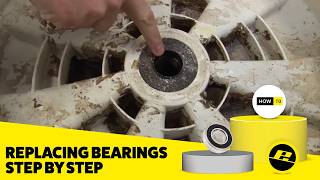
Related How-To Videos
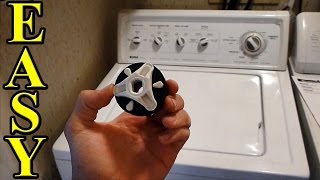
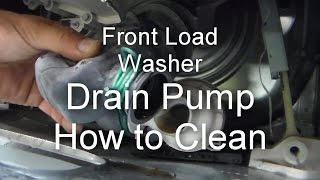
Real DIY Repair Stories
Be the first to share your repair story!
Share Your Repair Story
Your experience helps other homeowners fix their appliances. Tell us how it went!
Can't Fix It Yourself? Find a Local Technician
It's perfectly okay to call a professional. Some repairs require specialized tools, deep teardowns, or dealing with complex systems that are better left to the pros.

Find the Right Part for Your Appliance
Don't guess — search your exact appliance model number at ProsourceParts.com to find the correct OEM compatible replacement part. They offer fast free shipping, guaranteed fit, and thousands of parts in stock.
Your Free Parts Videos
Whether your dishwasher won't drain, your dryer stopped heating, or your fridge isn't cold, we've created simple repair guides for the most common appliance problems homeowners face. Each guide explains what's going wrong, the most likely causes, and which replacement parts fix the issue. When you're ready to order, we link directly to ProsourceParts.com where you can search by model number and get the right part shipped fast.