
Washer Makes Too Much Noise During Spin Cycle – What Part Fixes This?
Need the replacement part? Search your model number at for guaranteed fit and fast free shipping.
Understanding the Problem
If your washer gets excessively loud while spinning — rumbling, squealing, thumping or knocking — the machine is struggling to support or turn the drum smoothly. The spin cycle puts the greatest mechanical load on bearings, suspension components, rollers and the drive system; any worn part, foreign object, or imbalance will become much louder at high speed. Front-load and top-load machines have different suspension designs, but both show louder spin noise when worn supports or internal damage is present. Common troublemakers include worn tub bearings or seals (a grinding/rumbling that changes with drum speed), failed shock absorbers or suspension springs (heavy banging, rocking and vibration), drum rollers (top-load), drive belt/pulley or motor issues (squeal or chirp), and foreign objects stuck between the drum and tub or in the drain pump (localized rattling or clicking). Proper diagnosis focuses on isolating where the noise is coming from and checking for visible wear or debris before replacing parts.
Common Symptoms
Loud rumbling or grinding during spin, squealing or chirping, banging or thumping, excessive vibration or rocking, visible wobble of the drum, sometimes leaking oil/grease near the tub.
Common Causes
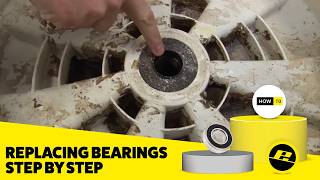
- Worn tub/drum bearings or failed inner seal allowing metal-on-metal contact
- Failed suspension components (shock absorbers, springs, drum rollers) causing the tub to bounce or hit the cabinet
- Foreign objects stuck between the drum and outer tub or in the drain pump, or worn drive components (belt/pulley/motor) causing squeal or slip
Popular Parts That Fix This Problem
These are the most common replacement parts that fix this problem. When you're ready to order, click below to find the right part at ProsourceParts.com — just search by your appliance model number for a guaranteed fit.

Helpful Repair Tip
Run a short spin with no laundry and listen closely—if the noise persists with an empty drum, manually rotate the drum and feel for rough spots/grinding. Also remove the pump and inspect for coins or debris; a grinding rumble + wobble usually points to bearings or failed drum support.
Frequently Asked Questions
Can I fix a noisy spin myself?
Yes in many cases if you have basic tools and follow safety steps. Start by unplugging the washer, removing the cabinet or rear panel, and manually rotating the drum to feel for rough bearings or wobble. Check for foreign objects in the tub gap and the drain pump. Replacing suspension shocks, rollers or belts is generally straightforward. Replacing tub bearings is more advanced (requires drum removal, specialized tools) and many DIYers opt for a professional if they’re not comfortable.
How much will it cost to repair a noisy washer during spin?
Cost varies with the failed part and labor. Simple fixes (removing debris, replacing pump, belt, or shocks) often cost $50–$200 in parts and DIY labor; professional service may add $100–$200. Bearing replacement or full tub repair is more expensive—parts plus labor can run $200–$600 depending on model and accessibility. Always compare repair cost to replacement price for older machines.
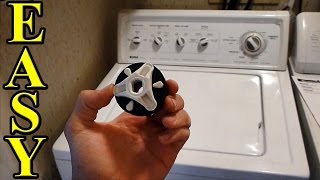
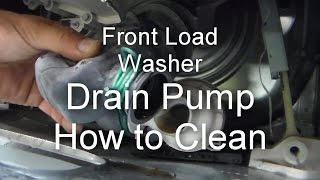
Related How-To Videos
Real DIY Repair Stories
Be the first to share your repair story!
Share Your Repair Story
Your experience helps other homeowners fix their appliances. Tell us how it went!
Can't Fix It Yourself? Find a Local Technician
It's perfectly okay to call a professional. Some repairs require specialized tools, deep teardowns, or dealing with complex systems that are better left to the pros.

Find the Right Part for Your Appliance
Don't guess — search your exact appliance model number at ProsourceParts.com to find the correct OEM compatible replacement part. They offer fast free shipping, guaranteed fit, and thousands of parts in stock.
Your Free Parts Videos
Whether your dishwasher won't drain, your dryer stopped heating, or your fridge isn't cold, we've created simple repair guides for the most common appliance problems homeowners face. Each guide explains what's going wrong, the most likely causes, and which replacement parts fix the issue. When you're ready to order, we link directly to ProsourceParts.com where you can search by model number and get the right part shipped fast.