
Washer Knocks and Jumps During Spin – What Causes It and How to Fix It
Need the replacement part? Search your model number at for guaranteed fit and fast free shipping.
Understanding the Problem
Brief explanation: When a washing machine knocks, bangs, or moves around during the spin cycle it’s usually due to poor load balance, worn suspension components, broken springs or mounts, loose counterweights, or a failing tub bearing/spider. Heavy vibration comes from the tub assembly moving excessively so the goal is to find what’s letting the tub move and repair/replace that component. Step-by-step diagnostic and repair steps: 1) Quick checks (1–5 minutes) a. Stop the cycle and open the door/lid. Redistribute the clothes (no large single-item loads like a single towel or rug). Run a short spin test. If the problem stops, it was an unbalanced load. b. Check that the washer is level: use a level and adjust the four leveling feet so the washer sits squarely on the floor and does not rock. Tighten the lock nuts on the feet. c. Make sure the floor is solid — thin plywood or a loose floor can amplify vibration. Move the washer to a firmer spot for testing if possible. 2) Observe and listen (5–10 minutes) a. Run a spin-only cycle with a typical load and listen. Knock/bang on the outer cabinet while it spins to see if the sound is transmitted from the tub or from the floor. b. Stop the washer, open the cabinet (unplug first) and visually inspect components — look for cracks, missing bolts, or loose counterweights. 3) Inspect suspension and mounts (15–30 minutes) a. Unplug the washer and turn off water. Remove the top or rear panel per your model’s access procedure. b. For top-load washers check the suspension rods or shock absorbers that connect the tub to the frame; for front-load washers check the dampers (shock absorbers) and torsion/suspension springs. c. Look for oil leakage, cracked rubber, broken springs, or excessive play. Grab the tub and rock it: more than 1–2 inches of vertical play or a lot of side-to-side movement indicates worn shocks/springs. d. Replace any shock absorbers/suspension rods or springs that are visibly damaged or that allow excessive tub motion. 4) Check counterweights and bolts (10–20 minutes) a. Most washers have concrete or cast counterweights bolted to the cabinet or tub. Check that all bolts are tight and the weight is not cracked. Tighten loose bolts or replace broken counterweights. 5) Check the tub bearing and spider (30–90 minutes, may require special tools) a. If you hear grinding, a metallic knock, or you feel a rough rotation when you spin the drum by hand, the tub bearings or the spider (the cast support that the drum bolts to) may be failing. b. To confirm, remove the outer tub/drum per service manual and inspect the bearing for play and corrosion. If bearings are noisy or the drum wobbles on the shaft, replace the bearing kit and/or spider. c. Replacing bearings often requires a bearing puller, seal driver, and sometimes heating the new bearing or using a press; consider a replacement tub/assembly or professional help if you don’t have these tools. 6) Check motor coupling, belt, drive components (15–30 minutes) a. In gear-driven or belt-drive machines, inspect drive belt, motor mounts, and motor coupling for wear or breakage. A broken coupling can allow misalignment that causes hitting noises. 7) Reassemble and test (10–20 minutes) a. After replacing worn parts, reassemble panels, make sure mounting bolts are torqued, level the washer again, and run a few test spins with different loads. Safety note: Always unplug the washer and turn off water before opening panels. Support the tub/agitator when removing suspension parts — some components are under tension (springs). If replacing bearings or spider, be aware this can be a heavy, labor-intensive job that may require special tools; if you’re not comfortable, hire a professional.
Common Symptoms
Loud knocking or banging during spin, washer walks or shifts position, heavy vibration, clothes left wet/unspun, audible grinding or metal-on-metal sounds.
Common Causes
- Unbalanced or single-item loads (e.g., single blanket or rug)
- Washer not level or feet loose
- Worn or broken shock absorbers / suspension rods
- Broken or weak suspension springs or mounts
- Loose or cracked counterweights
- Worn tub bearing or cracked drum spider
- Worn motor coupling or drive components
- Weak or damaged floor/installation surface
Popular Parts That Fix This Problem
These are the most common replacement parts that fix this problem. When you're ready to order, click below to find the right part at ProsourceParts.com — just search by your appliance model number for a guaranteed fit.
Helpful Repair Tip
To confirm the problem is suspension-related, lift the drum slightly (with power off) and shake it: excessive vertical or side play (+/- more than ~1 inch) usually means worn shocks/springs; smooth rotation with grinding points toward bearings/spider.
Frequently Asked Questions
Can I keep using the washer if it knocks but still completes cycles?
Short answer: No — not recommended. Occasional minor imbalance from loads is normal, but repeated knocking or jumping risks damaging suspension parts, cracking the tub spider, loosening counterweights or damaging the floor. Stop using it until you redistribute loads and verify the washer is level; if the noise persists, diagnose and repair soon.
How much will it cost to fix a washer that jumps during spin?
Cost depends on the failed part: leveling/floor fixes are free or low-cost; replacing shock absorbers or springs is relatively inexpensive ($20–$80 per part plus labor); counterweight or motor coupling repairs are moderate; replacing bearings/spider or the entire tub assembly is the most expensive and labor-intensive (parts + labor can run several hundred dollars). Labor/time varies — shocks/springs 1–2 hours; bearings/spider 3–5+ hours or more depending on model.
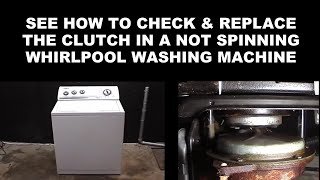
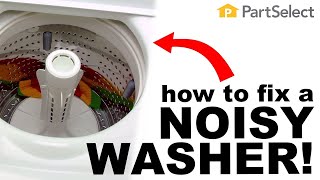
Related How-To Videos
Real DIY Repair Stories
Be the first to share your repair story!
Share Your Repair Story
Your experience helps other homeowners fix their appliances. Tell us how it went!
Can't Fix It Yourself? Find a Local Technician
It's perfectly okay to call a professional. Some repairs require specialized tools, deep teardowns, or dealing with complex systems that are better left to the pros.
Find the Right Part for Your Appliance
Don't guess — search your exact appliance model number at ProsourceParts.com to find the correct OEM compatible replacement part. They offer fast free shipping, guaranteed fit, and thousands of parts in stock.
Your Free Parts Videos
Whether your dishwasher won't drain, your dryer stopped heating, or your fridge isn't cold, we've created simple repair guides for the most common appliance problems homeowners face. Each guide explains what's going wrong, the most likely causes, and which replacement parts fix the issue. When you're ready to order, we link directly to ProsourceParts.com where you can search by model number and get the right part shipped fast.