
Washer Fills But Hums and Does Nothing — What Part Fixes This?
Need the replacement part? Search your model number at for guaranteed fit and fast free shipping.
Understanding the Problem
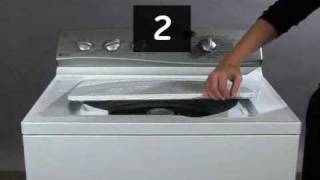
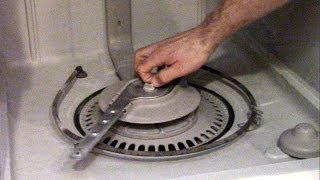
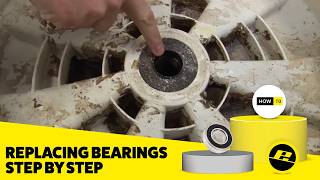
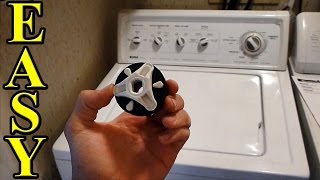
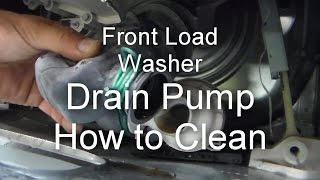
Brief explanation: When a washer fills with water, makes a little humming sound, but does not agitate or drain, the washer is trying to run but the mechanical drive or safety interlock isn't allowing the tub to move or the pump to evacuate water. Common culprits are a failed lid switch (top-load), a broken motor coupling or belt, a seized tub or pump, or a bad drain pump or drive motor. Step-by-step diagnostic and repair instructions: 1) Safety first - Unplug the washer and shut off the water supply before you start. Work on a dry floor and wear gloves. 2) Reproduce the symptom and listen - Plug the machine back in, select a spin/agitate or drain cycle, and watch/listen. If the motor hums but the tub doesn’t turn, that tells you the motor is getting power but isn’t turning the tub. 3) Check the lid/door switch (top-load or front-load door interlock) - Why: On many machines a failed lid switch prevents the washer from starting the motor. It can allow fill but block agitation/spin. - How to check: With the washer unplugged, access the lid switch (top panel or console). Use a multimeter to check continuity when the lid is closed (or gently depress the actuator). If there is no continuity when activated, replace the lid switch. - Quick live test (temporary): with power off, you can momentarily jumper the switch connections to see if the motor will attempt to run (only for testing — do not operate with the switch bypassed long-term). 4) Inspect the motor coupling or drive belt - Why: Many top-load washers use a small plastic motor coupling between motor and transmission. If it breaks the motor will spin (or hum) but the tub will not. Belt-drive machines will show a loose or broken belt. - How to check: Remove the bottom front access panel or tilt the washer and remove cabinet per model instructions. Inspect the coupling for broken plastic teeth or shredded rubber. Check the belt for cracks/slippage and proper tension. - How to fix: Replace the motor coupling (common part: 285753A on many Whirlpool-style models) or replace the belt. Reassemble and test. 5) Check the drain pump and hoses - Why: If the washer doesn't drain at the appropriate time and you hear humming from the pump area, the pump may be jammed or failed. - How to check: Unplug the washer, place towels and a shallow pan, remove the drain hose from the standpipe and check for clogs. Remove the pump access panel, manually spin the pump impeller to see if it's free. Check pump inlet/outlet and standpipe for obstructions. - Test the pump electrically: with the pump disconnected, use a multimeter to check for continuity. If it has continuity but hums and does not pump, the impeller or motor is mechanically jammed — replace the pump. - How to fix: Clean out foreign objects (coins, buttons, socks) and replace the pump if jammed or electrically failed. 6) Inspect the motor and start capacitor/centrifugal switch - Why: A seizing motor or bad capacitor will cause humming but no rotation. - How to check: With the washer unplugged, check motor for obvious damage, and with a multimeter measure winding resistance (compare to service specs). If the motor windings are open or shorted, replace the motor. Some motors use a start capacitor — if present, test/replace the capacitor. 7) Check the tub bearings and clutch (if applicable) - Why: If the tub is seized or drag is excessive (worn bearings, rusted seals, worn clutch), the motor may hum trying to turn the tub but cannot. - How to check: Try to rotate the tub by hand with the washer off. Significant resistance or grinding indicates bearing/clutch/tub problems. Repair usually involves replacing bearings/seals or the clutch/transmission. 8) Electronic controls and timer (last resort) - Why: If safety interlocks, motor, coupling, pump, and mechanicals test good, the control board or timer may not send power to the motor or pump. - How to check: Use the wiring diagram to verify voltage is being sent to the motor/pump during the cycle. If voltage is absent with the control commanding run, replace the control/timer module. Practical "how to fix" summary: - If lid switch is bad: replace lid switch assembly. - If motor coupling is broken: replace coupling (285753A on many models) — inexpensive and quick. - If belt worn or broken: replace belt per model. - If pump clogged/jammed: remove obstruction or replace pump. - If motor bad or bearings seized: replace motor or repair bearings/transmission as required. Safety note: Always unplug the washer and turn off water before opening panels. Avoid operating the washer with safety switches bypassed. If you are uncomfortable with electrical or mechanical repairs, contact a qualified appliance technician.
Common Symptoms
Washer fills with water, makes a low humming or buzzing noise when cycle should begin, tub does not agitate or spin, and washer may not drain. Sometimes intermittent or no response when controls are selected.
Common Causes
- Failed lid/door switch (safety interlock) preventing motor start
- Broken motor coupling or worn/ slipped drive belt causing no mechanical connection
- Clogged or failed drain pump (pump hums but doesn't pump)
- Seized tub bearings, worn clutch or transmission causing excessive drag
- Faulty drive motor, start capacitor, or control board failing to supply power
Popular Parts That Fix This Problem
These are the most common replacement parts that fix this problem. When you're ready to order, click below to find the right part at ProsourceParts.com — just search by your appliance model number for a guaranteed fit.

Helpful Repair Tip
Start by checking the lid switch and then the motor coupling — they’re the cheapest, quickest fixes. If the motor hums but the coupling is shredded or the tub won't turn by hand, the coupling or bearings are the likely culprit.
Frequently Asked Questions
Can I run the washer with the lid switch bypassed to get a load finished?
Temporarily jumping/bypassing the lid switch can be used as a diagnostic to see if the washer will run, but you should not operate the washer that way for regular use. Bypassing safety switches is a hazard (exposed moving parts) and may void warranties. Replace the failed lid switch as soon as possible.
How much will it cost to fix a washer that fills but won't agitate or drain?
Cost depends on the failed part: lid switch ($10–$40), motor coupling ($10–$30), drain pump ($40–$150), drive belt ($10–$30), or motor/transmission replacement ($200–$600+). Labor varies by region. Start with the inexpensive checks (lid switch and coupling) before moving to more costly repairs.
Related How-To Videos
Real DIY Repair Stories
Be the first to share your repair story!
Share Your Repair Story
Your experience helps other homeowners fix their appliances. Tell us how it went!
Can't Fix It Yourself? Find a Local Technician
It's perfectly okay to call a professional. Some repairs require specialized tools, deep teardowns, or dealing with complex systems that are better left to the pros.

Find the Right Part for Your Appliance
Don't guess — search your exact appliance model number at ProsourceParts.com to find the correct OEM compatible replacement part. They offer fast free shipping, guaranteed fit, and thousands of parts in stock.
Your Free Parts Videos
Whether your dishwasher won't drain, your dryer stopped heating, or your fridge isn't cold, we've created simple repair guides for the most common appliance problems homeowners face. Each guide explains what's going wrong, the most likely causes, and which replacement parts fix the issue. When you're ready to order, we link directly to ProsourceParts.com where you can search by model number and get the right part shipped fast.