
Washer Drive Belt Replacement – What Part Fixes a Slipping or Non-Spinning Washer?
Need the replacement part? Search your model number at for guaranteed fit and fast free shipping.
Understanding the Problem
Many top-load and some older front-load washers use a flexible drive belt to transfer power from the motor to the tub or transmission. Over time the belt can stretch, crack, glaze, or snap, causing the washer to stop agitating or spinning, to slip under load, or to make squealing noises. Replacing the belt is a common, relatively inexpensive repair that often restores normal operation. Before replacing the belt, confirm the belt is the root cause. Other issues (motor problems, worn pulleys, seized transmission, or electrical faults) can cause similar symptoms. With a quick visual inspection and a few simple checks you can be confident a belt replacement will fix the problem and avoid unnecessary parts or labor costs.
Common Symptoms
Washer won’t spin or agitate; loud squealing or chirping during spin; tub spins slowly or intermittently; belt visible as cracked, glazed, or broken when you inspect the rear of the washer.
Common Causes
- Normal wear and tear — belts stretch and crack over time.
- Oil, grease or water contamination causing belt slippage and rapid wear.
- Worn or misaligned pulleys/tensioner causing undue belt stress and premature failure.
Popular Parts That Fix This Problem
These are the most common replacement parts that fix this problem. When you're ready to order, click below to find the right part at ProsourceParts.com — just search by your appliance model number for a guaranteed fit.

Helpful Repair Tip
Unplug the washer and tilt it back (or remove the rear access panel) and rotate the motor pulley by hand. If the belt is cracked, glazed, loose, or moves independently from the pulley, replace it. Also check for oil/grease on the belt — that will ruin a new belt quickly and indicates a separate leak to fix.
Frequently Asked Questions
How long does it take to replace a washer drive belt?
For a typical top-load washer with a rear access panel, a belt replacement takes about 20–45 minutes for someone comfortable with basic tools. If the belt is hard to access, or if you need to remove the cabinet or replace an idler pulley/motor coupling, allow up to 60–90 minutes.
Can I run my washer without a drive belt or use a temporary fix?
No — a washer without a proper drive belt will not transfer power from the motor to the tub, so it won’t agitate or spin. Temporary fixes (rope, improvised straps) are unsafe and unreliable. Use a correct replacement belt sized for your model and address any contaminated or damaged pulleys to prevent repeat failure.
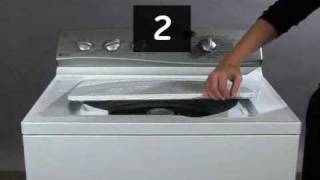
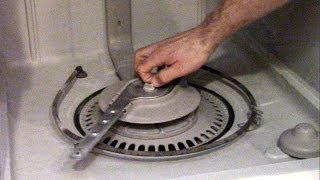
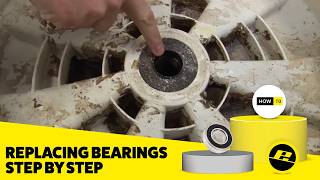
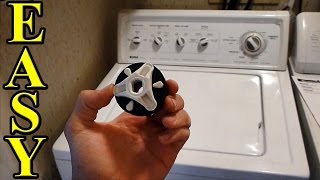
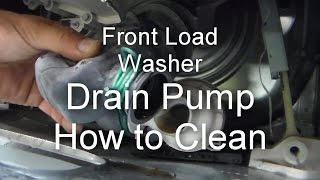
Related How-To Videos
Real DIY Repair Stories
Be the first to share your repair story!
Share Your Repair Story
Your experience helps other homeowners fix their appliances. Tell us how it went!
Can't Fix It Yourself? Find a Local Technician
It's perfectly okay to call a professional. Some repairs require specialized tools, deep teardowns, or dealing with complex systems that are better left to the pros.

Find the Right Part for Your Appliance
Don't guess — search your exact appliance model number at ProsourceParts.com to find the correct OEM compatible replacement part. They offer fast free shipping, guaranteed fit, and thousands of parts in stock.
Your Free Parts Videos
Whether your dishwasher won't drain, your dryer stopped heating, or your fridge isn't cold, we've created simple repair guides for the most common appliance problems homeowners face. Each guide explains what's going wrong, the most likely causes, and which replacement parts fix the issue. When you're ready to order, we link directly to ProsourceParts.com where you can search by model number and get the right part shipped fast.