
Washer Cycles But Won't Finish Spin — What Causes It and How to Fix It
Need the replacement part? Search your model number at for guaranteed fit and fast free shipping.
Understanding the Problem
Brief explanation: If your washer completes the wash/agitate but does not advance into the final high‑speed spin during a normal cycle — yet will spin when you run Rinse & Spin or a separate Spin cycle — the machine is able to spin, drain, and the motor can run. That pattern usually points to a sensing, control or sequence issue rather than a purely mechanical failure (although mechanical items can still be involved). Step-by-step diagnostic & repair instructions: 1) Read error codes / enter diagnostics - Many modern washers can show error codes or have a built‑in diagnostics mode. Run the diagnostic cycle and note any faults (door lock, pressure, motor, communication errors). Record codes before doing anything else. 2) Confirm behaviour and reproduce the fault - Run a NORMAL wash and observe where it stops (e.g., after rinse, stuck in soak, never ramps to high speed). Then run a separate Rinse & Spin or Drain & Spin and confirm high speed spin works. This confirms the motor and drive are capable of spinning. 3) Verify the unit is draining during the normal cycle - If the washer is not getting to spin because it thinks it's still full of water, check that the drain pump runs at end of wash and the tub empties. If it drains normally and you still don't get spin, proceed. 4) Inspect the lid/door switch or lock - Top load: a faulty lid switch can prevent spin, but because you can force a spin program it may still work intermittently. Check the lid switch for secure mounting and test for continuity with a multimeter when the lid is closed. - Front load: check the door lock/striker. A door lock that sometimes doesn't report 'locked' will prevent the normal sequence. 5) Check the water level/pressure switch and pressure hose - If the control thinks the tub is still full (pressure switch stuck or hose blocked), it may not advance to spin. Remove the small rubber hose from the pressure switch, blow gently to confirm it’s open, and listen/feel the switch clicking. Test the pressure switch for continuity as per your model’s service manual. 6) Inspect the drain pump and hoses for partial blockage - A pump that struggles can drain enough to allow a manual spin but be slow/erratic during the programmed sequence. Clean filter, check hoses, and test the pump under load. 7) Check the drive belt, motor coupling, clutch and gearcase - Even though spin works on manual programs, under the normal cycle the washer commands higher torque. Worn belt or slipping clutch can cause the control to abort spin in auto mode. Visually inspect belt and coupling for wear and replace if loose or cracked. 8) Test the motor/inverter/motor start capacitor (if present) - On machines with an inverter board, a failing motor control or a stuck tachometer signal can prevent the controller from allowing automatic high‑speed spin even though manual commands work differently. Use diagnostics to command a spin and watch for motor error codes. Measure motor windings and capacitor values with a multimeter (follow manufacturer specs). 9) Check the main control board / timer and wiring harness - A defective timer, control board, or a broken connector/wire in the spin circuit can cause the normal sequence to stall while manual spin bypasses certain logic. Inspect the control PCB for burned traces, bulging capacitors, or loose connectors. Wiggle wiring harnesses during a test to check for intermittent faults. 10) Replace the failing part and test - Replace only the part that testing points to (lid switch, pressure switch/hose, drain pump, belt, motor coupling, motor/inverter, or main control board). After replacement, run a full normal cycle with a small load to confirm the machine completes the spin. How to fix (practical repair steps for the most common items): - Lid/door switch (top load) replacement: 1. Unplug washer. 2. Remove control panel or cabinet to access switch per model. 3. Disconnect wiring harness, remove mounting screws and swap in new switch. 4. Reassemble and test. - Pressure switch and hose cleaning/replacement: 1. Unplug washer and locate the pressure switch (usually near the top). 2. Remove and inspect the small rubber hose from the tub to the switch for kinks, lint, or water. 3. Blow through the hose to ensure it’s clear. 4. Replace pressure switch if it doesn’t click or fails continuity tests. - Drain pump clean/replace: 1. Unplug washer, lower water level if necessary, and remove access panel. 2. Disconnect pump inlet/outlet hoses and electrical connector. 3. Clear debris or replace pump if noisy/weak. 4. Reconnect and test. - Drive belt or motor coupling replacement: 1. Unplug washer and access the belt/motor coupling (cabinet off or back panel removed). 2. Remove worn belt or coupling and install OEM replacement. 3. Reassemble and run test cycle. - Control board/timer or motor inverter replacement: 1. Unplug washer. 2. Take pictures of wiring and connectors. 3. Remove control board cover, disconnect connectors, remove mounting screws and replace with exact OEM part. 4. Reconnect everything and test. Safety note: Always unplug the washer and turn off the water supply before doing inspections or repairs. Some components (start capacitors, motor wiring) can hold charge — discharge and take appropriate precautions. If you’re unsure about live electrical tests or control board replacement, call a professional technician.
Common Symptoms
Washer finishes washing but stays in rinse/soak or won’t transition to final spin during a normal cycle; manual 'Rinse & Spin' or 'Drain & Spin' functions complete the spin fine; no error codes or occasional codes related to door, pressure, or motor.
Common Causes
- Faulty pressure switch or blocked pressure hose causing the control to think tub is still full
- Intermittent or failing lid/door switch or door lock that prevents normal sequence but allows manual spin
- Control board/timer or motor inverter failing to command spin in the auto sequence
- Wiring harness or connector fault in the spin/drain circuit
- Worn belt, clutch or gearcase that slips under normal sequence torque
Popular Parts That Fix This Problem
These are the most common replacement parts that fix this problem. When you're ready to order, click below to find the right part at ProsourceParts.com — just search by your appliance model number for a guaranteed fit.

Helpful Repair Tip
Run the washer’s built‑in diagnostic and watch whether the machine 'thinks' it has water at the point it should spin. If the tub is empty and the control still won’t advance to spin, focus on the pressure switch/pressure hose and control board rather than the motor or belt.
Frequently Asked Questions
Why does the washer spin when I choose Spin or Rinse & Spin but not during the normal cycle?
When a manual Spin or Rinse & Spin works, the motor, belt and pump are usually OK. The problem is typically in the sensing or sequencing: the control may think the tub is still full (pressure switch/hose issue), the lid/door switch may not always report closed/locked, or the control board/timer is not advancing the program to spin. Run diagnostics and test the pressure switch and door/lid switch first.
Can I fix this myself and how much will the repair cost?
Yes — if you can safely access parts and have basic tools, you can often fix it yourself. Simple fixes like clearing a pressure hose or replacing a lid switch or drain pump are straightforward. Costs vary: lid switch or pressure switch: $15–$60; drain pump: $30–$120; belts/couplings: $10–$60; control board or inverter: $100–$400. If the fix requires live electrical diagnosis or controller replacement and you’re not comfortable, hire a pro.
Related How-To Videos
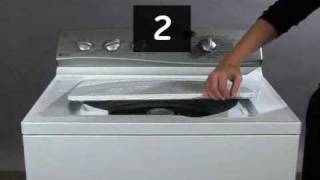
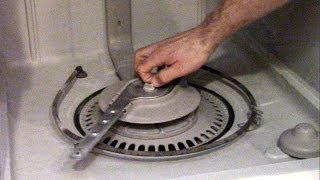
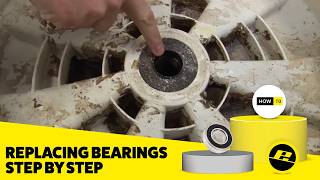
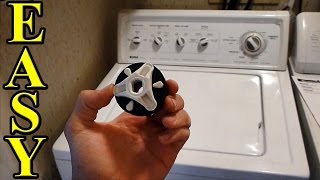
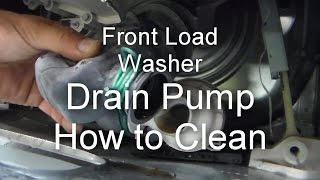
Real DIY Repair Stories
Be the first to share your repair story!
Share Your Repair Story
Your experience helps other homeowners fix their appliances. Tell us how it went!
Can't Fix It Yourself? Find a Local Technician
It's perfectly okay to call a professional. Some repairs require specialized tools, deep teardowns, or dealing with complex systems that are better left to the pros.

Find the Right Part for Your Appliance
Don't guess — search your exact appliance model number at ProsourceParts.com to find the correct OEM compatible replacement part. They offer fast free shipping, guaranteed fit, and thousands of parts in stock.
Your Free Parts Videos
Whether your dishwasher won't drain, your dryer stopped heating, or your fridge isn't cold, we've created simple repair guides for the most common appliance problems homeowners face. Each guide explains what's going wrong, the most likely causes, and which replacement parts fix the issue. When you're ready to order, we link directly to ProsourceParts.com where you can search by model number and get the right part shipped fast.