
Washer Bleach Dispenser Not Getting Water – What Causes It and Which Part Fixes It
Need the replacement part? Search your model number at for guaranteed fit and fast free shipping.
Understanding the Problem
When your washer's bleach dispenser doesn't get water, the machine may still run a wash cycle but the bleach never reaches the drum. This can leave clothes stained or under-sanitized. The issue can be purely mechanical (clog or kinked hose), electrical (faulty inlet valve or control), or simply user-setup (water supply turned off or wrong cycle selected). Identifying the root cause requires a few simple checks: confirm water supply, inspect the dispenser for blockages, and verify that the machine attempts to route water to the dispenser during the appropriate point in the cycle. Most washers route a small flow of water through the dispenser via the water inlet valve or a separate diverter when the washer reaches the bleach-dosing portion of the cycle. Problems fall into a few categories: no water available at the inlet, inlet valve or diverter not opening, or the dispenser assembly itself blocked. In some models the control board or timer signals the valve or diverter — if that signal is missing you will also see no flow. Systematic testing (visual, manual fill test, and simple electrical checks) will pinpoint whether you need a cleaning, a hose replacement, or a new part such as the inlet valve or dispenser assembly.
Common Symptoms
Bleach never dispenses into the drum; clothes smell of bleach residue in dispenser; dispenser cup stays dry during cycle; washer otherwise fills and agitate normally.
Common Causes
- Water supply to the washer is turned off or hose is kinked
- Clogged dispenser cup or internal dispenser passage (detergent buildup or hardened bleach residue)
- Faulty water inlet valve or solenoid that feeds the dispenser
- Defective diverter/valve inside the washer or a control/timer not signaling the dispenser
Popular Parts That Fix This Problem
These are the most common replacement parts that fix this problem. When you're ready to order, click below to find the right part at ProsourceParts.com — just search by your appliance model number for a guaranteed fit.

Helpful Repair Tip
Run a rinse-only or bleach-addiction cycle and watch the dispenser while the machine advances to the bleach step; if you get no flow, remove the dispenser and run a short fill to see if water is coming from the inlet—this isolates supply vs. dispenser blockage.
Frequently Asked Questions
Can I still add bleach manually if the dispenser isn't working?
You can manually add diluted bleach to the wash at the correct time (usually after the final rinse is about to start), but it requires care to avoid bleaching a concentrated spot on clothes. Only add small, diluted amounts directly into the drum when it contains enough water and clothes are evenly distributed. Using the dispenser is safer and more consistent, so repairing the dispenser is recommended.
How much does it cost to fix a bleach dispenser that won't get water?
Cost depends on the cause: a simple cleaning or replacing a small hose is inexpensive ($0–$30); replacing a water inlet valve commonly runs $50–$150 for parts plus labor; control board replacement is the most expensive and can be $150–$400+ including labor. DIY checks and part-replacement can cut labor costs, but always verify model-specific parts before ordering.
Related How-To Videos
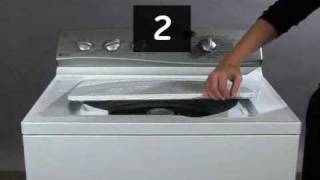
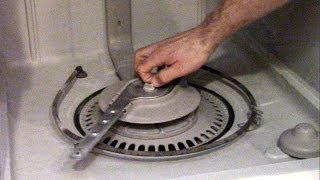
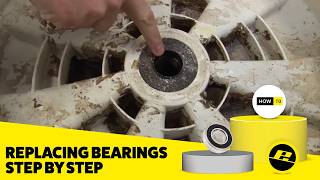
Real DIY Repair Stories
Be the first to share your repair story!
Share Your Repair Story
Your experience helps other homeowners fix their appliances. Tell us how it went!
Can't Fix It Yourself? Find a Local Technician
It's perfectly okay to call a professional. Some repairs require specialized tools, deep teardowns, or dealing with complex systems that are better left to the pros.

Find the Right Part for Your Appliance
Don't guess — search your exact appliance model number at ProsourceParts.com to find the correct OEM compatible replacement part. They offer fast free shipping, guaranteed fit, and thousands of parts in stock.
Your Free Parts Videos
Whether your dishwasher won't drain, your dryer stopped heating, or your fridge isn't cold, we've created simple repair guides for the most common appliance problems homeowners face. Each guide explains what's going wrong, the most likely causes, and which replacement parts fix the issue. When you're ready to order, we link directly to ProsourceParts.com where you can search by model number and get the right part shipped fast.