
Washing Machine Bearing Replacement – What Part Fixes This Problem?
Need the replacement part? Search your model number at for guaranteed fit and fast free shipping.
Understanding the Problem
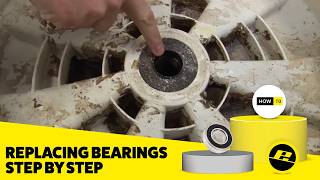
Washing machine drum bearings support the inner tub and allow it to spin smoothly. Over time bearings wear out from normal use, water intrusion, or heavy/imbalanced loads. When bearings fail the drum will wobble, make loud rumbling or grinding noises—especially during the spin cycle—and can eventually damage the tub seal, causing leaks and grease contamination of clothes. Replacing a worn bearing is often the only permanent fix; simply replacing seals or belts only masks symptoms until the bearing causes more damage. Because the bearing sits pressed into the tub or hub assembly, repair requires disassembly of the washer tub and either pressing in a new bearing or replacing a tub/hub assembly, depending on your model and access.
Common Symptoms
Loud rumbling or grinding during spin, excessive vibration or wobble, noticeable drum side-to-side play, oil/grease on clothes, and water leaking from the rear tub area.
Common Causes
- Normal wear from thousands of spin cycles
- Water entering bearing area due to failed tub seals
- Overloading or repeatedly washing heavy items (mattress pads, rugs)
- Corrosion or rust from high-humidity environments
Popular Parts That Fix This Problem
These are the most common replacement parts that fix this problem. When you're ready to order, click below to find the right part at ProsourceParts.com — just search by your appliance model number for a guaranteed fit.
Helpful Repair Tip
With the washer unplugged, remove the drive belt (or pulley) and spin the drum by hand. Excessive lateral play (more than a few millimetres) or a distinct grinding/rattling sound confirms bearing failure.
Frequently Asked Questions
How can I tell the difference between a bad bearing and a problem with the motor or pulley?
Remove power, take off the drive belt (or remove the pulley) and spin the drum by hand. If the noise/grinding comes from the drum and you feel roughness or lateral play at the drum shaft, the bearing is the culprit. If the drum spins smoothly but the motor or pulley makes noise when run, the drive components are likely at fault. Also, visible grease or oil around the rear tub suggests a bearing/seal failure.
Is replacing a washer bearing a DIY job or should I hire a technician?
Replacing a washer bearing is an intermediate-to-advanced repair that usually requires disassembling the tub and pressing bearings in/out with a bearing puller/press or appropriate sockets. If you have mechanical experience, the right tools, and follow a model-specific guide, you can do it yourself. If you lack tools or experience, or if the tub/hub is corroded or welded, hire a qualified appliance technician to avoid damaging the tub or creating a leak.
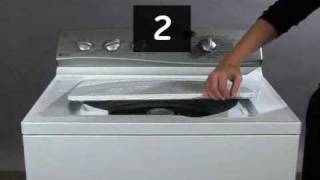
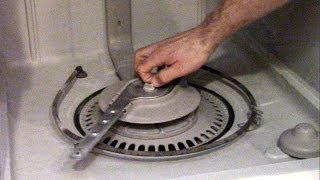
Related How-To Videos
Real DIY Repair Stories
Be the first to share your repair story!
Share Your Repair Story
Your experience helps other homeowners fix their appliances. Tell us how it went!
Can't Fix It Yourself? Find a Local Technician
It's perfectly okay to call a professional. Some repairs require specialized tools, deep teardowns, or dealing with complex systems that are better left to the pros.
Find the Right Part for Your Appliance
Don't guess — search your exact appliance model number at ProsourceParts.com to find the correct OEM compatible replacement part. They offer fast free shipping, guaranteed fit, and thousands of parts in stock.
Your Free Parts Videos
Whether your dishwasher won't drain, your dryer stopped heating, or your fridge isn't cold, we've created simple repair guides for the most common appliance problems homeowners face. Each guide explains what's going wrong, the most likely causes, and which replacement parts fix the issue. When you're ready to order, we link directly to ProsourceParts.com where you can search by model number and get the right part shipped fast.