
Washer Balance Issues – What Part Fixes This Problem?
Need the replacement part? Search your model number at for guaranteed fit and fast free shipping.
Understanding the Problem
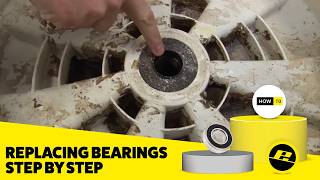
Brief explanation: A "balance issue" on a washing machine usually means the tub isn't staying centered during the spin cycle. That causes violent shaking, banging against the cabinet, the machine "walking," or spin cycles that won't finish. The most common causes are worn shock absorbers or dampers, damaged suspension springs or broken/broken counterweights, and improper leveling or uneven loads. Step-by-step diagnostic steps: 1) Reproduce the symptom safely: a) Run a drain-and-spin or small spin-only cycle with a moderately heavy load (towels are good). Observe behaviour during the high-speed spin. b) Note whether the washer rocks side-to-side, bangs, or shifts across the floor. 2) Quick user checks (30–60 seconds): a) Open the lid/door and evenly redistribute clothes; restart. If problem disappears, it was an uneven load. b) Check the four leveling feet — are they all touching the floor? Try rocking the unloaded machine by hand to feel play. 3) Basic visual & physical checks: a) Unplug the washer and pull it out so you can access panels. b) For front-load machines: remove the lower front access panel; for top-load, remove the cabinet or rear panel per model service instructions. c) Inspect shock absorbers/dampers at the tub (near bottom of the inner tub). Look for oil leaks, torn boots, or broken mounts. d) Press down on the tub at different points and release: excessive bounce (more than 1–2 rebounds) indicates bad shocks or springs. e) Inspect suspension springs (top-load) for stretched or broken coils and check that spring mounts and rods are intact. f) Check counterweights (concrete/plastic weights bolted to the tub) for loose or missing bolts. g) Spin the tub by hand looking for wobble or side-to-side play—large play can indicate worn bearings or broken spider arms. 4) Advanced checks: a) With the cabinet off, rotate the tub and listen for grinding (bearing failure) or slapping noises (detached balance ring or counterweight). b) Verify motor coupling, drive belt, and shock/strut connections are secure — a slipping drive won’t usually cause imbalance but can produce rough spin. Step-by-step repair instructions (general, model-specific steps may vary): 1) Tools and prep: socket set, pliers, putty knife, screwdriver set, replacement parts, towel. Unplug washer and turn off water (if removing cabinet on top-load you may need to disconnect hoses). 2) Fix simple issues first: a) Level the washer: adjust leveling feet so the cabinet is stable and all four feet sit flat. Tighten the lock nuts. b) Redistribute clothes and avoid overloading. Run a test spin. 3) Replace shock absorbers (most common repair for front-load and many high-efficiency top-load models): a) Unplug washer. Access shocks by removing lower front panel (front-load) or by removing cabinet (top-load per model). b) Support the tub with a block so it doesn’t fall when shocks are removed. c) Remove the retaining clips or bolts at both ends of the shock (some use plastic ball sockets, some use bolts). d) Install new shocks, secure clips/bolts, remove the block and reassemble. Test run. 4) Replace suspension springs (top-load conventional models): a) Remove the washer cabinet to access the springs supporting the drum. b) Detach springs from the tub/frame and replace with new springs; lubricate hooks if required. Reassemble and test. 5) Tighten or replace counterweights: a) Locate concrete/plastic counterweights bolted to the tub. b) Tighten loose bolts. If a weight is cracked or missing, replace it using the model-specific part. 6) Replace tub bearings or spider assembly (if you find excessive radial play or grinding): a) This is a heavier repair: you’ll typically remove the front panel, door gasket, and separate the outer tub to replace bearings/spider. If you're not comfortable, consider a technician. 7) Final test: a) Reassemble panels, plug the washer in, run an empty spin test. Gradually test with normal loads. Safety note: Always unplug the washer before opening panels. Support the tub when removing shocks or springs — the tub can drop and injure you. If any step requires cutting pipes, using specialty tools, or pressing out bearings, stop and get a service tech if you’re unsure.
Common Symptoms
Washer rocks or bangs during spin, machine "walks" across the floor, loud thumping or grinding noises on spin, clothes remain unevenly wet, or spin cycle stops with an "unbalanced" error.
Common Causes
- Worn or leaking shock absorbers/dampers (most common on front-load and many high-efficiency top-loads)
- Stretched, broken, or detached suspension springs or damaged spring mounts (common on top-loaders)
- Improper leveling or uneven loads (user/installation issue)
- Loose or broken counterweights, or worn tub bearings/spider causing excessive play
Popular Parts That Fix This Problem
These are the most common replacement parts that fix this problem. When you're ready to order, click below to find the right part at ProsourceParts.com — just search by your appliance model number for a guaranteed fit.
Helpful Repair Tip
To quickly confirm bad shocks: press down on the tub and release. If it bounces more than once or keeps oscillating, the shock absorbers or springs are likely worn and should be replaced.
Frequently Asked Questions
Can I fix a washer balance issue by just leveling it or redistributing the load?
Yes — if the issue is caused by an uneven load or improper leveling, simply redistributing clothes and adjusting the four leveling feet will often stop the shaking. However, if the tub still bounces after those fixes (or you see oil/leaks on shocks, broken springs, or loose counterweights), a component replacement is required.
How long do shock absorbers and suspension springs last?
It depends on use, but shocks and springs commonly start failing after 5–10 years in many household washers. Heavy use, consistently unbalanced loads, or overloading shortens their life. If you hear knocking on spin or feel excessive bounce, replace the shocks/springs rather than waiting.
Related How-To Videos
Real DIY Repair Stories
Be the first to share your repair story!
Share Your Repair Story
Your experience helps other homeowners fix their appliances. Tell us how it went!
Can't Fix It Yourself? Find a Local Technician
It's perfectly okay to call a professional. Some repairs require specialized tools, deep teardowns, or dealing with complex systems that are better left to the pros.
Find the Right Part for Your Appliance
Don't guess — search your exact appliance model number at ProsourceParts.com to find the correct OEM compatible replacement part. They offer fast free shipping, guaranteed fit, and thousands of parts in stock.
Your Free Parts Videos
Whether your dishwasher won't drain, your dryer stopped heating, or your fridge isn't cold, we've created simple repair guides for the most common appliance problems homeowners face. Each guide explains what's going wrong, the most likely causes, and which replacement parts fix the issue. When you're ready to order, we link directly to ProsourceParts.com where you can search by model number and get the right part shipped fast.