
W8TXEWFYB02 Washer — Identify the Model and Fix Common Problems
Need the replacement part? Search your model number at for guaranteed fit and fast free shipping.
Understanding the Problem
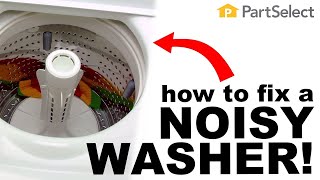
Short explanation: W8TXEWFYB02 looks like a model/serial identifier—before ordering parts or attempting repairs, confirm the appliance brand and exact model. Below are clear steps to identify the machine, diagnose common washer symptoms (won't start, won't drain/spin, leaks, noise), and practical repair instructions. Follow the numbered diagnostic steps and then the symptom-specific fixes. 1) Confirm the appliance identity and locate the model/serial plate - Where to look: behind the door seal (front-load), on the door frame or inside the lid (top-load), on the back of the machine, or on the left/right side panel. The plate will show brand, model, and serial. Photograph it. - Why: exact model determines replacement parts and service information. 2) Record useful info - Note brand, full model number (not just W8TXEWFYB02 if partial), and any error codes displayed. Write down what the machine was doing when the fault happened (e.g., stopped mid-cycle, noisy during spin, leaking from front right). 3) General pre-checks (before opening the machine) - Unplug the washer and shut off water. If gas or electric dryer is nearby, ensure power is isolated. - Check hoses for kinks and clamps. Ensure drain hose is properly positioned and not clogged. - Run a diagnostic or error-code read if the control panel supports it—write down any codes. 4) Basic electrical tests (requires a multimeter) - Verify outlet is live. Check for continuity at the power cord (with power disconnected). Check fuses or circuit breakers. - Test lid/door switch or lock for continuity when the lid is closed (see symptom-specific steps below). 5) Symptom-driven checks and repairs (short actionable steps): - Washer won't start or respond: Check user lock/delay start, confirm power to machine. Test door/lid switch: access switch (usually behind top panel or inside door frame), remove connector, test continuity with lid closed. Replace door/lid switch if no continuity. - Washer won't fill or fills slowly: Check water supply valves fully open, inspect inlet screens for debris, test water inlet valves for continuity and for 120VAC when filling is commanded. Replace inlet valve if defective. - Washer won't drain or spin: Remove access panel to inspect pump. Listen—does pump hum? Check pump and drain hose for blockages, foreign objects, or kinked hose. Test drain pump for continuity; replace pump if motor has no continuity or is seized. Also check lid/door lock and the motor coupler, belt, or clutch (top-load direct drive) depending on model. - Washer is noisy or vibrates excessively: Balance the load, check suspension/shock absorbers (top-load tubs have springs/shocks), inspect drum bearings (spin drum by hand—listen for roughness), and check for foreign objects between tub and drum. Replace worn shocks, bearings, or mounting hardware. - Washer leaks: Identify leak location (front door seal, inlet hose, drain hose, soap dispenser, tub seam). Tighten or replace damaged hoses, clamps, or door boot seal. If leak is from the tub seam, professional repair or tub replacement is usually required. 6) How to do a basic replacement (example: drain pump) - Tools: screwdriver set, socket set, pliers, towel, bucket, multimeter. - Steps: unplug washer and turn off water. Access pump (rear or front access panel). Place towel and bucket under pump to catch water. Disconnect pump electrical connector and drain hose clamps. Remove mounting screws and remove pump. Install new pump, reconnect hoses and connectors, run test drain cycle. 7) Confirm repair and run test cycles - After replacing parts, restore power and water, run a short load or diagnostic drain/spin to confirm the fault is resolved. Re-check for leaks and unusual noises. Safety note: Always disconnect power and water before opening the washer. If you're not comfortable testing live voltage or replacing major components (motor, control board, tub bearings), contact a qualified technician.
Common Symptoms
Unknown model identifier; common washer symptoms to check: won't start, won't fill, won't drain or spin, loud noise/vibration, and water leaks.
Common Causes
- Misidentified or partial model number—need full model/serial plate to order correct parts
- Common mechanical failures (drain pump, lid/door switch, drive belt/coupler, shock absorbers or bearings)
- Installation or plumbing issues (kinked drain hose, clogged inlet screens, bad water pressure) or control board failure
Popular Parts That Fix This Problem
These are the most common replacement parts that fix this problem. When you're ready to order, click below to find the right part at ProsourceParts.com — just search by your appliance model number for a guaranteed fit.
Helpful Repair Tip
If you see an error code or the control panel flashes, photograph the display and look up the code in the manufacturer's tech sheet—error codes often point directly to the faulty component (door lock, pressure switch, drain pump, etc.).
Frequently Asked Questions
How can I confirm whether W8TXEWFYB02 is the full model or just part of the serial?
Locate and photograph the appliance's model/serial plate (usually inside the door frame, under the lid, or on the back panel). The full model number is required to match replacement parts. If what you have is partial, provide the brand and the full text from the plate for accurate identification.
I have a specific symptom (won't drain/spin). Should I order a pump or a belt first?
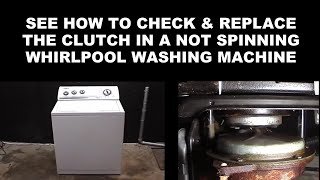
Start by diagnosing: run a drain cycle and listen—if the pump hums but water doesn't drain, check for blockages in the pump or drain hose. If the pump doesn't run and there's power at the pump during drain, replace the pump. If tub doesn't spin but pump runs, check lid/door lock and clutch/motor coupling or belt depending on model. Diagnose before ordering to avoid unnecessary parts.
Related How-To Videos
Real DIY Repair Stories
Be the first to share your repair story!
Share Your Repair Story
Your experience helps other homeowners fix their appliances. Tell us how it went!
Can't Fix It Yourself? Find a Local Technician
It's perfectly okay to call a professional. Some repairs require specialized tools, deep teardowns, or dealing with complex systems that are better left to the pros.
Find the Right Part for Your Appliance
Don't guess — search your exact appliance model number at ProsourceParts.com to find the correct OEM compatible replacement part. They offer fast free shipping, guaranteed fit, and thousands of parts in stock.
Your Free Parts Videos
Whether your dishwasher won't drain, your dryer stopped heating, or your fridge isn't cold, we've created simple repair guides for the most common appliance problems homeowners face. Each guide explains what's going wrong, the most likely causes, and which replacement parts fix the issue. When you're ready to order, we link directly to ProsourceParts.com where you can search by model number and get the right part shipped fast.