
Top-Load Washer Safety Latch Fails — What Part Fixes This Problem?
Need the replacement part? Search your model number at for guaranteed fit and fast free shipping.
Understanding the Problem
The safety latch (also called the lid lock or lid switch on top-load washers) prevents the washer from operating when the lid is open. If the latch or interlock fails the machine will often refuse to start, won't agitate or spin, or may display a lid-locked or lid-open error code. On some models the latch is an electrical interlock; on older mechanical machines it's a physical switch that the lid presses to allow operation. Failures are usually caused by worn or broken plastic latch components, a failed electrical switch/solenoid, damaged wiring or misalignment from a dropped lid or bent strike. Replacing the latch assembly or lid switch is a common and relatively straightforward repair that restores the safety interlock and allows the washer to complete cycles normally.
Common Symptoms
Washer won't start, will not agitate or spin, stops mid-cycle when lid is closed, lid-lock or lid-open error codes, rattling or clicking from the lid area, or visible broken/cracked latch pieces.
Common Causes
- Worn or broken plastic latch or striker — physical damage prevents engagement
- Failed lid switch or lid-lock solenoid — electrical interlock no longer signals the control
- Damaged wiring or connector to the latch assembly, or misaligned lid/strike
Popular Parts That Fix This Problem
These are the most common replacement parts that fix this problem. When you're ready to order, click below to find the right part at ProsourceParts.com — just search by your appliance model number for a guaranteed fit.

Helpful Repair Tip
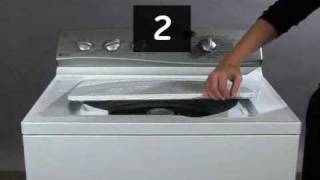
To confirm the latch is bad: open the lid and manually press the latch/actuator while trying to start a cycle. If the washer starts with the latch manually depressed, the latch assembly (or its switch) is the likely fault — verify further with a continuity check using a multimeter.
Frequently Asked Questions
How do I test whether the lid latch or lid switch is the problem?
First, run a simple functional test: with the lid open, press/hold the latch actuator or depress the lid switch and try to start a cycle. If the washer starts, the latch/switch is likely the issue. For an electrical test, disconnect power, remove the latch assembly and use a multimeter to check for continuity when the latch is actuated (or a specified resistance per the service manual). Also inspect wiring and connectors for burns, corrosion or broken pins.
Can I bypass the safety latch to get the washer to run?
You should not bypass the safety latch as a permanent fix — the interlock exists to prevent injury. Temporarily holding the latch closed to finish a short load or to drain water might be possible in an emergency, but it's unsafe and not recommended. Instead, replace the failed latch, switch or damaged wiring with the correct part for your model.
Related How-To Videos
Real DIY Repair Stories
Be the first to share your repair story!
Share Your Repair Story
Your experience helps other homeowners fix their appliances. Tell us how it went!
Can't Fix It Yourself? Find a Local Technician
It's perfectly okay to call a professional. Some repairs require specialized tools, deep teardowns, or dealing with complex systems that are better left to the pros.

Find the Right Part for Your Appliance
Don't guess — search your exact appliance model number at ProsourceParts.com to find the correct OEM compatible replacement part. They offer fast free shipping, guaranteed fit, and thousands of parts in stock.
Your Free Parts Videos
Whether your dishwasher won't drain, your dryer stopped heating, or your fridge isn't cold, we've created simple repair guides for the most common appliance problems homeowners face. Each guide explains what's going wrong, the most likely causes, and which replacement parts fix the issue. When you're ready to order, we link directly to ProsourceParts.com where you can search by model number and get the right part shipped fast.