
TFX22PRXDAA Refrigerator — Common Problems & Step-by-Step Repair Guide
Need the replacement part? Search your model number at for guaranteed fit and fast free shipping.
Understanding the Problem
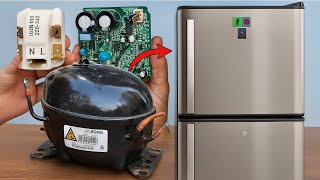
This guide covers the most common problems owners see on TFX22PRXDAA-style refrigerators (not cooling, freezer too cold, noisy fans, water leaks, ice maker or dispenser failures) and gives step-by-step diagnostics and repairs you can do at home. Follow these ordered checks first — they find the problem quickly and avoid unnecessary part replacements. 1) Initial checks (do these before any disassembly) a. Confirm the unit has power: lights, control panel, and fans run when doors are closed and plugged in. b. Check temperature settings: refrigerator 36–40°F (2–4°C), freezer around 0°F (-18°C). c. Make sure vents inside the fridge/freezer aren’t blocked by food. d. Unplug the refrigerator before doing electrical tests or removing panels. 2) Problem: Refrigerator not cooling but freezer is cold - Likely causes (check in order): blocked air damper/evaporator airflow, faulty evaporator fan, clogged evaporator coils or heavy frost (defrost failure), failed thermistor/temperature sensor. - Diagnostic/repair steps: 1. Open freezer and listen for the evaporator fan when the compressor is running. If no sound, access the evaporator fan (remove rear freezer panel) and check for obstruction or ice. Defrost if frozen. 2. With power unplugged, inspect the evaporator fan motor for free spin and damaged blades. Use a multimeter to check continuity. Replace fan motor if it doesn’t spin freely or has no continuity. 3. Check the air damper/control (internal vent) between freezer and fridge. Make sure it opens when cooling calls. Manually move it to verify operation. Replace the damper actuator if broken. 4. If evaporator has heavy frost, test defrost system: check defrost heater continuity, defrost thermostat/bi-metal, and defrost control/timer or board. Replace the failed defrost part(s). 5. If airflow and defrost are OK, test the thermistor(s): measure resistance at room temp and compare to spec (consult part diagram/manual; many fridge thermistors are in the 2k–10kΩ range at 25°C). Replace sensors that are out of spec. 3) Problem: Refrigerator and freezer both not cooling (compressor not running) - Likely causes: start relay/overload failure, faulty start capacitor, failed compressor, control board failure, or power issue. - Diagnostic/repair steps: 1. Verify compressor electrical connection and feel for vibration/heat. If compressor is hot and not running but clicking, check start relay and overload on the side of the compressor (remove relay and shake gently—if it rattles or smells burned, replace). 2. Test relay with a multimeter (some relays have simple continuity tests) or temporarily swap with a known-good relay (short test only; do not run long without load). Replace bad relays and capacitors. 3. If start relay and capacitor are OK but compressor still won’t start, listen for humming or attempt to measure current draw (requires clamp meter) — high current indicates a seized compressor: this usually needs a sealed system specialist or compressor replacement (expensive). 4. Inspect control board and user interface: verify it’s sending 120V to compressor when compressor should run. If board doesn’t command compressor, replace board. 4) Problem: Freezer too cold / fridge too warm (temperature imbalance) - Likely causes: faulty thermostat/thermistor, stuck damper, control board or sensor calibration issues. - Diagnostic/repair steps: 1. Verify temperature settings and move to recommended set points. Allow 24 hours to stabilize. 2. Check and test thermistors for out-of-range resistance values and replace as needed. 3. Inspect the damper and actuator for correct operation; replace if it stays open. 4. If using electronic control, perform a factory reset if available or replace control board if it intermittently misbehaves. 5) Problem: Noisy fridge (fan noise, buzzing, rattling) - Likely causes: failing evaporator fan motor, failing condenser fan motor, worn compressor mount, loose panels, or items touching the fan blades. - Diagnostic/repair steps: 1. Isolate noise source: put your ear near condenser (back, bottom) vs. inside freezer to locate noise. 2. If noise from freezer area, remove back freezer panel and inspect evaporator fan motor. Replace noisy/bearing-failed fans. 3. If noise from rear/bottom, unplug and inspect condenser fan motor and fan blade for debris or damage; replace if bearings are noisy. 4. Tighten loose panels, screws, or compressor mounting brackets. 6) Problem: Water dispenser or ice maker issues / leaks - Likely causes: clogged/iced water fill tube, faulty water inlet valve, cracked/loose water line, clogged filter, or faulty ice maker assembly. - Diagnostic/repair steps: 1. If dispenser not dispensing, check water supply shutoff and filter. Remove filter and try dispensing (bypassing filter) to rule out clogged filter. 2. Inspect inlet valve at the rear bottom — when dispenser or ice maker calls for water it should click and let water through. If valve does not open or has no continuity, replace inlet valve. 3. For leaks, check water line connections at rear and inside (door) for cracks; replace damaged tubing and tighten fittings. 4. If ice maker doesn’t fill, test the fill valve solenoid and ice maker module for continuity and proper voltages when a fill is commanded. Replace the failed component. 7) Frost accumulation in freezer - Likely causes: failed defrost system (heater, thermostat, control), damaged door gasket, or frequent door openings. - Diagnostic/repair steps: 1. Inspect door gasket for gaps or cracks — perform dollar-bill test around the perimeter to find leaks; replace gasket if it doesn’t seal. 2. Check defrost heater continuity and defrost thermostat; if either is open, replace. 3. If both defrost heater and thermostat test good, the defrost control (board/timer) may be faulty. Safety note: Always unplug the refrigerator before accessing electrical components, use insulated tools, and test live circuits only if you are experienced and using proper safety equipment. If you suspect a sealed-system issue (compressor, refrigerant leak), or the compressor needs replacement, call a licensed HVAC/refrigeration technician — those repairs require special tools and refrigerant handling certifications. Practical how-to fix examples (short): - Replace evaporator fan motor: unplug fridge, remove freezer back panel, disconnect fan wiring connector, remove screws, swap motor, reassemble. - Replace start relay: unplug fridge, remove access cover to compressor, disconnect relay and overload module, install new relay, reattach cover, plug in and test. - Replace water inlet valve: turn off water supply, unplug fridge, access rear lower panel, disconnect water line and wiring harness, remove mounting screws, install new valve, reconnect lines and wiring, restore water and check for leaks. - Replace defrost heater: unplug, remove freezer evaporator cover, disconnect and remove old heater (note routing/clips), install new heater, reassemble and test defrost cycle.
Common Symptoms
Not cooling (fridge warm, freezer cold or both warm), excessive frost buildup, noisy operation, water dispenser/ice maker failure, water leaks under the fridge.
Common Causes
- Restricted airflow or blocked vents (evaporator fan or ice buildup)
- Failed fans, start relay, or capacitors preventing compressor operation
- Defrost system failure (heater, thermostat, control) causing frost buildup and airflow restriction
Popular Parts That Fix This Problem
These are the most common replacement parts that fix this problem. When you're ready to order, click below to find the right part at ProsourceParts.com — just search by your appliance model number for a guaranteed fit.

Helpful Repair Tip
To confirm an evaporator fan or condenser fan is faulty, unplug the refrigerator, access the fan, and try spinning the blade by hand — a seized or rough-feeling bearing means replace the fan. For compressor start relay, remove the relay and smell it; a burnt smell or rattling indicates failure.
Frequently Asked Questions
My TFX22PRXDAA refrigerator runs constantly — is that normal?
Not usually. Constant running often indicates dirty condenser coils, poor airflow, an open door gasket, warm ambient temperature, or a failing thermostat/thermistor. Start by cleaning the condenser coils, checking door seals, and ensuring vents are clear. If those are OK, test the thermistor and fans — replace any failed parts.
The freezer is icy and the refrigerator side is warm. Do I need a new compressor?
Not necessarily. That symptom commonly points to a defrost system failure (leading to frost on the evaporator and blocked airflow) or a broken evaporator fan. Inspect the evaporator for heavy frost and test defrost heater, thermostat, and fan. Only if the compressor will not run and start components are known good should you suspect compressor failure; sealed-system repairs require a licensed tech.
Related How-To Videos
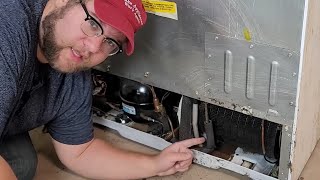
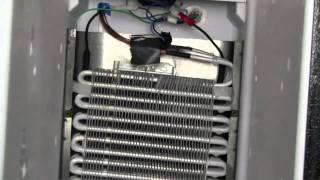
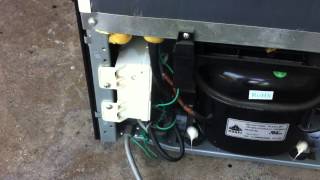

Real DIY Repair Stories
Be the first to share your repair story!
Share Your Repair Story
Your experience helps other homeowners fix their appliances. Tell us how it went!
Can't Fix It Yourself? Find a Local Technician
It's perfectly okay to call a professional. Some repairs require specialized tools, deep teardowns, or dealing with complex systems that are better left to the pros.

Find the Right Part for Your Appliance
Don't guess — search your exact appliance model number at ProsourceParts.com to find the correct OEM compatible replacement part. They offer fast free shipping, guaranteed fit, and thousands of parts in stock.
Your Free Parts Videos
Whether your dishwasher won't drain, your dryer stopped heating, or your fridge isn't cold, we've created simple repair guides for the most common appliance problems homeowners face. Each guide explains what's going wrong, the most likely causes, and which replacement parts fix the issue. When you're ready to order, we link directly to ProsourceParts.com where you can search by model number and get the right part shipped fast.