
Side-by-Side Refrigerator Not Cooling – What Part Fixes This Problem?
Need the replacement part? Search your model number at for guaranteed fit and fast free shipping.
Understanding the Problem
A side-by-side refrigerator that is not cooling is one of the most common and frustrating appliance failures. The problem can show up as the fridge compartment being too warm while the freezer is OK, the entire unit running but not reaching proper temperatures, excessive frost build-up in the freezer, or loud continuous humming from the back. Because side-by-side refrigerators share a cooling system (evaporator, fans, and ducts) between freezer and fresh-food compartments, airflow or sealed-system faults frequently affect one side before the other. Diagnosing the issue requires checking airflow and fans first, then the defrost system and finally the sealed refrigeration components (start device, compressor, refrigerant). Many non-cooling complaints are caused by blocked air pathways or a failed evaporator fan or defrost system that allows the evaporator to ice over. More serious causes are start-relay/compressor failures or refrigerant leaks, which usually need a trained technician and specialty tools to repair.
Common Symptoms
Warm fresh-food compartment, freezer colder than fridge, frost or ice buildup on the freezer back panel, long run times or constant running, loud humming or clicking at the back, or completely no cooling.
Common Causes
- Evaporator coil iced over or blocked airflow due to failed defrost system or blocked vents
- Failed evaporator or condenser fan (loss of circulation) or blocked condenser coils
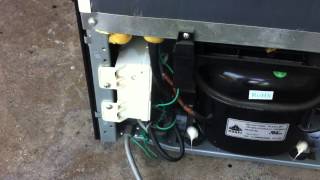
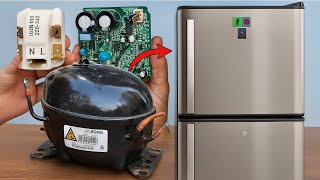
- Sealed system failure — bad start relay/compressor or refrigerant leak
Popular Parts That Fix This Problem
These are the most common replacement parts that fix this problem. When you're ready to order, click below to find the right part at ProsourceParts.com — just search by your appliance model number for a guaranteed fit.
Helpful Repair Tip
Listen for the evaporator fan inside the freezer with the door open and the compressor running; if the fan isn't spinning (but compressor is running), the evaporator fan motor or its wiring is often the culprit. Use an appliance thermometer in both compartments to confirm actual temperatures before ordering parts.
Frequently Asked Questions
Why is the freezer cold but the refrigerator section is warm?
On side-by-side models the freezer houses the evaporator and circulating fan that delivers cold air to the refrigerator side through ducts. If the evaporator fan fails, a damper is stuck, or the ducts are blocked or iced over (often from defrost failure), the freezer can still be cold while the refrigerator stays warm. Start by checking for airflow from the freezer into the fridge, feel for cold air at the duct openings, and confirm whether the evaporator fan runs when the compressor is on.
Can I replace the parts myself or do I need a technician?
You can replace some components yourself if you are comfortable with basic appliance repair and have the right tools—evaporator/condenser fans, defrost heater, thermostat or thermistor, and start relays are commonly DIY-replaceable. Always unplug the fridge before working on it and confirm the correct part for your model. Sealed-system repairs (compressor, refrigerant leaks) require specialized tools and EPA certification and should be handled by a licensed technician.
Related How-To Videos
Real DIY Repair Stories
Be the first to share your repair story!
Share Your Repair Story
Your experience helps other homeowners fix their appliances. Tell us how it went!
Can't Fix It Yourself? Find a Local Technician
It's perfectly okay to call a professional. Some repairs require specialized tools, deep teardowns, or dealing with complex systems that are better left to the pros.

Find the Right Part for Your Appliance
Don't guess — search your exact appliance model number at ProsourceParts.com to find the correct OEM compatible replacement part. They offer fast free shipping, guaranteed fit, and thousands of parts in stock.
Your Free Parts Videos
Whether your dishwasher won't drain, your dryer stopped heating, or your fridge isn't cold, we've created simple repair guides for the most common appliance problems homeowners face. Each guide explains what's going wrong, the most likely causes, and which replacement parts fix the issue. When you're ready to order, we link directly to ProsourceParts.com where you can search by model number and get the right part shipped fast.