
Samsung WF45T6000AP/US Washer – Troubleshooting & Parts That Fix Common Problems
Need the replacement part? Search your model number at for guaranteed fit and fast free shipping.
Understanding the Problem
Brief overview: The Samsung WF45T6000AP/US is a front‑load washer known for good efficiency but, like all front-load machines, commonly shows problems such as: failure to start, not filling, not draining/spinning, loud noise/vibration, door latch errors, and occasional leaks. The best approach is systematic diagnosis: read error codes, check the simple serviceable items first (fuses, inlet screens, hoses, drain pump), then move to electrical components (door latch, pressure switch, control board, motor assembly). Step-by-step diagnostic & repair instructions: 1) Gather tools and safety prep: - Tools: multimeter, screwdriver set, nut drivers, channel-lock pliers, bucket, towels, slip-joint pliers, cordless drill (optional). - Unplug the washer and shut off water supply before any repair. For electrical tests you may need to plug in briefly — only when required for live tests and with caution. 2) Read and record error codes: - Enter diagnostic mode (see FAQ) or note the displayed code (LE, dE, 4C/1E, 5C, UE, etc.). Error codes point to a subsystem (water inlet, door, drain, imbalance). 3) No power / won't start: - Check house breaker and outlet. Confirm outlet has 120VAC with a non-contact tester or multimeter. - Inspect the power cord and terminal block for burn marks or loose wires. - Test the door latch/lock: if the washer thinks the door is open it won’t start. With the washer unplugged, inspect latch for physical damage. With a multimeter check for continuity across the latch switch when the door is closed. - Replace the door lock assembly if defective (common part). See replacement steps below. 4) Won’t fill or filling slowly (4C / 1E): - Verify both hot/cold supply valves are fully open and hoses aren’t kinked. - Remove inlet hoses and clean screens on the water inlet valve. Scale or debris commonly restricts flow. - Test the inlet valve solenoids for continuity. Replace the inlet valve if a solenoid is open or if valve leaks. 5) Won’t drain or won’t spin / drain pump checks: - Check drain hose for clogs or incorrect installation (hose should be elevated and not pushed into standpipe). - Inspect pump filter (if equipped) and trap for foreign objects (coins, socks, small toys). Remove standing water with a bucket first. - Run a drain-only cycle and listen: if the pump runs but no water exits, the pump is clogged or the impeller is broken. If the pump is silent and no drain, check pump for 120VAC during a drain command. If voltage present but pump doesn’t run, replace pump. 6) Loud noise, vibration, excessive movement: - Check leveling legs — washer must be level front to back and side to side. - Examine the suspension (shock absorbers or dampers) and rear drum bearings. For front-load washers, failed shock absorbers or bearing/gasket failures cause loud knocks and rough spin. - Spin the drum by hand (door open). Listen for rubbing or grinding. Scraping or metal-on-metal noise usually points to drum bearing failure — requires major repair (inner tub/seal or bearing replacement). 7) Leaks: - Inspect door boot (bellows) for tears and the door glass seal for silicone failure. Check the boot clamp and replace the boot if torn. - Check inlet hose connections and drain hose for cracks. - Inspect pump housing and sump for cracks; replace pump or sump if cracked. 8) Error codes for imbalance (UE / ub): - Remove a few items from a heavy load, redistribute clothes and run spin again. - If imbalance persists on small loads, check suspension and shock absorbers for wear and replace as needed. 9) Electronic/control problems: - For random resets, locked controls, or erratic behavior, inspect main control board connections. If connectors are corroded or wiring is damaged, repair harnesses first. - If the control board is visibly burned or capacitors are swollen, replace the control board. Confirm that sensors (door lock, motor tach) send expected signals before replacing the board. 10) Recommended replacement steps (general): - Drain and unplug the washer. Turn off water supply. - Remove top panel or back panel to access the part (models vary). Keep track of screws and take a photo before disconnecting wiring. - Label and photograph wiring and connectors; unplug connectors gently by releasing tabs. - Replace part, reconnect, reassemble, restore water/power, and run a test cycle. Safety note: Always disconnect power and water before servicing. If live electrical testing is required, use insulated tools and only perform tests if you are comfortable and experienced. For major tub/bearing work you may need special tools and two people to handle the drum; consider professional help if unsure.
Common Symptoms
Won't start or respond, won’t fill, won’t drain or spin, loud noises or scraping, excessive vibration, water leaks, and error codes (4C/1E, dE, LE, UE).
Common Causes
- Clogged drain pump or trapped foreign object
- Failed door latch/lock or faulty door seal
- Faulty water inlet valve or blocked inlet screens
- Worn suspension/shock absorbers or drum bearings
- Faulty control board or wiring harness
Popular Parts That Fix This Problem
These are the most common replacement parts that fix this problem. When you're ready to order, click below to find the right part at ProsourceParts.com — just search by your appliance model number for a guaranteed fit.

Helpful Repair Tip
Put the washer into Samsung diagnostic mode and run a drain/pump test. If the pump gets voltage but doesn't run, the pump is bad; if the pump runs but won’t move water, check for clogs or a damaged impeller.
Frequently Asked Questions
How do I enter diagnostic mode on the Samsung WF45T6000AP/US?
With the washer powered off, press and hold the Spin and Soil buttons simultaneously, then press Power. The display should enter diagnostic/service mode. Use the selector knob and Start/Pause to step through individual tests. (Exact button names can vary; if this sequence doesn't work, consult the service manual for your serial number.)
Can I replace the drain pump or door lock myself?
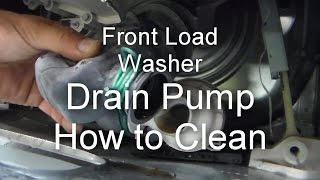
Yes — these are common DIY repairs. Always unplug the washer and shut off water. Remove the appropriate access panel, label and photograph wiring, disconnect connectors, remove mounting screws, swap the old part for the new, then reassemble. If you encounter rusted fasteners, damaged wiring, or are uncomfortable with live electrical tests, consider a professional technician.
Related How-To Videos
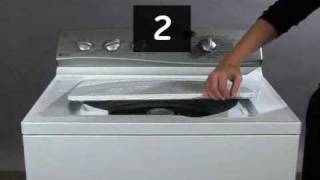
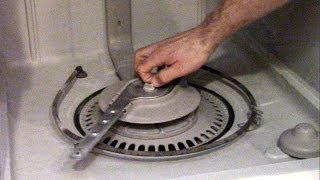
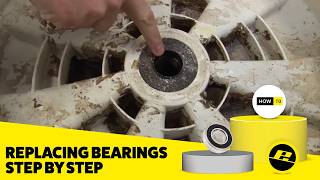
Real DIY Repair Stories
Be the first to share your repair story!
Share Your Repair Story
Your experience helps other homeowners fix their appliances. Tell us how it went!
Can't Fix It Yourself? Find a Local Technician
It's perfectly okay to call a professional. Some repairs require specialized tools, deep teardowns, or dealing with complex systems that are better left to the pros.

Find the Right Part for Your Appliance
Don't guess — search your exact appliance model number at ProsourceParts.com to find the correct OEM compatible replacement part. They offer fast free shipping, guaranteed fit, and thousands of parts in stock.
Your Free Parts Videos
Whether your dishwasher won't drain, your dryer stopped heating, or your fridge isn't cold, we've created simple repair guides for the most common appliance problems homeowners face. Each guide explains what's going wrong, the most likely causes, and which replacement parts fix the issue. When you're ready to order, we link directly to ProsourceParts.com where you can search by model number and get the right part shipped fast.