
Samsung WF45T6000APUS Washer Troubleshooting & Repair Guide
Need the replacement part? Search your model number at for guaranteed fit and fast free shipping.
Understanding the Problem
Overview: The Samsung WF45T6000APUS is a front-load, direct-drive washer. Common issues are not draining, not spinning, loud noise/vibration, leaks, and error codes (UE, DC, 4C/5C). Below are practical diagnostics and repair steps for each common symptom. 1) Washer won’t drain or shows DC (drain) error 1. Unplug the washer and turn off the water supply. Safety first. 2. Check the drain hose for kinks or a clog — disconnect and run water through it. Remove any lint or obstruction. 3. Remove the lower access panel. Locate the drain pump and inspect for foreign objects (coins, socks, debris) in the pump inlet or trap. Remove debris. 4. Test the drain pump electrically: disconnect pump connector and measure continuity across pump terminals with a multimeter. Typical pump resistance is a few ohms to a few hundred ohms. If open or wildly out of range, replace pump. 5. If the pump hums but doesn’t spin, it’s usually failed or jammed — replace pump. 6. Reassemble and run a drain/spin or diagnostic drain cycle to confirm. 2) Washer won’t spin / UNEVEN LOAD (UE) or vibrates heavily 1. Confirm the load is balanced — redistribute wet clothes and reduce load size. 2. Check that shipping bolts were removed during installation. Shipping bolts cause heavy vibration. 3. Inspect suspension components: shock absorbers/dampers and suspension springs. With the machine off, press down on the tub — a smooth return indicates OK; excessive drop or loose parts indicate bad shocks/springs. 4. For direct-drive models, check the motor and rotor assembly for rubbing or damage. Listen for scraping during spin. 5. If shocks, springs, or tub bearings are worn (noise when spinning and oil/metal smell), replace the faulty components. Tub bearing failure usually requires tub separation and bearing/race replacement or full tub replacement. 3) Loud noise (grinding, knocking, squealing) 1. Remove the front lower access panel and spin the drum by hand. Feel for rough spots or grinding — this points to tub bearing or drum damage. 2. Check the drain pump for lodged foreign objects — many grinding noises come from a stone or coin in the pump. 3. Inspect motor mounting and clutch (if present) and pulley area for rubbing debris. 4. Replace the pump for pump-sourced noise. Replace bearings or entire tub assembly for bearing noise. 4) Washer leaks 1. Identify leak location: front door, detergent drawer, bottom, or hoses. Run a short cycle and watch carefully. 2. For front door leaks: inspect the door gasket (boot) for tears, trapped debris, or worn bead. Clean the gasket and replace if torn. 3. For detergent drawer leaks: remove and clean the drawer and inlet area; check inlet hoses for cracks. 4. For bottom leaks: check drain pump housing and hose clamps. Tighten clamps or replace cracked hoses/pump housing. 5) Washer won’t start or shows electrical errors 1. Unplug and check household circuit and outlet. Test with a known-good device. 2. If the washer has power but won’t start, try a hard reset: unplug for 1 minute, then plug back in. 3. Check the door latch/lock assembly — if the washer thinks the door is open it won’t start. Inspect the latch for broken plastic or test with a multimeter for continuity when engaged. 4. Faulty control board or wiring problems: visually inspect harness connections for burn marks or disconnected wires. Replace control board if diagnostics indicate. 6) Error codes (common) and quick meaning - UE: Unbalanced load — redistribute laundry and run spin again. - DC: Drain error — check drain hose and pump for blockages. - 4C/5C: Water supply errors — check inlet hoses and valves for kinked lines, low pressure, or clogged screens. General repair steps (how to fix) 1. Identify symptom and isolate: run a diagnostic cycle when possible to capture error codes. 2. Power down and disconnect the washer from mains and water. Work in a dry, well-lit area. 3. Use basic tools: screwdriver set, nut drivers, multimeter, pliers, and a container to catch water. 4. Access the relevant component via the lower front panel or by removing the top/back as needed. 5. Replace only the failed component, then reassemble and test with a quick wash or diagnostic cycle. Safety note: Always disconnect power and water before servicing. Wear gloves and eye protection. If you’re unsure about working with electrical components, hire a qualified appliance technician.
Common Symptoms
Won’t drain (DC), won’t spin (UE), loud grinding or knocking, leaks from door or bottom, water fill errors (4C/5C), washer won’t start.
Common Causes
- Clogged or kinked drain hose or foreign object in drain pump
- Failed drain pump motor or impeller
- Worn suspension/shock absorbers, tub bearings, or unbalanced load
- Torn door boot gasket or cracked hoses/clamps
- Faulty door latch, water inlet valve, or main control board
Popular Parts That Fix This Problem
These are the most common replacement parts that fix this problem. When you're ready to order, click below to find the right part at ProsourceParts.com — just search by your appliance model number for a guaranteed fit.

Helpful Repair Tip
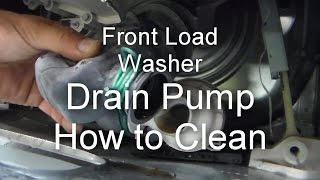
To confirm a bad drain pump: run a drain/spin cycle while listening at the lower front. If the pump doesn't make any noise and has no continuity on a multimeter, replace the pump. If it hums but no water moves, it's likely jammed or the impeller is broken.
Frequently Asked Questions
How do I reset my Samsung WF45T6000APUS washer?
To reset: turn the washer off, unplug it from the power outlet for 60 seconds, then plug it back in and turn it on. If the model has a Reset or Pause button, you can try holding Pause/Start for 5–10 seconds. If issues persist, check error codes and follow the relevant diagnostics.
My washer is making a loud rattling noise during spin. What should I check first?
First check for foreign objects: remove the drain pump access and inspect the pump trap for coins, nails, or small items. Next, spin the drum by hand and listen for roughness (bearing issue). Also confirm the load is balanced and shipping bolts were removed. Replace the pump for trapped-object noise; replace bearings or tub assembly for grinding from the drum.
Related How-To Videos
Real DIY Repair Stories
Be the first to share your repair story!
Share Your Repair Story
Your experience helps other homeowners fix their appliances. Tell us how it went!
Can't Fix It Yourself? Find a Local Technician
It's perfectly okay to call a professional. Some repairs require specialized tools, deep teardowns, or dealing with complex systems that are better left to the pros.

Find the Right Part for Your Appliance
Don't guess — search your exact appliance model number at ProsourceParts.com to find the correct OEM compatible replacement part. They offer fast free shipping, guaranteed fit, and thousands of parts in stock.
Your Free Parts Videos
Whether your dishwasher won't drain, your dryer stopped heating, or your fridge isn't cold, we've created simple repair guides for the most common appliance problems homeowners face. Each guide explains what's going wrong, the most likely causes, and which replacement parts fix the issue. When you're ready to order, we link directly to ProsourceParts.com where you can search by model number and get the right part shipped fast.