
Samsung WF45T6000AP/US Washer – Common Problems and How to Fix Them
Need the replacement part? Search your model number at for guaranteed fit and fast free shipping.
Understanding the Problem
Brief overview: The Samsung WF45T6000AP (front‑load washer) is generally reliable but owners commonly see these failures: won't drain, won't spin, leaks around the door, loud rattling or thumping, and service/error codes. Below are targeted diagnostic steps and practical repairs you can perform at home. Always verify your exact model/serial before ordering parts. General diagnostic checklist (do these first): 1. Power & codes: Note any error codes on the display. Turn the washer off and back on and write down codes exactly — they point to the faulty system (water inlet, drain, door, motor, etc.). 2. Run a single cycle test: Select "Drain & Spin" or a short cycle to reproduce the issue and to listen/observe what happens. Pay attention to when the machine stops and any noises. 3. Visual inspection: Look for visible leaks, kinked hoses, foreign objects in the drum, and check the detergent drawer for blockages. 4. Check external plumbing: Confirm the house hot/cold valves are fully open and the standpipe/drain is clear. How to fix specific common problems (step‑by‑step): A. Washer won’t drain / water stays in drum 1) Check the drain filter/trap (front lower access): place towels to catch water, open access cover, slowly unscrew filter — water may spill. Remove lint/objects. If the filter is clogged, clean and test. 2) Inspect/clear drain hose: make sure it isn’t kinked, crushed, or blocked. Disconnect at the wall and run water through it. 3) Test the drain pump: With washer unplugged, access pump (lower front or rear depending on model). Disconnect electrical connector and use a multimeter to check for continuity (should not be infinite). If pump motor is humming but not pumping, it’s usually bad. 4) Replace the drain pump if clogged/failed (steps below under parts). After replacement, reassemble and run a drain test. B. Washer won’t spin / clothes very wet after cycle 1) Check load balance and redistribute clothes — heavy items can cause uneven loads and cause the washer to stop spinning. 2) Inspect the door latch/lock: if the machine doesn’t sense the door is locked it won’t spin. Run a cycle and listen for the door lock clicking on at the start. If you don’t hear it, check the lock for continuity. 3) Check error codes (UE, dC, etc.) — UE = unbalanced; dC = door; 4C/5C/8E refer to water and motor problems. 4) If the motor runs but drum won’t spin, check belt/drive system (if belt driven) or motor control board for faults. C. Leaks (around door or bottom of washer) 1) Inspect door boot/gasket: look for tears, holes, or detergent/foreign object trapped between boot and glass. Replace boot if torn. 2) Check hose clamps on drain and inlet hoses. Tighten or replace clamps where necessary. 3) Inspect detergent drawer and dispenser hoses for blockages or cracked plastic. 4) If leak is from pump area, check pump housing or seals — replace pump assembly if cracked. D. Loud noise / pounding / vibration 1) Remove foreign objects: check drum interior and filter; coins, buttons, and small items can get trapped between drum and tub. 2) Check suspension/shock absorbers: worn shocks let the drum bang during spin — replace set of shocks. 3) Level machine: adjust feet so washer is stable on floor. E. Common error codes & quick actions 1) 4C / 4E / IE (water inlet error): Check water supply valves and inlet screens for debris. Replace inlet valve if defective. 2) 5C / dC (drain error / door error): Check drain hose, filter and pump. For dC, check door latch and wiring. 3) UE (unbalanced): Reduce/redistribute load, run spin cycle. If repeating, check suspension shocks and tub bearings. Basic repair instructions (examples): - Replacing the drain pump: unplug washer, turn off water, remove lower access panel, place towel, disconnect pump electrical connector and hoses (note location/clips), remove mounting screws, install new pump, reconnect hoses and wires, restore power and test. - Replacing the door lock: unplug, open door, remove outer door trim if needed, remove latch screws, unplug connector, install new lock, reassemble and test. - Replacing shock absorbers: unplug, tip cabinet back (or remove front/top panels per manual), support tub, unbolt old shocks from tub and base, fit new shocks, reassemble and level machine. Safety note: Always unplug the washer and shut off water supply before opening panels. Take pictures of wiring/hose routing before removing parts so reassembly is correct. Use proper tools and eye protection. If you’re not comfortable with mains wiring or heavy components, hire a qualified technician.
Common Symptoms
Won’t drain or spin; water left in drum; leaks at door or bottom; loud banging during spin; error codes displayed (IE/4C, 5C/dC, UE).
Common Causes
- Clogged drain filter or hose (debris, coins, lint)
- Failed drain pump motor or cracked pump housing
- Faulty door lock/latch or door gasket boot leak
- Worn suspension/shock absorbers or unlevel machine
- Blocked inlet screens or defective water inlet valve
Popular Parts That Fix This Problem
These are the most common replacement parts that fix this problem. When you're ready to order, click below to find the right part at ProsourceParts.com — just search by your appliance model number for a guaranteed fit.

Helpful Repair Tip
Run the "Drain & Spin" test and listen at the lower front of the washer: a humming but non‑pumping sound or lack of pump noise usually indicates a failed drain pump. Check for continuity on the pump motor — no continuity = replace pump.
Frequently Asked Questions
How do I read or clear error codes on my Samsung WF45T6000AP washer?
Write down the exact code displayed. Common codes: IE (water inlet), 5C or LC (drain), UE (unbalanced), dC (door). To clear codes: power off, wait 1 minute, then power back on — many transient errors clear. For persistent codes, address the underlying cause (clear filter, check hoses, replace pump/inlet valve). The exact service diagnostic mode differs by model; consult your model’s service manual or contact Samsung support for the service mode entry sequence.
Can I replace the drain pump or door boot myself, and how long will it take?
Yes — both are common DIY repairs. Estimated time: drain pump replacement 30–60 minutes if you have basic tools; door boot replacement 60–120 minutes depending on whether the front panel needs removal. Always unplug the washer, turn off water, and take photos of wiring and hose routing before disassembly. If you’re unsure about handling heavy panels or electrical connectors, hire a technician.
Related How-To Videos
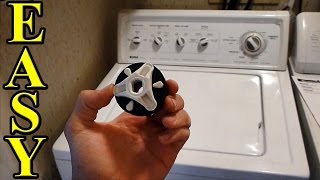
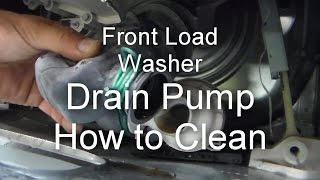
Real DIY Repair Stories
Be the first to share your repair story!
Share Your Repair Story
Your experience helps other homeowners fix their appliances. Tell us how it went!
Can't Fix It Yourself? Find a Local Technician
It's perfectly okay to call a professional. Some repairs require specialized tools, deep teardowns, or dealing with complex systems that are better left to the pros.

Find the Right Part for Your Appliance
Don't guess — search your exact appliance model number at ProsourceParts.com to find the correct OEM compatible replacement part. They offer fast free shipping, guaranteed fit, and thousands of parts in stock.
Your Free Parts Videos
Whether your dishwasher won't drain, your dryer stopped heating, or your fridge isn't cold, we've created simple repair guides for the most common appliance problems homeowners face. Each guide explains what's going wrong, the most likely causes, and which replacement parts fix the issue. When you're ready to order, we link directly to ProsourceParts.com where you can search by model number and get the right part shipped fast.