
Samsung WF45T6000AP — Common Problems, What Parts Fail, and Step-by-Step Fixes
Need the replacement part? Search your model number at for guaranteed fit and fast free shipping.
Understanding the Problem
Brief overview: The Samsung WF45T6000AP is a front-load washer that commonly encounters a handful of repeatable issues: not draining, not spinning/unbalanced, door lock failures that prevent cycle start, and various error codes. Most issues are caused by clogged drains/filters, failing drain or drive components, or electronic/door latch faults. Step-by-step diagnostics and repairs (start with easiest checks first): 1) Washer won't drain or shows 5C (drain) or related error: - Check the drain pump filter: locate and open the access panel at the bottom front, place towels and a shallow pan under it, slowly open the filter cap and drain remaining water. Remove debris, coins, lint. Reinstall and test. - Inspect the drain hose: disconnect the hose from the washer (have towels ready) and check for clogs/kinks. Run a short drain-only cycle with the hose elevated into a bucket to confirm pump flow. - Test the drain pump electrically: unplug the washer, remove the back or front panel to access the pump. Use a multimeter to check continuity across the pump terminals (typical small resistance indicates motor coil is intact). If the pump hums but doesn't pump, the impeller may be stalled or the motor failing — replace pump. - Replace drain pump if faulty: remove clamp(s) holding hoses, unbolt pump, swap with OEM pump (see parts list), reconnect hoses and wiring, test. 2) Washer won't start, door locked/unlocked errors, or door won’t latch: - Verify lid/door is fully closed and the gasket is seated. Inspect the door strike and latch for damage or foreign objects. - Run a diagnostic or attempt a cycle and listen for the door lock solenoid. If no click, test the door lock assembly for continuity with a multimeter and test for voltage at the connector during a start attempt (requires caution). - Replace the door lock assembly if it fails continuity or does not receive proper control signals. 3) Washer not spinning, clothes too wet, or UE (unbalanced) errors: - First: redistribute the load and run a spin-only cycle. Overloading or single heavy items cause UE errors. - Check drive components: belt (if applicable), motor coupling, and motor. Remove the rear panel to inspect belt condition (worn, glazed, broken). On direct-drive designs check the coupling and rotor for damage. - Inspect suspension/dampers/struts: if the tub rocks excessively, the shock absorbers or suspension rods may be worn — replace worn dampers or springs. - If motor isn’t spinning and belt/coupling are good, test motor and main control board outputs. 4) Excessive vibration or loud noise: - Level the washer: use a bubble level and adjust feet until solid and even on the floor. - Check drum bearings: listen for rumbling when rotating the drum by hand. If rough or grinding, bearings and rear tub seal may need replacement (major repair). - Inspect foreign objects: run an empty spin and listen/feel for items trapped between drum and tub. 5) Error codes & self-diagnostics: - Run the washer’s diagnostic mode to capture stored error codes. (See FAQ for how to enter diag mode.) Use codes to target parts — e.g., 5C = drain issue, UE = unbalanced, dc = door control. How to fix (general how-to steps): - Always unplug the washer and shut off water supply before working on it. - Remove access panels as needed (bottom front for pump/filter; back panel for belt/motor; front for door lock and seal). - Keep photo or notes of wire connections before disconnecting—reconnect exactly as found. - Replace only the failed component, then run a test cycle to confirm the repair. Safety note: Always disconnect power and water before disassembling. If you must test live circuits (to check voltage at a connector), only do so if you are experienced and use insulated tools. When in doubt, call a professional.
Common Symptoms
Washer won't drain, error 5C, won't start or door won't lock, excessive vibration during spin, loud grinding or humming noises, clothes remaining very wet after spin.
Common Causes
- Clogged drain pump filter or drain hose restricting flow
- Failed drain pump motor, door lock assembly, or motor/belt components
- Worn suspension/dampers or drum bearings causing unbalance or noise
Popular Parts That Fix This Problem
These are the most common replacement parts that fix this problem. When you're ready to order, click below to find the right part at ProsourceParts.com — just search by your appliance model number for a guaranteed fit.
Helpful Repair Tip
To confirm a bad drain pump quickly: remove the drain hose and run a drain-only cycle; if water does not flow out and you hear the pump humming or nothing at all, the pump is often the culprit. Also check the filter first — it's the most common, easiest fix.
Frequently Asked Questions
How do I run the diagnostic mode on my Samsung WF45T6000AP?
You can read stored error codes by entering the washer’s service diagnostic mode. On many Samsung front-load washers: rotate the cycle selector to 'Normal', then press and hold two buttons (often 'Rinse' and 'Soil' or 'Temp' and 'Spin' depending on the model) for 3–5 seconds until the display enters diagnostic. The machine will run through tests and show error codes. Because button combos differ between manufacturing years, check the tech sheet (usually behind the control console) or the service manual for exact button sequence for WF45T6000AP.
Is it worth repairing a WF45T6000AP or should I replace the washer?
Decide based on the fault and repair cost: inexpensive parts like a drain pump, door lock, inlet valve, or shock absorbers are usually worth replacing (parts typically a few tens to a couple hundred dollars). Major repairs — like tub bearing replacement or replacing the main control board — can be costly due to labor; compare part+labor to the price of a replacement. Also consider the machine’s age, service history, and if multiple components are failing. Always get a parts quote and labor estimate before deciding.
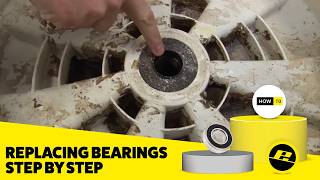
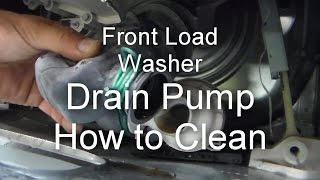
Related How-To Videos
Real DIY Repair Stories
Be the first to share your repair story!
Share Your Repair Story
Your experience helps other homeowners fix their appliances. Tell us how it went!
Can't Fix It Yourself? Find a Local Technician
It's perfectly okay to call a professional. Some repairs require specialized tools, deep teardowns, or dealing with complex systems that are better left to the pros.

Find the Right Part for Your Appliance
Don't guess — search your exact appliance model number at ProsourceParts.com to find the correct OEM compatible replacement part. They offer fast free shipping, guaranteed fit, and thousands of parts in stock.
Your Free Parts Videos
Whether your dishwasher won't drain, your dryer stopped heating, or your fridge isn't cold, we've created simple repair guides for the most common appliance problems homeowners face. Each guide explains what's going wrong, the most likely causes, and which replacement parts fix the issue. When you're ready to order, we link directly to ProsourceParts.com where you can search by model number and get the right part shipped fast.