
Samsung WF45R6100AW/US Washer – Common Problems & How to Fix Them
Need the replacement part? Search your model number at for guaranteed fit and fast free shipping.
Understanding the Problem
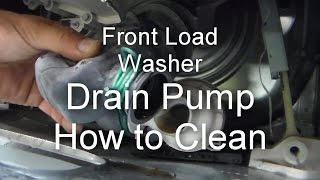
This guide covers the most common faults owners see with the Samsung WF45R6100AW/US front‑load washer: won't drain, won't spin, door won't lock, excessive vibration/noise, and water leaks. Below are clear diagnostic checks and practical repair steps for each symptom so you can find the failed part and fix it. 1) Washer won't drain or leaves water in tub 1. Unplug the washer and turn off the water. Pull the washer forward so you can access the bottom front service panel. 2. Drain residual water: open the small access cover at the front, put a shallow pan under the drain access, and slowly open the drain knock‑out cap or hose to remove standing water. 3. Remove and inspect the drain pump filter for lint, coins, or debris. Clean thoroughly. 4. Check the drain hose for kinks or clogs. Disconnect and run water through it to confirm flow. 5. Run a Drain/Spin cycle with the drain hose disconnected (have a tub ready) to see if the pump moves water. If you hear a humming/pulsing without water movement or nothing at all, the drain pump is suspect. 6. Test the pump electrically: with the washer unplugged, disconnect the pump harness and test the pump motor for continuity with a multimeter. Open circuit or wildly fluctuating readings indicate a bad pump. 7. Replace the drain pump if clogged internally or electrically failed (see replacement steps below). 2) Washer won't spin or leaves clothes very wet 1. Confirm the washer is completing the drain step. If not, fix drain first (see above). 2. Check for error codes on the display and run a diagnostics mode if available (consult the manual for entering test mode). Note any fault codes. 3. Inspect the door lock/latch; if the door doesn't lock the washer will not start the spin. Replace a visibly damaged or non‑locking latch. 4. Check load balance and reduce load size. Overloading or a single heavy item will prevent spin. 5. If you hear the motor running but drum not spinning normally, the direct drive motor or motor coupling/inverter may be failing — look for error codes related to F3/F4 or motor issues and consider motor/inverter replacement. 3) Door won't lock / door locked light stays on 1. Unplug the washer. Inspect the door strike and lock assembly for broken plastic, bent strike, or melted connectors. 2. With the machine powered and in a diagnostics mode, test the lock: you should hear a click when it attempts to lock. No click often means a failed lock assembly. 3. Replace the door lock assembly if it fails the audible/continuity tests. 4) Excessive vibration or banging during spin 1. Check that the washer is level and sitting firmly on all four feet. Adjust feet until the cabinet is stable. 2. Inspect the shock absorbers/dampers and suspension springs (front and rear) for wear or damage. Replace any worn dampers — front‑load washers typically need all dampers replaced as a set if one has failed. 3. Check for foreign objects between drum and tub (coins, small metal objects) which can cause noise and scoring. 5) Water leaks from front or bottom 1. Inspect the door seal (boot) for tears, holes, or trapped objects. Clean the seal and check for damage. 2. Check hose clamps on inlet hoses, the drain hose, and any internal hose connections (to pump, tub, dispenser). Tighten or replace clamps as needed. 3. If leak appears from bottom near pump, replace the drain pump or gasket. Basic drain pump replacement (typical steps) 1. Unplug the washer and turn off water. Tip washer backward carefully if needed so you can access the pump from the bottom/front. 2. Remove the lower front service panel (usually a few screws or clips). Place towels and a shallow pan to catch water. 3. Disconnect the pump electrical connector and the drain hose(s). Remove mounting screws/clips and pull the pump out. 4. Install the new pump: mount into position, connect hoses with new clamps if old are corroded, plug in electrical connector, reinstall panel. 5. Run a short rinse/drain cycle to confirm the leak is gone and pump operates normally. Door lock replacement (typical steps) 1. Unplug washer. Open door and remove the front panel or access the door lock from the front (panel removal steps vary by model). 2. Remove the door strike/lock assembly screws, disconnect harness, and swap in the new assembly. 3. Reassemble and test by running a short cycle to confirm the door locks and unlocks correctly. Final safety note: Always unplug the washer and turn off water before opening panels or disconnecting electrical connectors. If you are uncomfortable with electrical diagnostics, motor or control board work, or lifting the washer, contact a qualified appliance technician.
Common Symptoms
Won't drain, drain pump humming, washer won't spin, door won't lock, loud banging during spin, water leaks from front or bottom.
Common Causes
- Clogged pump filter or drain hose
- Failed drain pump motor or pump impeller jam
- Faulty door lock/latch assembly
- Worn shock absorbers or suspension causing vibration
- Motor/inverter or main control board faults
Popular Parts That Fix This Problem
These are the most common replacement parts that fix this problem. When you're ready to order, click below to find the right part at ProsourceParts.com — just search by your appliance model number for a guaranteed fit.

Helpful Repair Tip
If the washer hums during drain but no water moves, the drain pump is probably stuck or the impeller is jammed — remove the pump filter and inspect the pump inlet/impeller for foreign objects before ordering a replacement.
Frequently Asked Questions
How do I clear an error code or reset my Samsung WF45R6100AW/US?
Simple reset: unplug the washer or switch off the circuit breaker for 60 seconds, then restore power. That clears transient error codes. For persistent faults, note the displayed error code and consult the service manual or this guide — many codes indicate a specific failed component (e.g., door lock, drain pump, motor).
Can I replace the drain pump or door lock myself?
Yes — both are common DIY repairs if you are comfortable unplugging the washer, tipping or moving it to access the service panel, and using basic hand tools. Always disconnect power and water first, capture residual water before disconnecting hoses, and confirm part compatibility. If the problem involves the motor/inverter or the main control board, consider a professional repair unless you have experience with appliance electrical diagnostics.
Related How-To Videos
Real DIY Repair Stories
Be the first to share your repair story!
Share Your Repair Story
Your experience helps other homeowners fix their appliances. Tell us how it went!
Can't Fix It Yourself? Find a Local Technician
It's perfectly okay to call a professional. Some repairs require specialized tools, deep teardowns, or dealing with complex systems that are better left to the pros.

Find the Right Part for Your Appliance
Don't guess — search your exact appliance model number at ProsourceParts.com to find the correct OEM compatible replacement part. They offer fast free shipping, guaranteed fit, and thousands of parts in stock.
Your Free Parts Videos
Whether your dishwasher won't drain, your dryer stopped heating, or your fridge isn't cold, we've created simple repair guides for the most common appliance problems homeowners face. Each guide explains what's going wrong, the most likely causes, and which replacement parts fix the issue. When you're ready to order, we link directly to ProsourceParts.com where you can search by model number and get the right part shipped fast.