
Samsung WF45B6300AW Common Problems and Repairs – What Parts Fix These Issues?
Need the replacement part? Search your model number at for guaranteed fit and fast free shipping.
Understanding the Problem
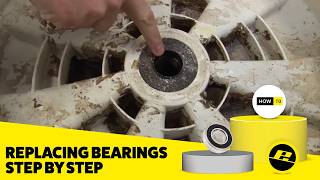
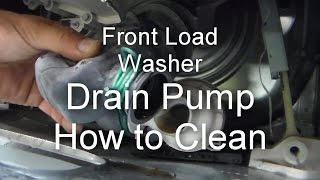
The Samsung WF45B6300AW is a front-load washer that commonly shows problems such as not draining, not spinning, door lock errors, leaks and loud noises. Below are step-by-step diagnostic and repair procedures for the most frequent faults so you can find and fix the cause efficiently. 1) Washer won't drain / water remains in drum - Diagnosis steps: 1. Run a Drain & Spin or Drain-only cycle. Listen for pump noise. If you hear nothing, suspect the drain pump or power to it. 2. Check the front-access pump filter (if equipped) or remove the lower access panel and inspect the pump inlet for debris (coins, hair, small articles). 3. Inspect drain hose and house plumbing for kinks or clogs. Disconnect hose and blow through it or run water to confirm flow. 4. If the pump runs but doesn't move water, open the pump and check impeller for damage or obstruction. - Fix steps: 1. Unplug washer and shut off water. Place towels/containers to catch water. 2. Access pump via lower front panel. Remove filter and clear debris. 3. If pump motor is dead (no spin, no humming) or impeller damaged, replace the drain pump module. 4. Reassemble, restore power, and run a drain test. 2) Washer won't start / no power to controls - Diagnosis steps: 1. Check home circuit breaker and outlet — test outlet with a lamp or multimeter. 2. Inspect the control panel for visible errors. Try a power reset: unplug 1 minute, plug back in. 3. If unit has partial power (display on but won't run) suspect the main control board or door lock failure. - Fix steps: 1. Confirm power supply and outlet. If other appliances work, test continuity to the washer's incoming power with the unit unplugged and a qualified approach. 2. If the control board shows burn marks or failed capacitors, replace the main control board. If door won't lock (see next), replace the door lock assembly first. 3) Door won't lock or dE / door error shows - Diagnosis steps: 1. Inspect the door strike and locking mechanism for broken plastic or obstructions in the gasket area. 2. Run a diagnostic/Service mode (consult tech sheet behind control or user manual) to test door lock actuation and measure for continuity across the lock terminals with a multimeter when the lock is commanded. - Fix steps: 1. Unplug washer. Remove the top or front bezel to access the door lock. Replace the door lock assembly if it has no continuity when energized or if latch plastic is broken. 2. After replacement, run a test cycle to confirm proper locking. 4) Washer not filling / 1E, LC, or IE error (water inlet issues) - Diagnosis steps: 1. Confirm hot/cold supply valves are fully open and hoses are not kinked. 2. Check for sediment screens in inlet hoses and in the water inlet valve for blockage. 3. Test the inlet valve solenoid coils for continuity with a multimeter. - Fix steps: 1. Turn off water, remove inlet hoses and clean screens. 2. If valve coils are open or valve doesn't let water through under voltage, replace the water inlet valve assembly. 5) Loud noise, grinding, or heavy vibration - Diagnosis steps: 1. Confirm washer is level and shipping bolts were removed if newly installed. 2. Run a spin cycle and listen: high-pitched screech/grinding often indicates worn bearings; thumping may indicate unbalanced loads or foreign objects trapped between tub and drum. 3. Check the tub seal and bearing by spinning the drum by hand — excessive play or roughness suggests bearing failure. - Fix steps: 1. Remove front panel and drum to inspect for foreign objects and to confirm bearing wear. 2. Replace bearings and seal (tub bearing kit) or, if the machine uses shock absorbers/dampers and they are worn, replace those first for excessive rocking. 3. Rebalance load and retest. 6) Leaking from door or detergent drawer - Diagnosis steps: 1. Inspect the door gasket (bellows) for tears, mold build-up or a loose clamp. 2. Check detergent drawer for overflow, blockages, or cracked housing. 3. Run a short wash and observe to locate leak source. - Fix steps: 1. Replace the door boot/gasket if torn. Replace or reseat the clamp band that secures the boot to the front panel. 2. Clean or replace the detergent drawer assembly and ensure inlet valves are not spraying incorrectly. 7) Error codes and electronic faults - Common codes: dE (door), UE (unbalanced load), 4C/LC (water supply), 5C/SC (drain), HE (heater issue), LE (motor/fail). Consult the service manual for code specifics. - Clear codes by power-cycling. If persistent, follow the diagnostic tree in the service manual to isolate component failures (sensors, wiring, board). Safety note: Always unplug the washer and shut off the water supply before opening panels or disconnecting hoses. Use proper tools, wear gloves and eye protection. If you are uncomfortable with mains-voltage testing or heavy disassembly (bearing replacement, motor work), hire a qualified appliance technician.
Common Symptoms
Washer won't drain, won't spin, door lock errors, loud grinding noises during spin, leaks from door or drawer, and common Samsung error codes (dE, 4C/LC, 5C/SC, UE).
Common Causes
- Clogged or failed drain pump or hose blockage
- Faulty door latch/lock assembly or gasket damage
- Worn tub bearings or failed shock absorbers causing noise and vibration
Popular Parts That Fix This Problem
These are the most common replacement parts that fix this problem. When you're ready to order, click below to find the right part at ProsourceParts.com — just search by your appliance model number for a guaranteed fit.

Helpful Repair Tip
To confirm a bad drain pump: run Drain & Spin and listen — if there's no hum or a weak whine and the trap/filter is clear, remove the pump and check continuity across the pump motor terminals; no continuity or a seized impeller means replace the pump.
Frequently Asked Questions
My washer shows "dE" on the display — what should I check first?
dE indicates a door error. First, unplug the washer and inspect the door strike and gasket for damage or obstructions. Check that the door closes fully and latches. If the latch looks intact, run the diagnostic door lock test or measure continuity of the lock assembly; replace the door lock module if it fails the continuity test when energized.
Is it worth replacing the tub bearings on this model or should I replace the entire washer?
Bearing replacement is labor-intensive because it requires disassembling the tub and often cutting or separating parts. If your washer is several years old and repair cost approaches 50% of a new machine, replacement may be more cost-effective. If the machine is relatively new and otherwise in good condition, replacing the bearing and seal kit (and inspecting related parts) is reasonable. Get a labor estimate before deciding.
Related How-To Videos
Real DIY Repair Stories
Be the first to share your repair story!
Share Your Repair Story
Your experience helps other homeowners fix their appliances. Tell us how it went!
Can't Fix It Yourself? Find a Local Technician
It's perfectly okay to call a professional. Some repairs require specialized tools, deep teardowns, or dealing with complex systems that are better left to the pros.

Find the Right Part for Your Appliance
Don't guess — search your exact appliance model number at ProsourceParts.com to find the correct OEM compatible replacement part. They offer fast free shipping, guaranteed fit, and thousands of parts in stock.
Your Free Parts Videos
Whether your dishwasher won't drain, your dryer stopped heating, or your fridge isn't cold, we've created simple repair guides for the most common appliance problems homeowners face. Each guide explains what's going wrong, the most likely causes, and which replacement parts fix the issue. When you're ready to order, we link directly to ProsourceParts.com where you can search by model number and get the right part shipped fast.