
Samsung WF42H5200 Front‑Load Washer – Troubleshooting, Diagnostics & What to Check
Need the replacement part? Search your model number at for guaranteed fit and fast free shipping.
Understanding the Problem
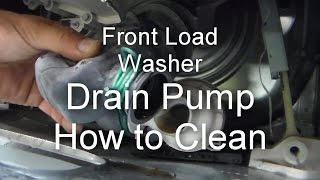
This guide covers common faults seen on the Samsung WF42H5200 (sometimes listed as WF42H5200APA2). Typical problems are failure to start, not filling, not draining, loud noises or vibration, leaks, and error codes. Below are practical diagnostic and repair steps you can follow at home. Always unplug the washer and shut off the water supply before working on it. 1) Identify the symptom and any displayed error code - If the display shows an error (e.g., 4C/4E, 5C/5E, UE, dE), write it down. Error codes are the fastest path to the failing subsystem (water fill, drain, unbalance, door latch). 2) Basic safety & reset - Unplug the washer and turn off water. Wait 1 minute, then plug back in to see if a simple electronic reset clears the issue. 3) No power / won't start - Check house power (test outlet with another device). Inspect power cord for damage. If outlet ok but washer has no display, test for blown internal fuse on control board (requires multimeter) and visually check control board for burnt components. 4) Won’t fill or slow fill (4C, 4E errors) - Check hot/cold inlet hoses and shutoff valves are open. - Remove inlet hoses and clean the small metal mesh screens on the inlet valve. Replace if damaged. - If screens are clean and valves deliver normal flow, test inlet valve solenoids for continuity with a multimeter. A failed inlet valve assembly will need replacement. 5) Won’t drain / 5C or 5E errors - Listen for the drain pump during drain step. If you don’t hear it, check if debris is blocking the pump filter (accessible behind lower front access panel or small service door at the front bottom); be prepared to catch water. - Inspect and remove obstructions from the pump/filter and drain hose (bird nest, socks, lint). Check the standpipe/drain for clogs. - If pump runs but doesn't move water, or pump is noisy/grinding, replace the drain pump. 6) Door won’t lock or displays dE - Check the door latch/lock assembly for visible damage. With power off, test the latch for continuity; if it shows no continuity when closed, replace the door lock assembly. 7) Not spinning / Won’t agitate / UE (unbalanced) - For UE/unbalanced: redistribute clothes and re-run spin. Overloading or single heavy items cause unbalance. - If motor doesn’t run on spin, check the door lock, then the motor/inverter and Hall sensors. Samsung front‑load machines use direct‑drive motors — there’s no belt. Motor failures, inverter board issues, or main control board problems can prevent spinning and usually require replacement of the motor assembly or control board. 8) Excessive noise, grinding, humming or squeal - Remove front access and inspect drum bearings and tub seal. Loud metallic grinding usually means worn bearings or drum support failures (requires bearing/seal replacement which is an advanced repair). - A rattling or thumping may be caused by foreign objects between the tub and drum — remove the front boot clamp and inspect the seal and drum gap. 9) Leaks - Inspect door boot (bellows) for tears and the door glass for cracks. Check inlet hose fittings and clamps, drain hose condition and clamp at the standpipe, and the detergent drawer for overflow. - Tighten loose hose clamps and replace damaged bellows or hoses. 10) Control board / electronics issues - If multiple unrelated functions fail (no fill, no spin, random errors), suspect the main control board or T-CON/inverter board. Inspect for burned components, swollen capacitors or water damage. Boards are replaceable but require careful ESD-safe handling. 11) How to replace common parts (high level safe steps) - Drain pump replacement: unplug washer, turn off water, remove front lower access panel, place towel/bucket under pump, disconnect pump electrical connector and hoses (clamps), remove mounting screws, swap in new pump, reattach hoses and connectors, test on drain-only cycle. - Door latch replacement: unplug washer, open door and remove top/front trim as required to access latch, unclip electrical connector, remove screws, install new latch and test door lock on a short cycle. - Shock absorber/damper replacement: support drum, remove rear panel or tilt washer to access dampers, remove retaining bolts, swap dampers, reassemble and test spin. - Boot/bellows replacement: open door, remove outer clamp and inner retaining band (tools vary), pull boot out and detach from tub and door, install new boot and secure clamps. Safety note: Always disconnect power and water before working on the washer. Use gloves and eye protection. If a repair requires handling refrigerants (not applicable here) or major disassembly of the motor/tub/bearing assembly, consider a professional technician.
Common Symptoms
Washer won't start or display shows errors; slow or no water fill; won't drain; loud noises during spin; washer vibrates heavily; door won't lock; water leaking from the front boot.
Common Causes
- Clogged pump/filter or drain hose
- Faulty door latch/lock assembly
- Failed drain pump or motor/inverter
- Blocked inlet screens or bad water inlet valve
- Worn bearings, torn door boot, or damaged suspension/dampers
- Faulty main control board
Popular Parts That Fix This Problem
These are the most common replacement parts that fix this problem. When you're ready to order, click below to find the right part at ProsourceParts.com — just search by your appliance model number for a guaranteed fit.

Helpful Repair Tip
First confirm the failing subsystem by noting any error code and listening: if you hear the pump run but water doesn't drain, check hoses/standpipe; if you hear nothing during drain, suspect the drain pump or its electrical feed.
Frequently Asked Questions
How do I know whether to replace the pump or just clear a clog?
If you hear the pump motor humming or running during drain but no water comes out, first inspect and clear the filter and drain hose/standpipe. If the pump runs and you cleared blockages but still no flow, or the pump makes grinding/noisy sounds, the pump is failing and should be replaced. If the pump makes no sound at all during the drain step and it has power at the connector, replace the pump.
Can I replace these parts myself and how much will it cost?
Yes—many WF42H5200 repairs (drain pump, door latch, inlet valve, boot, shocks) are DIY‑friendly if you have basic tools and follow safety steps. Parts typically range from $20–$200 depending on the component; expect $50–$300 for parts and 1–3 hours of labor for a DIY job. More involved repairs like bearing/tub replacements or control board work may be difficult and are often best handled by a professional.
Related How-To Videos
Real DIY Repair Stories
Be the first to share your repair story!
Share Your Repair Story
Your experience helps other homeowners fix their appliances. Tell us how it went!
Can't Fix It Yourself? Find a Local Technician
It's perfectly okay to call a professional. Some repairs require specialized tools, deep teardowns, or dealing with complex systems that are better left to the pros.

Find the Right Part for Your Appliance
Don't guess — search your exact appliance model number at ProsourceParts.com to find the correct OEM compatible replacement part. They offer fast free shipping, guaranteed fit, and thousands of parts in stock.
Your Free Parts Videos
Whether your dishwasher won't drain, your dryer stopped heating, or your fridge isn't cold, we've created simple repair guides for the most common appliance problems homeowners face. Each guide explains what's going wrong, the most likely causes, and which replacement parts fix the issue. When you're ready to order, we link directly to ProsourceParts.com where you can search by model number and get the right part shipped fast.