
Samsung WA50K8600AV/A2 Repair Guide – Common Problems and What Parts Fix Them
Need the replacement part? Search your model number at for guaranteed fit and fast free shipping.
Understanding the Problem
This guide covers the most common problems owners see with the Samsung WA50K8600AV/A2 top-load washer and gives practical step-by-step diagnostic and repair instructions. Read the symptom sections below, check the suggested parts, and follow the safety notes. 1) Washer won't start or won't power on - Likely parts to check first: household power, control lock, lid switch/lock assembly, main control board, door harness. - Diagnostic steps: 1. Confirm outlet power: plug a lamp or use a multimeter at the washer's power outlet. Check the breaker and GFCI if present. 2. Check control lock / child lock indicator — disable if active (refer to the user manual button combination). 3. Inspect the lid/cabinet switch: open/close lid while trying to start a cycle. If the washer only runs with the lid held down, replace the lid switch/lock assembly. 4. Unplug washer, remove top or rear access panel, visually inspect wiring to the control board for burned connectors or loose plugs. 5. If there's no power to the control board, trace back to the incoming power harness and main fuse (if applicable). 6. If the board shows visible damage or fails to respond in diagnostics, replace the main control board. 2) Washer doesn't spin or agitate properly - Likely parts to check first: load balance (clothes distribution), lid switch, drive motor/stator, clutch, belt (if present), rotor assembly. - Diagnostic steps: 1. Run an empty spin cycle. Listen for motor noise and observe drum motion. 2. If drum turns freely but won't accelerate, check for belt/slippage (some Samsung top-loads use direct drive; inspect motor coupling/stator/rotor for damage). 3. Test lid switch for continuity with a multimeter (unplug washer first). If open when lid is closed, swap the switch. 4. Inspect the motor and drive assembly for burnt smell, visible damage, or seized rotor. Replace motor/stator assembly if defective. 3) Washer won't drain or shows 5E / OE (water overflow) errors - Likely parts to check first: drain pump, drain hose, coin trap (if equipped), pump filter, drain line blockage, pressure switch/tub water level sensor. - Diagnostic steps: 1. Start a drain cycle and listen — you should hear the drain pump running. If there's silence, test the pump. 2. Remove lower access panel (or turn washer to access pump) and inspect pump inlet/outlet for foreign objects (coins, fabric, socks). Remove debris. 3. Check the drain hose for kinks or clogs. Disconnect the hose and run water through to confirm flow. 4. With washer unplugged, disconnect pump wiring and test for continuity with a multimeter. A pump that reads open (infinite ohms) likely needs replacement. 5. If pump runs but no drain, replace the pump or clear the blocked hose. 4) Excessive noise or grinding during cycle - Likely parts to check first: foreign objects in tub/drain pump, bearings, rotor/stator, suspension rods/dampers, drive pulley. - Diagnostic steps: 1. Run an agitation or spin cycle and carefully listen to localize noise (front, back, under drum). 2. Remove lower access panel and inspect drain pump for debris; remove and inspect impeller for damage. 3. Manually spin drum. If you hear metal-on-metal grinding or feel roughness, inspect bearings/tub seal and consider replacing tub bearings or entire outer tub assembly. 4. For loud thumping or banging, check suspension rods/dampers for wear and replace failed dampers. 5) Washer leaks water - Likely parts to check first: inlet hoses, hose clamps, door seal (if front-load), tub-to-pump hoses, pump gasket, water inlet valve. - Diagnostic steps: 1. Run a short cycle and watch for the leak location. 2. Tighten hose clamps and inspect inlet hoses for cracks. Replace damaged hoses. 3. Inspect pump housing and pump gasket for cracks; replace pump assembly if necessary. 4. If leak occurs during fill, check the water inlet valve and its mounting gasket. 6) Error codes and service mode - Many faults are signaled by codes (UE, dC, 5E/OE, LE, etc.). Note the code and consult the service manual for exact meaning. - To access diagnostics: consult your model's tech sheet (usually taped to back of machine or inside the console); follow the service manual button sequence to enter diagnostic mode and run individual component tests (motor, pump, valves). How to fix (general instructions for common repairs): - Replacing drain pump: unplug washer, remove lower access panel, disconnect hoses and wiring to pump, remove mounting screws, install new pump (check orientation), reconnect hoses/wiring, test drain. - Replacing lid switch/lock: unplug, remove top/control console to access switch assembly, disconnect wiring harness, replace part, reassemble and test. - Replacing suspension rods/dampers: tilt washer back, remove cabinet or access panels as required, remove old dampers and press in new ones, reassemble and test balance. - Replacing main control board: unplug washer, remove console/panel to access board, photograph wiring for reassembly, disconnect harnesses and mounting screws, install new board and reattach wiring exactly as removed. Safety note: Always unplug the washer and turn off the water supply before performing any internal inspection or repair. If you are not comfortable working with mains voltage or lifting heavy parts (tub, motor), hire a qualified appliance technician.
Common Symptoms
Washer won't start, won't spin, won't drain, loud noises during spin, excessive vibration, water leaks, and error codes displayed on the control panel.
Common Causes
- Failed drain pump or clogged drain hose
- Faulty lid switch or door lock assembly
- Defective main control board or motor assembly
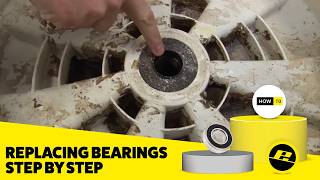
- Worn suspension rods/dampers or tub bearings
- Obstructed inlet hoses or failed water inlet valve
Popular Parts That Fix This Problem
These are the most common replacement parts that fix this problem. When you're ready to order, click below to find the right part at ProsourceParts.com — just search by your appliance model number for a guaranteed fit.
Helpful Repair Tip
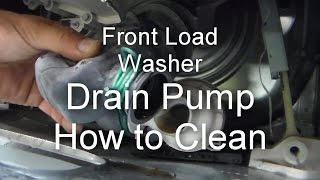
Listen during the drain cycle—if you hear the pump humming but no water movement, check for a blocked hose or an impeller damaged by debris. If the pump is silent and shows no continuity on a multimeter, replace the drain pump.
Frequently Asked Questions
How can I read error codes on my WA50K8600AV/A2?
The washer displays error codes on the control panel. Write down the code exactly as it appears and consult your owner's manual or the service tech sheet (usually taped to the back of the machine) for the meaning. For deeper diagnostics, the service mode will run individual component tests; the specific button sequence for service mode is printed on the washer's tech sheet or in the service manual—use that resource to run pump, motor, and valve tests.
Is it worth repairing my WA50K8600AV/A2 or should I replace the washer?
Decide based on age, extent of damage, and repair cost. Small repairs (drain pump, lid switch, hoses, dampers) are usually inexpensive and worthwhile. Major repairs (failed control board, motor/stator, tub bearings) can be costly; compare repair estimate to current replacement cost. If the washer is older than 8–10 years and needs a major component replacement, consider replacement. Always get a written estimate and weigh repair cost versus remaining useful life.
Related How-To Videos
Real DIY Repair Stories
Be the first to share your repair story!
Share Your Repair Story
Your experience helps other homeowners fix their appliances. Tell us how it went!
Can't Fix It Yourself? Find a Local Technician
It's perfectly okay to call a professional. Some repairs require specialized tools, deep teardowns, or dealing with complex systems that are better left to the pros.

Find the Right Part for Your Appliance
Don't guess — search your exact appliance model number at ProsourceParts.com to find the correct OEM compatible replacement part. They offer fast free shipping, guaranteed fit, and thousands of parts in stock.
Your Free Parts Videos
Whether your dishwasher won't drain, your dryer stopped heating, or your fridge isn't cold, we've created simple repair guides for the most common appliance problems homeowners face. Each guide explains what's going wrong, the most likely causes, and which replacement parts fix the issue. When you're ready to order, we link directly to ProsourceParts.com where you can search by model number and get the right part shipped fast.