
Samsung WA45T3400AW (A4-00) Common Problems — What to Check and How to Fix Them
Need the replacement part? Search your model number at for guaranteed fit and fast free shipping.
Understanding the Problem
This guide covers the most common problems owners see with the Samsung WA45T3400AW (A4‑00) top‑load washer: not filling, not draining, not spinning, loud noises/vibration, leaks and common error codes. Below are clear diagnostic and repair steps arranged by symptom and the typical parts to check first. Follow the numbered steps and test between steps to isolate the fault. 1) Washer won't fill or fills slowly 1. Confirm faucets are fully open and inlet hoses aren't kinked. Turn off water and disconnect hoses to check screen filters; clean debris with a small brush. 2. Check water inlet valve for continuity with a multimeter. If no continuity or valve is visibly leaking or not responding when the cycle calls for water, replace the inlet valve. 3. Test fill by starting a cycle and listening for the solenoid clicking; if no click but voltage is present at the valve during a fill command, the main control board may be faulty. 4. If one side (hot/cold) doesn't fill, swap hoses to test valve ports. Replace the valve if a port is dead. 2) Washer won't drain or displays drain error (e.g., 5E / OE / 7E) 1. Check the drain hose for kinks or high loops; remove and run the hose into a bucket to verify water exits freely. 2. Remove the drain pump access (front or bottom panel depending on model), open the pump filter/clean‑out and remove lint/foreign objects. 3. With the washer powered off and unplugged, spin the pump impeller by hand—if it’s jammed or makes grinding noise, replace the drain pump. 4. Test pump electrical continuity. If pump has continuity but won't run when commanded, check voltage at pump during a drain cycle—if no voltage, suspect main control board or wiring. 3) Washer won't spin or is unbalanced (UE error) 1. Verify load is balanced and not overloaded—redistribute and run a spin-only cycle. 2. Inspect suspension (shocks/rods) and springs—worn suspension will allow excessive movement and cause UE. Replace worn suspension rods. 3. Check the drive motor and associated clutch/rotor assembly. If you hear the motor hum but no spin, test motor for continuity and capacitor (if fitted). Replace motor if failed. 4. If drum turns freely when powered off but will not engage during spin, test the lid lock/lid switch—if defective, the washer may refuse to spin. 4) Loud noise or grinding during wash/spin 1. Remove the agitator/tub access (if applicable) and inspect for foreign objects (coins, buttons) trapped between the inner and outer tub or in the drain pump. 2. Check pump impeller for damage; replace pump if impeller broken or bearings noisy. 3. If noise is a loud rumble from the tub during spin, suspect worn tub bearings or a worn motor coupling/drive motor—these usually require more extensive repair (tub/motor replacement). 5) Leaks under machine 1. Inspect inlet hose connections and clamps for tightened fittings and cracked hoses—replace hoses if brittle. 2. Check the drain hose and pump housing for cracks and the tub seal area for evidence of leaks. 3. Replace the failing gasket/hose/pump assembly as required. 6) Persistent or confusing error codes 1. Record the exact code and consult the owner/service manual—common codes: 4E (water fill), UE (unbalanced), dE (door/lid), 5E (drain). 2. Run diagnostics (refer to Samsung service manual for model‑specific diagnostic entry) to exercise components and read live status. 3. Follow targeted checks above based on the code (inlet valve for 4E, pump/hose for 5E, door lock for dE, suspension for UE). Basic replacement steps (drain pump example) 1. Unplug washer and turn off water. Place towels and a shallow pan to catch residual water. 2. Remove service panel (front or bottom) to access the pump. Drain residual water via access port if present. 3. Disconnect electrical connector(s) and remove the hose clamps or spring clips from the pump. Remove the pump and inspect impeller. 4. Install the new pump (ensure clamp positions and hose seating), reconnect connectors, reassemble panel, restore power/water and run a drain/spin test. Safety note: Always unplug the washer and shut off water before doing any internal inspection or repair. If you are not comfortable with electrical diagnosis, replacing motors, or control boards, call a qualified appliance technician.
Common Symptoms
Will not fill or fills slowly, will not drain, won't spin or frequent 'UE' unbalance errors, loud grinding or rumbling during spin, water leaks, and error codes such as 4E/5E/dE/UE.
Common Causes
- Clogged or kinked inlet/drain hoses and dirty inlet screens
- Failed drain pump (jammed impeller or electrical failure)
- Worn suspension rods/shocks or tub bearings causing imbalance and noise
- Defective water inlet valve, lid lock/switch, drive motor or main control board
Popular Parts That Fix This Problem
These are the most common replacement parts that fix this problem. When you're ready to order, click below to find the right part at ProsourceParts.com — just search by your appliance model number for a guaranteed fit.

Helpful Repair Tip
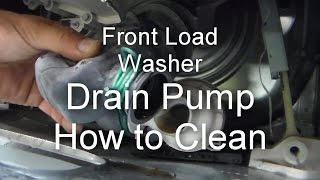
To confirm a bad drain pump: remove the pump access, manually spin the impeller—if it’s stuck, noisy or has foreign objects, replace it. If it spins freely but won’t run, check for voltage at the pump during a drain cycle to distinguish between a bad pump and a control board issue.
Frequently Asked Questions
Can I repair my Samsung WA45T3400AW myself?
Yes — many common repairs are DIY friendly: cleaning inlet screens, clearing the drain pump, replacing hoses, and swapping suspension rods. Basic tools (screwdrivers, pliers, multimeter) and following the safety steps (unplug, shut off water) are required. For electrical diagnosis, motor replacement, or control board swaps, consider a professional if you're not experienced with appliance electrics.
When should I call a professional technician?
Call a pro if you find burnt or damaged wiring, if a component shows correct voltage but doesn't operate (indicating possible control board failure), if tub bearings or the cabinet/tub assembly need to be replaced, or if you’re uncomfortable doing the disassembly required to reach internal parts. Also call a technician if the washer continues to display error codes after replacing the obvious failed parts.
Related How-To Videos

Real DIY Repair Stories
Be the first to share your repair story!
Share Your Repair Story
Your experience helps other homeowners fix their appliances. Tell us how it went!
Can't Fix It Yourself? Find a Local Technician
It's perfectly okay to call a professional. Some repairs require specialized tools, deep teardowns, or dealing with complex systems that are better left to the pros.

Find the Right Part for Your Appliance
Don't guess — search your exact appliance model number at ProsourceParts.com to find the correct OEM compatible replacement part. They offer fast free shipping, guaranteed fit, and thousands of parts in stock.
Your Free Parts Videos
Whether your dishwasher won't drain, your dryer stopped heating, or your fridge isn't cold, we've created simple repair guides for the most common appliance problems homeowners face. Each guide explains what's going wrong, the most likely causes, and which replacement parts fix the issue. When you're ready to order, we link directly to ProsourceParts.com where you can search by model number and get the right part shipped fast.