
Samsung WA45T3400AV/A4 Washer — Common Problems and How to Fix Them
Need the replacement part? Search your model number at for guaranteed fit and fast free shipping.
Understanding the Problem
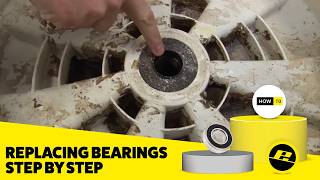
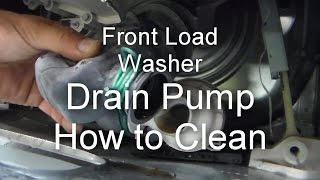
The Samsung WA45T3400AV/A4 is a 4.5 cu ft top-load washer that commonly shows a handful of repeat issues after years of use: won't drain or spin, doesn't fill properly, displays error codes, makes loud noises or vibrates excessively. Below are the likely causes and step-by-step diagnostics and repair instructions for each common symptom so you can find and fix the root cause. Always verify the exact part number for your serial/model before ordering. 1) Washer won't drain or spin (water remains in tub) - Likely causes to check first: clogged drain hose or pump filter, failed drain pump, lid lock/lid switch fault, foreign object trapped under the tub, or a control board fault. - Diagnostic & repair steps: 1. Unplug washer or switch off breaker. Turn off water at the wall. 2. Move washer away from wall, locate the drain hose and inspect for kinks or clogs. Remove the hose and blow through it into a bucket to confirm flow. 3. Access the drain pump: on many Samsung top-loaders you can remove the lower front panel or back panel. Place towels/bucket and disconnect pump hoses. Check for debris (coins, socks, lint) and remove. 4. With the pump removed, test it: reconnect it to the wiring harness and run a short drain/spin cycle (or apply 120V only if you know how and comfortable) — listen for pump running. Safer: use a multimeter to test continuity across pump terminals (a healthy pump usually shows low resistance; consult a parts chart). No continuity or no run indicates a bad pump—replace it. 5. Check the lid lock/lid switch: inspect for physical damage, and test continuity with a multimeter. If the washer thinks lid is open it won't spin. 6. If pump and lid lock are good, check for fault codes on the control panel and perform a control board reset: unplug 1–2 minutes, plug back in and run a drain/spin. If control board faults persist, consider replacing the main control board. 7. Reassemble and test on a short drain/spin cycle. 2) Washer not filling or filling slowly - Likely causes to check first: clogged inlet screens, failing water inlet valve, kinked supply hoses, or low house water pressure. - Diagnostic & repair steps: 1. Confirm both hot and cold water supplies are on at the shutoff valves and hoses are not kinked. 2. Turn off water, disconnect hoses at the washer, and check inlet screens on the water inlet valve for lint/mineral buildup. Clean screens with a small brush. 3. Check the inlet valve solenoids: with the hoses still off, turn water on briefly to see if flow is strong into the washer ports—if flow is good at the house but weak at the washer after cleaning, replace the inlet valve. 4. Use a multimeter to test solenoid continuity (should show continuity — a very high or open reading indicates a failed solenoid). 5. If washer fills intermittently and there are error codes related to water level, inspect the pressure switch/tub air hose for cracks or blockages. 3) Loud noise during spin or agitation - Likely causes to check first: foreign object in tub or pump, worn tub bearings, worn drive components (clutch, spider, or motor stator/rotor), or unbalanced load. - Diagnostic & repair steps: 1. Remove all laundry and run a spin-only cycle to see if noise persists (this rules out unbalanced loads). 2. Inspect inside the tub between the wash basket and outer tub for trapped items by rotating the basket and looking down the gap. 3. Remove the lower panel and inspect the pump and drive components for debris. Spin the drum by hand; roughness or grinding indicates worn bearings or a failed hub. 4. If bearings or tub seal are leaking or noisy, these are major repairs — you’ll likely replace the tub seal/bearings and related hub assembly or the entire outer tub depending on parts availability and cost. 5. If noise seems electrical (squeal or humming) inspect the motor/stator assembly and motor capacitor; test motor resistance and compare to spec. Replace motor assembly if out of spec or physically damaged. 4) Excessive vibration or shaking - Likely causes to check first: uneven leveling, worn shock absorbers/springs, suspension rods, or an out-of-balance drive hub. - Diagnostic & repair steps: 1. Verify washer is level: use a bubble level on top and adjust feet so the washer is stable on all four corners. 2. Inspect shock absorbers/springs (rear/support straps on top-loaders) for wear or breakage. Replace any worn shocks/springs in pairs for best results. 3. Check for worn suspension rods or a damaged counterweight; replace damaged parts. 5) Error codes and electronic faults - Common codes: UE (unbalanced), dE/LOC (door/lid error), 4C/4E (water intake), DC (door/lid), and various E-codes. Always check the service manual for code definitions specific to your model. - Diagnostic & repair steps: 1. Record the exact code shown. Power cycle the washer by unplugging 1–2 minutes and see if code returns. 2. If the code is repeated, use the troubleshoot chart in the service manual or perform the specific test (e.g., check inlet valves for 4C/4E, check lid lock for dE). 3. If you confirm a failed component (inlet valve, lid lock, level sensor, control board), replace it and clear the code by power cycling. Practical how-to tips for parts replacement - Replace drain pump: drain remaining water, disconnect power, remove lower panel, disconnect hoses and wiring from pump, swap pump for a matching OEM part, reattach hoses, fill pump junction clamps, restore power and test. - Replace water inlet valve: unplug washer, turn off water, remove top or rear panel to access valve, disconnect hoses and wiring, swap valve with matching part, reinstall and test for leaks and correct fill behavior. - Replace lid lock: remove top panel or access lock from control console per model instructions, unplug connector and swap part, test that lid locks and washer will start spin/agitate. Safety note: Always disconnect power at the breaker or unplug the appliance before opening panels or touching electrical components. Turn off water supply before disconnecting hoses. Use proper tools, support the tub or drum when removing heavy components, and if a repair requires lifting heavy parts (outer tub, motor assemblies) get help or call a professional.
Common Symptoms
Won't drain or spin; slow or no fill; loud noises during spin or agitation; excessive vibration; error codes (UE, dE/LOC, 4C/4E).
Common Causes
- Clogged drain hose or foreign object in pump
- Failed drain pump or water inlet valve
- Worn bearings, suspension components, or a bad lid lock/control board
Popular Parts That Fix This Problem
These are the most common replacement parts that fix this problem. When you're ready to order, click below to find the right part at ProsourceParts.com — just search by your appliance model number for a guaranteed fit.
Helpful Repair Tip
To confirm a bad drain pump: remove the pump access panel, manually spin the pump impeller. If it won't spin freely, makes grinding noises, or shows no continuity on a multimeter, replace the pump.
Frequently Asked Questions
How do I reset my Samsung WA45T3400AV/A4 washer?
Most resets are done by unplugging the washer or switching off the breaker for 60–120 seconds, then plugging it back in. This clears minor electronic glitches. If an error code returns, record it and follow diagnostics for that code.
When should I call a professional technician?
Call a pro if the repair requires removing heavy assemblies (outer tub or drive motor), you suspect major bearing/tub damage, there are repeated control board faults, or you're not comfortable working with mains electricity or water connections. A licensed technician can also run advanced diagnostics and source OEM parts for your exact model.
Related How-To Videos
Real DIY Repair Stories
Be the first to share your repair story!
Share Your Repair Story
Your experience helps other homeowners fix their appliances. Tell us how it went!
Can't Fix It Yourself? Find a Local Technician
It's perfectly okay to call a professional. Some repairs require specialized tools, deep teardowns, or dealing with complex systems that are better left to the pros.

Find the Right Part for Your Appliance
Don't guess — search your exact appliance model number at ProsourceParts.com to find the correct OEM compatible replacement part. They offer fast free shipping, guaranteed fit, and thousands of parts in stock.
Your Free Parts Videos
Whether your dishwasher won't drain, your dryer stopped heating, or your fridge isn't cold, we've created simple repair guides for the most common appliance problems homeowners face. Each guide explains what's going wrong, the most likely causes, and which replacement parts fix the issue. When you're ready to order, we link directly to ProsourceParts.com where you can search by model number and get the right part shipped fast.