
Samsung WA45T3400AV/A4 — Common Problems & What Parts Fix Them
Need the replacement part? Search your model number at for guaranteed fit and fast free shipping.
Understanding the Problem
This guide covers the most common problems owners see with the Samsung WA45T3400AV/A4 (4.5 cu ft top-load model): won't start, won't drain or spin, loud noise or vibration, leaks, and common error codes. Below are prioritized diagnostic checks and step-by-step repair instructions you can follow at home. 1) Safety & quick prep - Unplug the washer and shut off the hot and cold water supplies before any inspection or repair. - Have basic tools ready: multimeter, screwdrivers (Phillips and flat), socket set, adjustable wrench, needle-nose pliers, towels, and a shallow pan to catch water. 2) If the washer won't start or won't accept commands - What to check first: power (wall outlet), control lock, lid lock, and error codes. - Steps: 1. Confirm outlet and power: plug a lamp into the outlet or use a multimeter to verify 120VAC. Inspect the washer's power cord for damage. 2. Check Control Lock / Child Lock: hold the 'Child Lock' button (or consult the control panel) to ensure it isn't engaged. 3. Look for error codes or blinking lights. If the display shows dE (lid error) or other codes, note them — they point to the subsystem at fault. 4. Test the lid lock/lid switch: remove the top panel or control panel per service instructions, locate the lid lock assembly and test continuity with a multimeter while actuating the latch. No continuity when locked = replace lid lock. 5. If the washer has power and the lid lock tests OK, but nothing runs, check the main control board for visible burn marks or bulging capacitors. If the board is damaged, replace the board after confirming other components. 3) If the washer won't drain or spin (common): - Likely causes to check first: clogged drain pump or hose, failed drain pump, lid lock, or motor drive components. - Steps: 1. Run a drain/spin or diagnostic drain test (see service manual) and listen: does the pump hum/click? No sound often means no power to pump or bad pump. 2. Check the drain hose for kinks or clogs. Disconnect hose from standpipe and run water through it; clear any obstruction. 3. Access and inspect the drain pump: remove the back panel or lower front access (model dependent), place towels/pan under pump, disconnect wiring and hose, remove the pump and check for obstructions (coins, socks). Try spinning the pump impeller by hand; it should turn freely. If seized or noisy, replace the pump. 4. Verify the lid lock: many Samsung washers will not spin if they detect an unlocked lid. Test as above. 5. If pump and lid lock are okay but the tub doesn't spin, test motor/drive: check wiring and motor for continuity. Some Samsung top-loaders use a drive motor with electronic control — if motor is dead and receives correct voltage when commanded, replace motor or motor control as indicated. 4) If the washer is noisy or vibrates/shakes excessively - Likely causes: leveling, shipping bolts not removed (if new), worn suspension rods or shock absorbers, worn bearings or tub seal. - Steps: 1. Confirm washer is level: use a spirit level and adjust feet until stable. Move washer away from walls and run an empty spin to check. 2. Check for foreign objects between tub and outer tub (turn drum by hand and listen). Remove object if found. 3. Inspect suspension rods/shocks and springs: visibly worn or broken shocks should be replaced in sets. For top-loaders check dampening rods and agitator mounting. 4. If loud rumbling during spin persists, bearing/tub seal failure is possible; this is a major repair (replace outer tub and bearings or consider replacement of machine if labor cost exceeds value). 5) If the washer leaks - Likely causes first: loose hose connections, damaged inlet hoses, failed tub-to-pump hose, drain pump seal, or detergent drawer overflow. - Steps: 1. Inspect inlet hoses and clamps — tighten or replace if cracked. Check behind machine for visible steady drips while a cycle runs. 2. Inspect the drain hose and its connection at the pump and standpipe. Replace the flexible hose if cracked. 3. Remove lower access to inspect pump housing and seals for leaks while running a drain test. 4. If leaking from front/bottom and not from visible hoses, suspect tub seal/bearing failure; this requires disassembly of the cabinet and drum to replace seals/bearings. 6) Using error codes and service mode - Most Samsung washers support a service/diagnostic mode that shows stored error codes and runs component tests (pump, motor, valves). Enter service mode per the model's service manual (sequence varies). Use diagnostic tests to run the drain pump and motor — confirm whether the parts respond. 7) Replacement basics (general steps common to many repairs) - Always unplug and shut water off. Drain any standing water from tub before removing parts. - Label connectors and take phone photos before disconnecting wiring harnesses. - Order replacement parts by the exact model number (WA45T3400AV/A4-00) and serial number to ensure correct fit. - After replacement, run a full cotton or rinse/spin cycle to confirm repair and check for leaks. Safety note: Unplug the washer before any disassembly. Use caution when working around water and electricity. If you are not comfortable performing electrical tests or disassembly that involves the motor, control board, or bearing replacement, hire a qualified appliance technician.
Common Symptoms
Won't start or accept commands, won't drain or spin, loud rumbling or banging during spin, excessive vibration, water leaking from bottom or hoses, error codes like dE (lid), 4C/4E (water), OE (drain).
Common Causes
- Clogged or failed drain pump or drain hose
- Faulty lid lock / lid switch preventing spin
- Worn suspension rods/shocks or tub bearings causing noise and vibration
Popular Parts That Fix This Problem
These are the most common replacement parts that fix this problem. When you're ready to order, click below to find the right part at ProsourceParts.com — just search by your appliance model number for a guaranteed fit.

Helpful Repair Tip
Enter the washer's diagnostic/service mode and run the pump and motor tests. If the pump doesn't run under a service command but gets voltage, the pump is bad; if it gets no voltage, the control board or wiring is the likely fault.
Frequently Asked Questions
How do I know if the drain pump is clogged or failed?
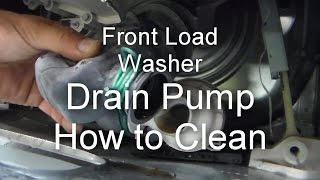
Run a drain or drain/spin cycle and listen: a humming or clicking sound usually indicates the pump is powered but jammed; no sound suggests it's not getting power or the motor is dead. Access the pump, remove hoses, and inspect for debris. Manually spin the impeller — it should turn freely. Replace the pump if seized, noisy, or electrically open.
The washer shows dE or won't spin even though lid is closed — what should I check?
dE indicates a lid lock/door error. First check that the lid closes fully and nothing obstructs it. Test the lid lock assembly for continuity when latched; if it fails the continuity check or physically doesn't latch, replace the lid lock. If the lock tests good but the machine still refuses to spin, check wiring to the lock and any related error codes in service mode; a control board issue can also prevent spin.
Related How-To Videos
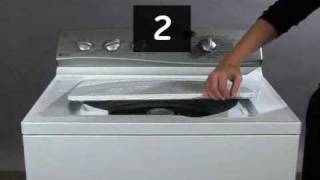
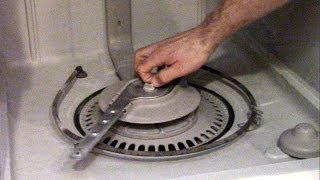
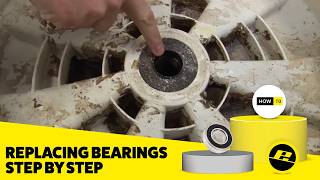
Real DIY Repair Stories
Be the first to share your repair story!
Share Your Repair Story
Your experience helps other homeowners fix their appliances. Tell us how it went!
Can't Fix It Yourself? Find a Local Technician
It's perfectly okay to call a professional. Some repairs require specialized tools, deep teardowns, or dealing with complex systems that are better left to the pros.

Find the Right Part for Your Appliance
Don't guess — search your exact appliance model number at ProsourceParts.com to find the correct OEM compatible replacement part. They offer fast free shipping, guaranteed fit, and thousands of parts in stock.
Your Free Parts Videos
Whether your dishwasher won't drain, your dryer stopped heating, or your fridge isn't cold, we've created simple repair guides for the most common appliance problems homeowners face. Each guide explains what's going wrong, the most likely causes, and which replacement parts fix the issue. When you're ready to order, we link directly to ProsourceParts.com where you can search by model number and get the right part shipped fast.