
Samsung WA45N3050AWA4 Washer — Common Problems and How to Fix Them
Need the replacement part? Search your model number at for guaranteed fit and fast free shipping.
Understanding the Problem
This guide covers the most common problems owners see with the Samsung WA45N3050AWA4 top-load washer (no-spin, won't drain, won't start, loud noise/vibration, leaks and error codes) and gives step-by-step diagnostics and practical fixes. 1) Washer won’t start or no power - Likely causes to check first: tripped breaker or blown fuse, faulty lid switch/lid lock, bad control board, loose wiring. - Diagnostic steps: 1. Confirm the washer has power: check the house breaker/fuse and test the outlet with a lamp or multimeter. 2. Inspect the power cord and wiring connections at the back of the washer for damage or loose connectors. 3. Test the lid lock/switch: put the lid down and try a spin/delicate cycle. If the washer acts as if the lid is open (won’t start), the lid lock is likely bad. 4. If lid lock is suspected, disconnect power, remove the top console or front panel to access the lock, and test for continuity with a multimeter (refer to model wiring diagram). 5. If the machine has power and lid lock tests good but nothing responds, the main control board or user interface board may be faulty. - How to fix: Replace a failed lid lock assembly if it fails the continuity test. If the control board shows visible burn marks or fails diagnostic tests, replace the control board. 2) Washer fills but won’t agitate or spin - Likely causes: motor or motor control (inverter), broken coupling/drive, faulty rotor/stator or stuck clutch, blocked pressure sensor. - Diagnostic steps: 1. Run a diagnostic/service mode (Samsung service code menu) to observe whether motor commands are sent and whether the motor responds. 2. Listen when the cycle should agitate: humming without movement suggests the motor attempts to run but is mechanically blocked or the coupling is worn. 3. Inspect underside/front for broken couplings, ramps, or evidence of seized parts. Smell for burning (motor overheated). 4. Check error codes on display (e.g., dc, ub/UE, tE) and consult the code list for guidance. - How to fix: Replace the drive motor/inverter assembly or motor coupling if worn. If motor hums and doesn’t spin, confirm motor receives voltage—if it does but motor doesn’t run, replace motor. 3) Washer won’t drain or pump out water - Likely causes: clogged filter/trap, blocked drain hose, failed drain pump, foreign objects stuck in pump impeller. - Diagnostic steps: 1. Run a drain/spin cycle and listen for pump noise. No noise often indicates pump failure or no power to pump; noise plus no drain usually indicates blockage. 2. Turn off and unplug washer. Locate and remove the drain pump filter or access panel (many Samsung top-loaders have an access to the pump area). Prepare towels and a shallow pan to catch water. 3. Inspect pump inlet and impeller for coins, socks, lint or debris. Remove obstructions and inspect the pump impeller for damage. 4. Check the drain hose for kinks or clogs; remove the hose and flush it. 5. Test the pump with a direct power test (only if you’re comfortable and safe): with the washer unplugged, disconnect the pump electrical connector, then carefully supply power per service manual instructions OR use multimeter to check for continuity—if there is no continuity, replace the pump. - How to fix: Remove obstructions. Replace drain pump if it’s not running or is damaged. 4) Excessive vibration, banging, or loud noise during spin - Likely causes: unbalanced load, shipping bolts not removed (on new installation), worn tub bearings, shock absorbers/dampers worn, foreign object trapped between tub and basket. - Diagnostic steps: 1. Confirm loads are balanced and distribute clothes evenly. Run a spin with a small load to see if problem persists. 2. Inspect inside tub for coins or objects trapped between inner tub and outer tub by manually rotating and listening for scraping. 3. For persistent vibration, remove the cabinet and inspect suspension/dampers and bearings. Worn dampers or bearings produce loud rumbling or grinding. - How to fix: Remove trapped objects. Replace dampers/shock absorbers if worn. If bearings are noisy or leak grease, replace bearings or entire tub/basket assembly (this is more advanced and sometimes it’s more cost-effective to replace the washer). 5) Leaks from washer - Likely causes: loose or damaged inlet hoses, loose clamps, damaged tub seal, cracked plastic hose or pump housing, detergent drawer overflow or overuse. - Diagnostic steps: 1. Run a short cycle and inspect the washer during fill, wash and drain phases to determine when the leak occurs. 2. Check inlet hoses at the back for tightness and condition. Inspect drain hose connection and clamps. 3. Inspect around the front door/lid seal and detergent dispenser for signs of overflow or seal failure. 4. If leak only during spin/drain, inspect the pump and hose connections for cracks and loose clamps. - How to fix: Tighten or replace hoses and clamps. Replace cracked pump housing or tub seal as needed. 6) Error codes and how to proceed - Common Samsung top-load codes: dE or dC (door/lid), 5E or SE (water overflow), OE (drain error), UE or ub (unbalanced load), tE (thermistor heater error), LE (motor locked), LC (child lock). - Diagnostic steps: 1. Note the error code exactly. Power the washer off and on to clear transient codes and reproduce the failure. 2. For OE (drain error): follow the drain diagnostic above. For UE/unbalanced: redistribute the load. 3. For LE or motor locked: test motor and motor control; replace as indicated. - How to fix: Address the root cause listed above per code (clear clogs, replace failed pump, replace lid lock or motor control board). Practical tips for repairs - Always run the washer empty first after a repair to confirm correct operation. - During disassembly, take photos of wiring and hose routing so you can reassemble correctly. Safety note: Always unplug the washer and shut off the water supply before opening panels or disconnecting components. Use a multimeter only if you are familiar with electrical safety. If you’re unsure about working with mains electricity or replacing major components (motor, control board), hire a qualified appliance technician.
Common Symptoms
Washer won’t start, doesn’t drain, won’t spin, loud grinding or rumbling during spin, leaks, and error codes like OE, UE, dC/dE.
Common Causes
- Clogged drain pump or hose
- Faulty lid lock or lid switch
- Failed drain pump or motor/inverter assembly
- Worn suspension/shock absorbers or tub bearings
- Loose or damaged hoses and clamps
Popular Parts That Fix This Problem
These are the most common replacement parts that fix this problem. When you're ready to order, click below to find the right part at ProsourceParts.com — just search by your appliance model number for a guaranteed fit.

Helpful Repair Tip
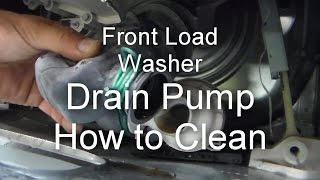
To confirm a bad drain pump, run a drain cycle and listen—no noise usually means pump failure; if there's noise but no flow, remove the pump and check/clear the impeller for debris.
Frequently Asked Questions
How do I reset my Samsung WA45N3050 washer?
Basic reset: unplug the washer or switch off the breaker for 60 seconds, then restore power. This clears many transient errors. For service-mode resets follow the service manual button sequence (check the manual or manufacturer service sheet).
How much will common repairs cost for this model?
Typical costs (parts + labor) vary: drain pump replacement $80–$200, lid lock $50–$150, motor/inverter $200–$500, control board $150–$400, suspension/bearings $150–$600 (bearings/tub is on the high end). Exact pricing depends on local labor rates and part source—get quotes before committing to major repairs.
Related How-To Videos
Real DIY Repair Stories
Be the first to share your repair story!
Share Your Repair Story
Your experience helps other homeowners fix their appliances. Tell us how it went!
Can't Fix It Yourself? Find a Local Technician
It's perfectly okay to call a professional. Some repairs require specialized tools, deep teardowns, or dealing with complex systems that are better left to the pros.

Find the Right Part for Your Appliance
Don't guess — search your exact appliance model number at ProsourceParts.com to find the correct OEM compatible replacement part. They offer fast free shipping, guaranteed fit, and thousands of parts in stock.
Your Free Parts Videos
Whether your dishwasher won't drain, your dryer stopped heating, or your fridge isn't cold, we've created simple repair guides for the most common appliance problems homeowners face. Each guide explains what's going wrong, the most likely causes, and which replacement parts fix the issue. When you're ready to order, we link directly to ProsourceParts.com where you can search by model number and get the right part shipped fast.