
Samsung WA45N3050A Washer — Common Problems and Step-by-Step Repairs
Need the replacement part? Search your model number at for guaranteed fit and fast free shipping.
Understanding the Problem
Brief overview: The Samsung WA45N3050A (also sold as WA45N3050AW/WA4 series) is a 4.5 cu ft top-load washer. Typical issues on this model are failure to drain, failure to spin, loud noises or vibration, leaks, and control/display errors. Below are step-by-step diagnostic and repair instructions for the most common faults and exactly how to fix them. 1) Washer Does Not Drain / Water Stays in Tub - Symptoms to check first: water in tub after cycle, motor runs but water stays, or error code related to drain. - Steps to diagnose: 1. Turn washer off, unplug and shut off water. Remove access to the lower front panel (or rear panel depending on cabinet) to reach the drain pump area. 2. Inspect drain hose at the back: ensure it is not kinked or blocked and the standpipe is clear. 3. Remove any clamps and detach the drain hose from the pump (have towels/ bucket ready) and check for debris, coin, sock, or lint clog. 4. Check the pump inlet and impeller for obstructions — spin the impeller by hand; it should move freely. 5. If the pump impeller is jammed, remove foreign object; if the impeller is broken or the pump hums but doesn't move water, the pump needs replacement. 6. Test pump electrically: set a multimeter to continuity/ohms and check pump motor terminals (expect a few ohms; open/infinite = failed). Some pumps are AC — you can also briefly test by applying power only if you are experienced and take safety precautions. - How to fix: - Clean blockages in hose/tub/pump. Replace the drain pump if impeller or electrical test fails (see parts below). Reassemble hoses, restore power and run a drain/spin test cycle. 2) Washer Won't Spin or Agitate Properly - Symptoms: washer fills and drains but won’t spin, or clothes are very wet after cycle. - Steps to diagnose: 1. Confirm load is not heavily unbalanced — remove some items and try a smaller load. 2. Check for error codes on the display; codes can indicate lid lock or motor issues. 3. Inspect the lid lock/latch assembly: if the washer thinks the lid is open it won't spin. Manually actuate the latch and observe if the control recognizes it. 4. Listen for motor hum or attempt to turn the tub by hand. If tub is hard to rotate, suspension/shock or clutch could be at fault. 5. Inspect drive components: belt (if present), coupling/clutch (some Samsung top-load models use a clutch and motor coupling), and motor mounts. - How to fix: - Replace a faulty lid lock/latch if the washer won’t lock. Replace a worn clutch or motor coupling if slipping. Replace the belt if visibly worn or broken. If motor shows no continuity or stalls, replace the drive motor. 3) Loud Noise or Heavy Vibration - Symptoms: banging, grinding, or loud rumble during agitate/spin. - Steps to diagnose: 1. Make sure washer is level and feet tightened to the floor. Balance the load. 2. Inspect underside of tub for foreign objects (coins, pins) lodged between tub and outer tub. 3. Check shock absorbers/suspension springs for wear or breakage; top-load Samsung models use suspension components that wear out over time. 4. Check the tub bearings by spinning the tub by hand; grinding or resistance indicates bearing failure. - How to fix: - Remove foreign objects. Replace worn shock absorbers or suspension rods. If bearings are bad, replace tub bearing assembly (this is a major repair — consider professional service). 4) Leaks - Symptoms: water on floor during or after cycles. - Steps to diagnose: 1. Identify where water is originating: front, back, bottom. Run a short fill and watch. 2. Inspect inlet hoses and clamps, internal hoses (hose clamps at pump and tub), pump seals and tub seals. 3. Inspect detergent drawer (if applicable) and detergent lines for overflow or leaks. - How to fix: - Tighten or replace leaking hoses/clamps. Replace the water inlet valve if leaking. Replace the pump if leaking from pump housing. Replace tub seal or outer tub if required. 5) Control / Error Codes / Washer Won't Start - Symptoms: display errors (eg. dE, LE, UE, etc.), washer unresponsive, or cycles stop midway. - Steps to diagnose: 1. Note any error codes and consult the owner manual for code meaning — many common codes indicate lid lock (dL/dE), load imbalance (UE), or water-level/pressure issues. 2. Perform a power cycle: unplug 1 minute, plug back in, try a different cycle. 3. Inspect door/lid lock, water level pressure hose and pressure switch, and electronic control board connections for loose or burned connectors. 4. If multiple unrelated functions fail, the main control board or user interface (console) may be faulty. - How to fix: - Replace lid lock or pressure switch for related codes; replace main control board or UI board if diagnostics point there. Safety note: Always unplug the washer and shut off water before working on it. Use gloves and eye protection. If you must apply power during testing, be extremely careful and avoid touching live terminals; if you are not comfortable or the repair requires disassembling the tub or replacing electronics, consider hiring a qualified appliance technician. Verify any replacement part number against your exact model (WA45N3050A/WA45N3050AW) before ordering.
Common Symptoms
Won't drain, won't spin, loud noises during spin, water leaks, error codes on display, washer won't start or stops mid-cycle.
Common Causes
- Clogged or failed drain pump or blocked drain hose
- Faulty lid lock/door latch or control board communication error
- Worn suspension/shock absorbers, clutch or motor coupling causing noise or no-spin
Popular Parts That Fix This Problem
These are the most common replacement parts that fix this problem. When you're ready to order, click below to find the right part at ProsourceParts.com — just search by your appliance model number for a guaranteed fit.

Helpful Repair Tip
Confirm the faulty part by reproducing the symptom, checking for visual damage and testing electrically with a multimeter (continuity/resistance). For drain problems, remove the drain pump hose and check for debris before ordering a new pump.
Frequently Asked Questions
How do I know if the drain pump is bad or just clogged?
First, remove the drain hose and check for visible blockages. Access the pump and inspect the impeller — if it's jammed or broken, replace the pump. Use a multimeter to check for continuity at the pump motor terminals; an open circuit indicates failure. If the pump hums but doesn't move water and isn't jammed, it's usually defective and should be replaced.
Can I replace the lid lock or drain pump myself?
Yes — both are commonly user-replaceable on the WA45N3050A with basic hand tools. Always unplug the washer and shut off water. For the lid lock you typically remove the control console or top panel to access the latch wiring and screws. For the drain pump, remove the lower access panel, drain residual water, disconnect hoses and wiring, then swap the pump. Verify part compatibility with your exact model and follow step-by-step guides or photos for reference.
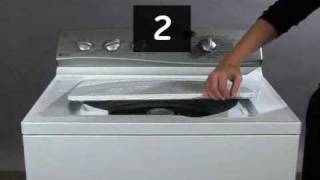
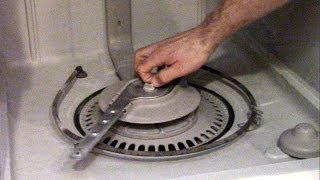
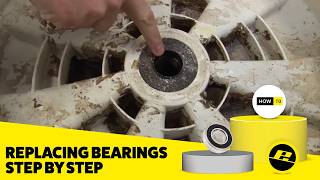
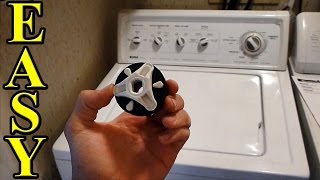
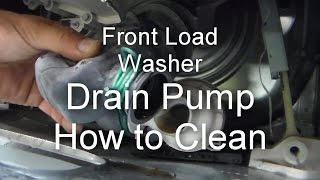
Related How-To Videos
Real DIY Repair Stories
Be the first to share your repair story!
Share Your Repair Story
Your experience helps other homeowners fix their appliances. Tell us how it went!
Can't Fix It Yourself? Find a Local Technician
It's perfectly okay to call a professional. Some repairs require specialized tools, deep teardowns, or dealing with complex systems that are better left to the pros.

Find the Right Part for Your Appliance
Don't guess — search your exact appliance model number at ProsourceParts.com to find the correct OEM compatible replacement part. They offer fast free shipping, guaranteed fit, and thousands of parts in stock.
Your Free Parts Videos
Whether your dishwasher won't drain, your dryer stopped heating, or your fridge isn't cold, we've created simple repair guides for the most common appliance problems homeowners face. Each guide explains what's going wrong, the most likely causes, and which replacement parts fix the issue. When you're ready to order, we link directly to ProsourceParts.com where you can search by model number and get the right part shipped fast.