
Samsung RTW4340SQ0 Refrigerator — Common Problems & Repair Steps
Need the replacement part? Search your model number at for guaranteed fit and fast free shipping.
Understanding the Problem
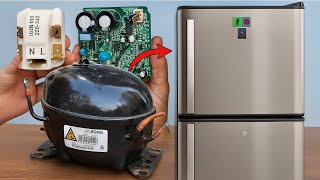
What this entry covers: RTW4340SQ0 is a Samsung refrigerator model (RTW-series). The most frequent problems owners see are: refrigerator or freezer not cooling, excessive frost/icing, water leaking, noisy operation, and ice maker or dispenser failures. Below are prioritized diagnostic checks and step-by-step repair instructions for each major symptom. Follow them in order — start with the simplest checks and move to electrical/mechanical parts only after basic items are ruled out. 1) Refrigerator/Freezer Not Cooling or Poor Cooling 1.1 Quick checks: confirm power is on, controls set to correct temperature, interior lights operate, and the condenser coils are clean. Check for heavy food loads or blocked vents. 1.2 Check airflow: remove drawers and feel for airflow from evaporator vents in both compartments with the door closed briefly (or a hand placed near vents when unit runs). No airflow suggests fan or evaporator problem. 1.3 Listen/feel for compressor: compressor (back bottom) should be warm and humming when cooling; if completely silent and warm, start relay or compressor may be bad. If humming but not running, check start relay/overload. 1.4 Diagnostics with a multimeter (unplug first): test the evaporator fan motor and condenser fan for continuity; test thermistor/temperature sensors for expected resistance values (refer to service manual for values). Test start relay for continuity and signs of burn or oil residue. 1.5 Common fixes: clean coils and condenser fan; replace evaporator or condenser fan motor if dead/noisy; replace start relay/overload assembly if compressor won’t start; replace thermistor/temperature sensor if readings are out of range; if compressor locked or leaking refrigerant, call a certified technician. 2) Freezer Frosts Up Excessively or Ice Build-up 2.1 Quick check: door seal/gasket — inspect for gaps, tears, or debris preventing seal. A poor seal lets humid air in and causes frost. 2.2 Defrost system checks: if gasket ok, test defrost heater, defrost thermostat (or bi-metal), and defrost control/timer. If defrost components fail, frost on evaporator will build up and restrict cooling. 2.3 Diagnostics: visually inspect evaporator coil for heavy frost; access defrost heater and use a multimeter to test continuity on heater and defrost thermostat. If either open/failed, replace it. 2.4 Repair: replace failed defrost heater, defrost thermostat/thermistor or defrost control. After replacement, manually initiate defrost (if possible) to confirm operation. 3) Water Leaks (inside or under fridge) 3.1 Quick checks: is water supply line to ice maker/water dispenser snug and leak-free? Check the water line connection and shutoff valve. 3.2 Internal drain checks: blocked defrost drain is a very common cause — water from defrost collects and overflows onto floor if drain is clogged with debris/ice. Remove the drain plug, clear the drain with warm water or use a turkey baster to flush. 3.3 Ice maker or dispenser valve: inspect water inlet valve (solenoid) for leaks. Replace valve if leaking or if dispenser not filling properly. 3.4 Repair steps: turn off water and power, clear/flush the drain tube, replace water inlet valve if leaking, and replace cracked or damaged water lines. 4) Ice Maker Not Making Ice or Not Harvesting 4.1 Confirm water supply is on and water pressure is adequate. Check ice maker power (arm position or on/off switch). 4.2 Test the ice maker module: use a multimeter to check for continuity and for 120VAC at the module during a harvest cycle (unplug to test continuity first). Replace the ice maker assembly or the ice maker control/module if defective. 4.3 Check water inlet valve: if it does not open when ice maker calls for water, replace the water inlet valve. 5) Noisy Operation (Humming, Clicking, Rattling) 5.1 Source check: identify location of noise — back (compressor/relay), bottom/front (condenser fan), inside (evaporator fan), or doors (hinges/drawers). 5.2 Fan motors: evaporator fan and condenser fan commonly fail, making grinding or rattling noises; replace defective fan motors and clean fan blades. 5.3 Start relay clicking: a failing start relay can click repeatedly as it tries to start the compressor — replace relay/overload assembly. Safety note: Always unplug the refrigerator and shut off the water supply before performing electrical or internal component checks. When working around the sealed refrigerant system or the compressor, call a certified HVAC/R technician — do not attempt to access or repair the sealed system yourself.
Common Symptoms
Refrigerator or freezer not cooling, excessive frost buildup, water leaking under fridge, ice maker not producing, compressor clicking or failing to run, loud fan noises.
Common Causes
- Blocked/dirty condenser coils or obstructed airflow
- Failed evaporator or condenser fan motor
- Defrost system failure (heater, thermostat, or control)
- Faulty start relay/overload or sealed system failure (compressor/refrigerant leak)
- Clogged defrost drain or leaking water inlet valve
Popular Parts That Fix This Problem
These are the most common replacement parts that fix this problem. When you're ready to order, click below to find the right part at ProsourceParts.com — just search by your appliance model number for a guaranteed fit.

Helpful Repair Tip
Begin by cleaning condenser coils and checking door seals; then listen to locate the noise and use a multimeter to check continuity on evaporator/condenser fan motors, thermistors, and the start relay before replacing major components.
Frequently Asked Questions
How do I know if the compressor or the start relay is bad?
If the compressor is hot and there is a humming or rapid clicking sound but it won't start, the start relay/overload is a likely suspect—inspect it for burnt spots or oil residue and test continuity with a multimeter. If the relay repeatedly clicks and replacing it does not allow the compressor to run, the compressor itself may be seized or the sealed system may have failed; that requires a certified technician.
Can I fix a clogged defrost drain myself?
Yes—most owners can. Unplug the fridge, remove drawers to access the freezer drain, and flush the drain opening with warm water using a turkey baster or a small funnel. If ice is blocking the drain, carefully melt it with warm (not boiling) water. If the clog is further down, a long flexible drain brush or compressed air (low pressure) can help. If leaks persist after clearing the drain, inspect the drain pan and water tube for damage or misrouting.
Related How-To Videos
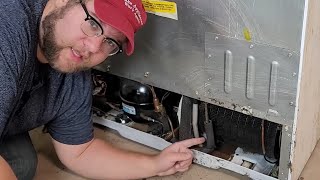
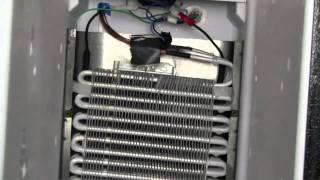
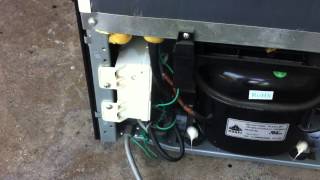
Real DIY Repair Stories
Be the first to share your repair story!
Share Your Repair Story
Your experience helps other homeowners fix their appliances. Tell us how it went!
Can't Fix It Yourself? Find a Local Technician
It's perfectly okay to call a professional. Some repairs require specialized tools, deep teardowns, or dealing with complex systems that are better left to the pros.

Find the Right Part for Your Appliance
Don't guess — search your exact appliance model number at ProsourceParts.com to find the correct OEM compatible replacement part. They offer fast free shipping, guaranteed fit, and thousands of parts in stock.
Your Free Parts Videos
Whether your dishwasher won't drain, your dryer stopped heating, or your fridge isn't cold, we've created simple repair guides for the most common appliance problems homeowners face. Each guide explains what's going wrong, the most likely causes, and which replacement parts fix the issue. When you're ready to order, we link directly to ProsourceParts.com where you can search by model number and get the right part shipped fast.