
Samsung RS277ACBPXAA-00 Refrigerator — Common Problems & What Parts Fix Them
Need the replacement part? Search your model number at for guaranteed fit and fast free shipping.
Understanding the Problem
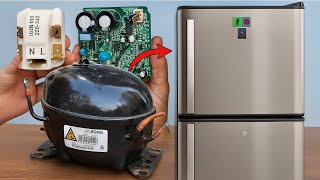
Brief explanation: This guide covers the most common issues owners see with Samsung models like RS277ACBPXAA-00 — poor or no cooling, uneven temps between compartments, ice maker and water dispenser failures, excessive frost, and unusual noises. Below are focused diagnostic and repair steps for each problem so you can locate the faulty part and either replace it or decide to call a pro. 1) Refrigerator Not Cooling or Running Constantly 1. Verify basics: confirm fridge is plugged in, temperature set correctly (fridge ~37°F/3°C, freezer ~0°F/-18°C), and power has not been interrupted. 2. Check vents: remove food blocking internal vents between fridge and freezer. Restricted airflow commonly causes warm fridge and cold freezer. 3. Condenser & compressor check: unplug unit, pull it away from the wall, inspect condenser coils for dust/debris. Clean coils with brush/vacuum. While plugged in, listen for the compressor (back bottom) humming and for the condenser fan running. If compressor is hot and silent or the condenser fan is not spinning, proceed to step 4. 4. Evaporator & fan check (freezer): open the freezer and run frost inspection. Put a flashlight on the evaporator cover, or remove the evaporator cover per your model instructions. If the evaporator is heavily frosted or iced, the defrost system may have failed (defrost heater, thermostat/DFT, or control board). If the evaporator fan does not run when the compressor runs, replace the evaporator fan motor. 5. Control & sensors: use a multimeter to test temperature sensors (thermistors) for continuity/resistance per factory values (values vary by model). If sensors read out of range the main board may be making incorrect decisions. 6. Sealed system: if compressor runs, fans run, coils are clean and no frost on evaporator, but temperatures stay high, you may have a refrigerant leak or sealed-system problem — this requires a certified refrigeration technician. How to fix: clean coils, replace faulty condenser or evaporator fan motors, replace defrost components (heater, defrost thermostat/DFT, or defrost control) if frost is present, and replace main control board or thermistors only after validating readings. For sealed system leaks call a certified tech. 2) Freezer or Fridge Too Cold / Ice Build-up 1. Check temp settings and door gaskets for a tight seal. Use a dollar bill to test gasket seal in several spots. 2. If frost builds on the evaporator or inside the fridge, test the defrost heater circuit and defrost thermostat/bi-metal (DFT) for continuity with a multimeter. Replace if open when cold. 3. If defrost components OK, test the defrost control (often part of the main board). Replace the main control board if it fails to initiate defrost cycles. How to fix: replace failed defrost heater, defrost thermostat/DFT, or control board; defrost manually to clear ice before testing. 3) Ice Maker Not Making Ice or Slow Ice Production 1. Confirm water supply: ensure the water inlet valve is open and the line to the refrigerator is not kinked. 2. Check water pressure and inlet valve: low household water pressure or a failing water inlet valve will limit fill. Replace the valve if it does not open electrically or is clogged. 3. Inspect ice maker: manually advance the ice maker through its harvest cycle (refer to service manual). If motor does not run or heater does not cycle, replace the ice maker assembly or motor module. 4. Check fill tube and filter: a clogged water filter or frozen/blocked fill tube will prevent ice production. Replace filter and thaw the fill tube if frozen. How to fix: replace water inlet valve, ice maker assembly, or water filter as indicated. Verify fill and harvest cycles after replacement. 4) Water Dispenser Not Working or Leaking 1. Check the water line at the back and the shutoff valve under the sink; ensure the refrigerator water line is pressurized and valve open. 2. Replace the water filter if old; a clogged filter restricts flow. Bypass the filter to test flow. 3. If no flow, test the water inlet valve solenoid for continuity; replace valve if solenoid is open or valve does not allow water through under electrical activation. 4. If leaking at dispenser, check internal tubing and connections; tighten or replace the cracked tubing or quick-connect fittings. How to fix: replace water inlet valve, filter head, or cracked tubing; reseat quick-connect fittings. 5) Excessive Noise (Humming, Clicking, Rattling) 1. Identify noise source: compressor (back bottom), condenser fan (rear base), evaporator fan (freezer cabinet), or water valve (during fill). 2. If fan motors wobble or bearings are bad, you'll hear grinding/rumbling — replace the fan motor and blade. 3. If the compressor clicks on/off rapidly, check start relay/overload; replace relay or compressor per diagnosis (compressor replacement requires a pro). How to fix: replace faulty fan motors, fan blades, start relay/overload; call a refrigeration technician for compressor replacement. Safety note: Always unplug the refrigerator or switch off the breaker before accessing electrical components. When working on sealed-system components (compressor, refrigerant lines), stop and call a certified HVAC/refrigeration technician — those repairs require specialized equipment and licensing. Use proper PPE (gloves, eye protection) and follow lockout procedures.
Common Symptoms
Fridge warm but freezer cold, excessive frost/ice buildup, no ice or slow ice production, weak/no water dispenser flow, loud humming or rattling noises, error codes on display.
Common Causes
- Blocked airflow between freezer and fridge or dirty condenser coils
- Failed evaporator or condenser fan motor, faulty defrost system, or bad thermistor/control board
- Water supply issues, clogged filter, or failing water inlet valve
Popular Parts That Fix This Problem
These are the most common replacement parts that fix this problem. When you're ready to order, click below to find the right part at ProsourceParts.com — just search by your appliance model number for a guaranteed fit.

Helpful Repair Tip
To confirm a fan or motor is faulty: open the freezer door, block the evaporator fan with a non-conductive object briefly (while running) — if cooling performance changes or the sound disappears, that fan is the likely culprit. For electrical parts, measure continuity with a multimeter before replacing.
Frequently Asked Questions
Where do I find the exact model and part numbers to order replacements?
Open the refrigerator door and look for the model tag — common locations are on the inner wall of the fresh food compartment (left or right), along the door frame, or on the ceiling of the fridge compartment. The tag lists the full model and serial numbers. Use those identifiers when ordering parts or consult the manufacturer's parts lookup to ensure compatibility.
Can I replace the compressor or repair refrigerant leaks myself?
No — sealed-system repairs (compressor replacement, refrigerant charging, brazing lines) require certified refrigeration technicians with specialized tools and refrigerant-handling certification. Attempting sealed-system repairs without proper equipment and certification is unsafe and often illegal. For other parts like fans, valves, ice maker modules, and control boards, a competent DIYer can typically perform replacements following safety steps.
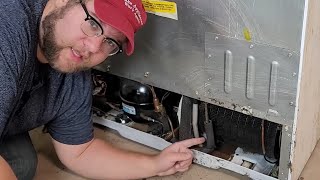
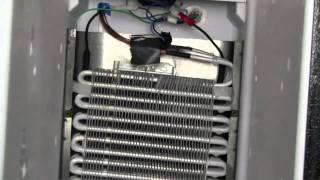
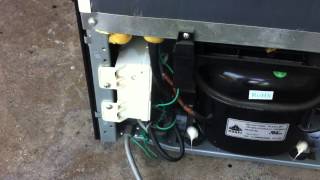
Related How-To Videos
Real DIY Repair Stories
Be the first to share your repair story!
Share Your Repair Story
Your experience helps other homeowners fix their appliances. Tell us how it went!
Can't Fix It Yourself? Find a Local Technician
It's perfectly okay to call a professional. Some repairs require specialized tools, deep teardowns, or dealing with complex systems that are better left to the pros.

Find the Right Part for Your Appliance
Don't guess — search your exact appliance model number at ProsourceParts.com to find the correct OEM compatible replacement part. They offer fast free shipping, guaranteed fit, and thousands of parts in stock.
Your Free Parts Videos
Whether your dishwasher won't drain, your dryer stopped heating, or your fridge isn't cold, we've created simple repair guides for the most common appliance problems homeowners face. Each guide explains what's going wrong, the most likely causes, and which replacement parts fix the issue. When you're ready to order, we link directly to ProsourceParts.com where you can search by model number and get the right part shipped fast.