
Samsung RF28R7351SRAA-00 — Common Problems & How to Diagnose & Fix Them
Need the replacement part? Search your model number at for guaranteed fit and fast free shipping.
Understanding the Problem
This guide covers the most common problems owners report with the Samsung RF28R7351SRAA-00 French-door refrigerator (cooling loss, ice maker/water dispenser failures, unusual noises, leaks) and gives step-by-step diagnostic and repair actions. Follow the numbered sections for each symptom; each section lists the parts to check first and practical "how to fix" steps. 1) Refrigerator or Freezer Not Cooling Properly 1. Verify basic settings: confirm fridge and freezer temperature setpoints (fridge ~37°F / 3°C; freezer ~0°F / -18°C). Check that "Power Cool" / "Power Freeze" modes are not accidentally active. 2. Check airflow & door seals: ensure vents inside fridge/freezer are not blocked by food and door gaskets seal properly. Inspect and clean gaskets if dirty. 3. Clean condenser coils: unplug the fridge, pull it out, and vacuum the condenser coils and the area around the compressor. Dirty coils reduce cooling performance. 4. Check condenser fan & evaporator fan: with power on (careful), listen for fans. If condenser fan near compressor or evaporator fan in freezer is not running, remove appropriate access panels and inspect for debris. Test fan motors for 120V (or appropriate voltage) and for continuity with a multimeter. Replace if dead. 5. Inspect evaporator for frost: remove the freezer back panel. If the evaporator is heavily frosted/iced, the defrost system (defrost heater, defrost thermostat, or defrost control) may have failed. Test the defrost heater for continuity and test thermistor/thermostat resistance. 6. Test compressor & start relay: listen—if the compressor is not running or is clicking repeatedly, the start relay or overload may be failing. Remove the relay and test/replace it. If compressor does not run with a known-good relay, call a certified tech (compressor replacement requires refrigeration service). 7. Verify thermistors/temperature sensors: measure resistance of fridge/freezer thermistors (typically NTC — resistance changes with temperature). If values are out of expected range, replace sensor. 8. If defrost system tests fail: replace defrost heater / defrost thermostat or control board as indicated. Safety note: Always disconnect power before accessing electrical components and follow EPA/local rules if refrigerant service is required. 2) Ice Maker Not Producing Ice or Makes Small/No Ice 1. Confirm ice maker is turned ON and the ice bin is properly seated. Check the control arm (if present) is down. 2. Check water supply: verify water shut-off valve is open and there is good water pressure to the fridge. If there is an inline valve or filter, replace the filter if it's overdue (clogged filter reduces flow). 3. Inspect fill tube for freeze: a frozen fill tube between the water valve and mold can block water. Thaw the tube with a hair dryer on low (careful) after disconnecting power. 4. Test water inlet valve: operate the ice maker fill cycle (or manually actuate) and check if the valve opens and water flows. If valve does not open or flows weakly, replace the water inlet valve. 5. Test ice maker module and motor: if the ice maker does not cycle, test for voltage at the ice unit when it should fill/cycle; if voltage present but motor not turning, replace the ice maker assembly. 6. Check water filter: a severely clogged filter will reduce fill — replace filter and try again. Safety note: Turn the ice maker off and shut off water supply before removing or replacing the water valve or ice maker assembly. 3) Water Dispenser Not Working or Slow/No Flow 1. Check water filter status and replace if past recommended service interval. 2. Confirm water supply valve is fully open and tubing is not kinked. 3. Test dispenser switch/actuator: with an assistant pressing the dispenser, verify the dispenser control sends power to the solenoid; if not, test the switch and board connections. 4. Test the water inlet valve: if the valve does not open under dispenser demand, replace it. 5. Check for frozen water reservoir/tube: thaw with air (after unplugging) if the reservoir is frozen. Safety note: Turn off water supply before replacing valves or filter housings. 4) Loud or Unusual Noises 1. Identify noise source: compressor area (deep vibration/humming), condenser fan (rattling), evaporator fan (squeal or rattle), water valve (buzzing when filling), or ice maker (clunking when ejecting). 2. Inspect and secure loose items and panels. Clean and inspect fans—replace fan motor or blade if damaged. 3. If compressor makes loud knocking or grinding, contact a technician — compressor repairs require refrigerant handling. Safety note: Do not run the refrigerator with major compressor or sealed-system failures; call a licensed technician. 5) Water Leak Inside or Under Fridge 1. Check door gasket and level: a poor seal or an out-of-level fridge can cause condensation or pooling. 2. Inspect defrost drain: remove the drip pan and check the defrost drain funnel and tube for clogs; clear clogs with warm water and a pipe cleaner. 3. Check water supply line and filter housing for loose connections or cracks; tighten or replace parts as needed. Safety note: Turn off water supply and unplug before working on water connections. If you still can't find the issue after these steps, capture the model and serial numbers on the service sticker (inside the fridge) and contact a certified Samsung technician. Safety note (final): Always unplug the refrigerator before disassembling panels or testing internal components. For refrigerant or compressor work, use an EPA-certified appliance technician.
Common Symptoms
Fridge or freezer not cold, weak or no ice production, water dispenser slow or not working, loud buzzing or rattling noises, water pooling under appliance.
Common Causes
- Blocked airflow or dirty condenser coils reducing heat transfer
- Failed evaporator fan, condenser fan, start relay, or compressor
- Clogged water filter/valve or frozen fill tube affecting ice maker & dispenser
Popular Parts That Fix This Problem
These are the most common replacement parts that fix this problem. When you're ready to order, click below to find the right part at ProsourceParts.com — just search by your appliance model number for a guaranteed fit.

Helpful Repair Tip
To quickly confirm a failed fan or motor: open the freezer, run the fridge, and if the compressor runs but there is no airflow from the evaporator area and the evaporator is cold, the evaporator fan motor is likely bad — test it for continuity or replace.
Frequently Asked Questions
How do I reset my Samsung RF28R7351SRAA-00 refrigerator?
Basic reset: unplug the refrigerator or switch off the breaker for 2–5 minutes, then restore power. That clears many temporary faults. For settings, consult your user manual for specific control-panel resets. If an error code persists after power cycling, write down the code and contact Samsung support or a service technician.
Can I replace the compressor or refrigerant components myself?
No. Compressor and sealed-system work involves refrigerant and specialized tools and must be performed by a qualified, EPA-certified refrigeration technician. Attempting compressor or refrigerant repairs yourself is dangerous and may violate local regulations. Replace user-serviceable parts (fans, valves, filters, ice maker modules) yourself only if comfortable with basic electrical work and after disconnecting power.
Related How-To Videos
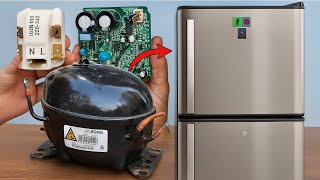

Real DIY Repair Stories
Be the first to share your repair story!
Share Your Repair Story
Your experience helps other homeowners fix their appliances. Tell us how it went!
Can't Fix It Yourself? Find a Local Technician
It's perfectly okay to call a professional. Some repairs require specialized tools, deep teardowns, or dealing with complex systems that are better left to the pros.

Find the Right Part for Your Appliance
Don't guess — search your exact appliance model number at ProsourceParts.com to find the correct OEM compatible replacement part. They offer fast free shipping, guaranteed fit, and thousands of parts in stock.
Your Free Parts Videos
Whether your dishwasher won't drain, your dryer stopped heating, or your fridge isn't cold, we've created simple repair guides for the most common appliance problems homeowners face. Each guide explains what's going wrong, the most likely causes, and which replacement parts fix the issue. When you're ready to order, we link directly to ProsourceParts.com where you can search by model number and get the right part shipped fast.