
Samsung RF28R7351SRAA-00 Repair Guide — Common Problems, Parts & How to Fix Them
Need the replacement part? Search your model number at for guaranteed fit and fast free shipping.
Understanding the Problem
This guide covers the most common problems owners encounter with the Samsung RF28R7351SRAA-00 French-door refrigerator (cooling issues, ice/water dispenser failures, leaks, unusual noises, frost buildup and control/display faults) and gives step-by-step diagnostic and repair instructions you can use to identify the faulty part and fix it. Follow the numbered diagnostics below for each symptom and use the repair steps to correct the issue. Always verify your refrigerator’s model and serial number before ordering parts. 1) Refrigerator Not Cooling (fridge warm, freezer OK or both warm) 1. Check basics: confirm temperature settings (fridge 37°F/3°C, freezer 0°F/-18°C). Make sure doors close completely and there is no heavy frost or ice blocking airflow. 2. Listen: is the compressor running? Can you hear the fans (evaporator & condenser)? If compressor is off and display shows error codes, note them. 3. Clean condenser coils: unplug the fridge, pull from wall, vacuum or brush the bottom/back coils and the condenser fan area. Dirty coils reduce cooling capacity. 4. Check condenser fan motor (back/bottom): with power on and door closed, verify the condenser fan runs. If not, test for 120VAC (or DC depending on model) at fan connector and replace fan motor if no power at motor but board provides voltage, or replace motor if plugged-in but not spinning. 5. Check evaporator fan (inside freezer): open freezer and listen or test with a small piece of paper. If the freezer still gets cold but the fridge is warm, evaporator fan is a common failure. Replace if not running. 6. Check frost on evaporator: remove interior back panel of freezer (power off first) and inspect evaporator coils for heavy frost/ice indicating a defrost system fault (defrost heater, thermostat, or control board). If frost present, run a manual defrost (unplug for 24 hours or use a hair dryer carefully) then test defrost components. 7. Defrost system test: with multimeter, test continuity of defrost heater and defrost thermostat/bi-metal. If heater or thermostat open, replace defective part. Also test defrost control (main board) if heater/thermostat OK but no defrost cycles. 8. Sealed system concerns: if compressor runs, fans run, coils are clean, and evaporator remains warm with no frost and warming persists, you may have a refrigerant leak/sealed-system failure. This requires a certified refrigeration technician — do not attempt to service the sealed system yourself. 2) Ice Maker Not Making Ice or Slow Ice Production 1. Confirm ice maker is turned on (switch or menu) and the ice bucket is properly seated. 2. Check water supply: ensure water valve to fridge is open and there is adequate water pressure. Try dispensing water — if water is weak or absent, troubleshoot water supply (valve, kinked tubing, filter). 3. Replace water filter if >6 months or if clogged (see water filter replacement steps below). A clogged filter reduces water flow to the ice maker. 4. Test the ice maker assembly: with the ice maker in test mode (refer to manual: often a test button or a sequence on the display), actuate the harvest cycle. If the motor/gear does not spin, test for voltage at the ice maker assembly; replace if motor/gear is dead. 5. Check inlet water valve: if ice maker is calling for water but valve does not open, test valve coil for continuity and verify voltage during fill cycle. Replace valve if defective. 6. If ice is forming but clumping or hollow: check freezer temperature (should be around 0°F). Also check water quality and filter. 3) Water Dispenser Not Working or Weak Flow 1. Confirm dispenser lock is off and the door switch activates when pressing the dispenser lever. 2. Replace the water filter (if old) then purge air by dispensing several glasses of water. 3. Check the water inlet valve and tubing for kinks or blockages behind the fridge. 4. If the dispenser paddle clicks but no water, test for voltage to the inlet valve when dispenser is pressed. If valve gets power but does not open, replace the valve. 5. If the dispenser control/pad does not register presses, inspect the dispenser control board and switch. Some models have a separate dispenser control board — replace if faulty. 4) Leaks (water on floor or inside drawer) 1. Determine source: back of fridge, interior bottom pan, dispenser area, or ice maker area. 2. If water leaks from dispenser, check the filter housing and water filter O-rings; reseat or replace the filter and o-rings. Drain lines can also clog or crack. 3. If water collects in the bottom pan and overflows, check that the defrost drain is clear: remove bottom drawer and use warm water or a plumber’s snake to clear the drain tube to the drip pan. Frozen drain is a common cause — ensure proper defrost operation. 4. Inspect the water inlet hose connections and the water valve for loose fittings or cracks. 5) Noisy Operation (loud humming, buzzing, clicking) 1. Identify source: compressor area (back bottom), evaporator fan (freezer evaporator), or condenser fan. 2. Turn off and unplug the fridge, then try to spin the fans manually — if fan blades wobble or motors feel rough, replace the fan motor and fan blade. 3. Compressor noise that changes suddenly or is excessively loud can indicate mechanical failure — consult a certified technician for compressor replacement. 6) Door Seal/Gasket Issues (cold air leaks, frost at door) 1. Inspect gasket for gaps, tears, or dirt. Clean with warm soapy water and inspect magnetism by closing a dollar bill between gasket and cabinet — if it pulls out easily, gasket may be weak. 2. Replace gasket if damaged or weak. 7) Touchscreen / Control Board Problems (Family Hub, display errors) 1. Soft reset: try unplugging the refrigerator for 1–5 minutes and plugging back in to reset the main board and panel. 2. Check for visible error codes on the display and consult Samsung error code documentation for that specific code. 3. If the display is unresponsive but the rest of the fridge works, you may need to replace the display/control panel or main control board. Step-by-step common repair examples (practical how-to): A) Replace water filter (DA29-00020B common replacement) 1. Locate filter: inside fresh-food compartment top-right (or behind grille) depending on sub-model. 2. Turn off water supply to fridge (recommended), press eject/release tab and pull out old filter. 3. Insert new filter aligning tabs, push until it clicks. Run several liters of water through dispenser to purge air and carbon fines. B) Replace evaporator fan motor (freezer fan) 1. Unplug fridge and remove all food from freezer. Remove shelves and evaporator cover (screws/clips) to access fan. 2. Disconnect fan wiring harness, remove fan motor and blade, install new motor and blade, reassemble. Restore power and confirm operation. C) Clear frozen defrost drain 1. Remove lower drawers and evaporator cover. Inspect drain trough and opening. 2. Use warm water or a turkey baster to flush the drain. If ice blockage remains, carefully apply warm water or a hair dryer (low setting) to melt ice (avoid overheating plastic). Ensure drain is clear down to the drain pan. D) Replace ice maker assembly 1. Power off refrigerator. Remove ice bin and unscrew the ice maker assembly. Disconnect wiring harness and water fill tube. 2. Install new ice maker, reconnect harness and fill tube, secure assembly, power on and test by running a harvest cycle (if available). Safety note: Always unplug the refrigerator or switch off the breaker before accessing internal components. If you suspect sealed-system (refrigerant) problems or compressor replacement, hire a licensed refrigeration technician — handling refrigerant requires EPA certification and specialized tools. When in doubt, document error codes and take photos before ordering parts.
Common Symptoms
Fridge not cooling (warm fridge/freezer), slow ice production or no ice, weak/no water dispenser, leaks from bottom, unusual noises, frost buildup in freezer, unresponsive Family Hub display.
Common Causes
- Dirty condenser coils or blocked airflow
- Failed evaporator or condenser fan motor
- Clogged water filter or faulty water inlet valve
- Defrost system failure (heater/thermostat/control)
- Sealed-system (refrigerant) leak or compressor failure
- Damaged door gasket or blocked drain causing leaks
- Faulty control board or display module
Popular Parts That Fix This Problem
These are the most common replacement parts that fix this problem. When you're ready to order, click below to find the right part at ProsourceParts.com — just search by your appliance model number for a guaranteed fit.

Helpful Repair Tip
For cooling problems, check whether the evaporator coil is frosted or completely dry: heavy frost points to a defrost failure (defrost heater/thermostat/board), while a warm/dry evaporator with running compressor suggests a sealed-system issue (requires pro service).
Frequently Asked Questions
How often should I change the water filter in my RF28R7351SRAA-00?
Change the water filter every 6 months under normal use, or sooner if you notice reduced flow, strange taste/odor, or the dispenser/ice maker performs poorly. Always use the correct filter for your model and run several liters of water through the dispenser after replacement to purge air and carbon fines.
My fridge shows an error code on the display. Should I replace the main control board?
First write down the exact code and consult Samsung’s error code list for your model. Many error codes point to specific components (sensors, fans, valves). Try a hard reset (unplug 1–5 minutes) and clear the code. If the code persists and points to a replaceable component (fan, sensor, water valve), test and replace that part first. Replace the main control board only after confirming other components and power supply are good, or when diagnostics explicitly indicate board failure.
Related How-To Videos
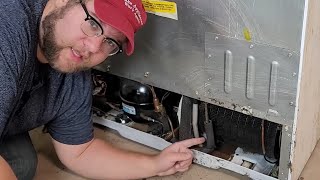
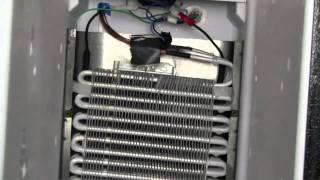
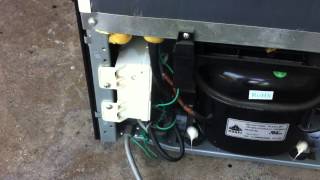

Real DIY Repair Stories
Be the first to share your repair story!
Share Your Repair Story
Your experience helps other homeowners fix their appliances. Tell us how it went!
Can't Fix It Yourself? Find a Local Technician
It's perfectly okay to call a professional. Some repairs require specialized tools, deep teardowns, or dealing with complex systems that are better left to the pros.

Find the Right Part for Your Appliance
Don't guess — search your exact appliance model number at ProsourceParts.com to find the correct OEM compatible replacement part. They offer fast free shipping, guaranteed fit, and thousands of parts in stock.
Your Free Parts Videos
Whether your dishwasher won't drain, your dryer stopped heating, or your fridge isn't cold, we've created simple repair guides for the most common appliance problems homeowners face. Each guide explains what's going wrong, the most likely causes, and which replacement parts fix the issue. When you're ready to order, we link directly to ProsourceParts.com where you can search by model number and get the right part shipped fast.