
Samsung RF28R6241SRAA-00 Not Cooling – What Part Fixes This Problem?
Need the replacement part? Search your model number at for guaranteed fit and fast free shipping.
Understanding the Problem
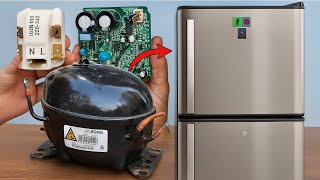
Brief explanation: The Samsung RF28R6241SRAA-00 may show cooling problems caused by airflow failures, a faulty evaporator or condenser fan, temperature sensors (thermistors), a failed compressor or start device, or a defrost system fault that causes frost build-up on the evaporator. Follow these numbered diagnostic and repair steps to identify the faulty component and fix it. 1) Confirm the symptom and collect data - Check both compartments: Is the freezer cold and the fridge warm, or are both warm? Is the compressor running? Are there abnormal noises? Note how long the unit has been running since you noticed the problem. - Set an accurate thermometer in both the fridge and freezer for at least 4–6 hours to confirm temperatures (fridge target 37°F/3°C, freezer target -2 to 0°F/-18°C). 2) Visual and basic checks (5–15 minutes) - Unplug the refrigerator or turn off power at the breaker before doing anything inside. - Inspect and clean the condenser coils (under or at the rear). Dirty coils reduce cooling performance. Use a brush and vacuum. - Make sure the fridge is level and there is adequate clearance for airflow at the back. 3) Check airflow and evaporator frost (10–30 minutes) - Remove interior panels in the freezer to access the evaporator. Look for heavy frost/ice build-up on the evaporator coil—this indicates a defrost failure. - With the unit off and panels removed, gently spin the evaporator fan blade by hand—if it’s obstructed or seized, it needs replacement. 4) Evaporator and condenser fan tests (multimeter and power checks, 15–30 minutes) - Restore power. Listen for the evaporator fan running when the compressor is on. If not running, check for 120VAC (or DC depending on model) at the fan connector with the fan connected (use caution). If voltage is present and the fan doesn’t run, replace the evaporator fan motor. - Check the condenser fan at the compressor/condenser assembly the same way. No airflow here means poor heat rejection and poor cooling. 5) Thermistor/temperature sensor checks (10–20 minutes) - Locate the thermistors (usually on evaporator and in the fresh food section). With power off, unplug the thermistor(s) and measure resistance with a multimeter at room temperature. Typical values around 10kΩ at 25°C are common—refer to service manual for exact spec. Large deviation or open circuit indicates a bad thermistor to replace. 6) Defrost system diagnostic (if evaporator iced) - If evaporator is iced over, test these parts: a) Defrost heater: measure continuity across heater. Open = bad heater. b) Defrost thermostat/NTC fuse: test continuity at cold temperatures and continuity at room temp depending on spec. c) Defrost control (in some models integrated on main board): if heater and thermostat are good but no defrost cycles, the control or main board may be at fault. - If defrost parts fail, replace the failed component(s), then perform an automatic or forced defrost cycle following the service manual to clear ice. 7) Compressor and start device tests (30–60 minutes) - Listen: if compressor attempts to start (clicking, humming) and then trips off, suspect a bad start relay/overload or failing compressor. With power off, unplug compressor start relay and test for continuity and visible burn marks. Replace the relay/overload assembly if faulty. - If new relay still results in compressor not running, measure voltage at compressor terminals (requires HVAC experience). If compressor is seized or drawing excessive current, it may need replacement or sealed-system service by a certified technician. 8) Control board and electronics - If fans, sensors, and defrost system test good but the fridge still misbehaves, inspect the main control board for burned components, bulging capacitors, or water damage. Replace the control board only after confirming other components are functional. 9) Repair and re-test - Replace the identified faulty part(s). Reassemble panels, restore power, and monitor temps over 24–48 hours. Ensure proper airflow inside the cabinet and that the unit cycles normally. Safety note: Always unplug the refrigerator or turn off the circuit breaker before performing inspections or tests. Use insulated tools and a quality multimeter. Sealed-system components (compressor, refrigerant) require certified HVAC technicians — do not attempt refrigerant repairs unless licensed. If you have any doubt about electrical or sealed-system work, hire a professional.
Common Symptoms
Fridge compartment warm while freezer is cold or both compartments warm; excessive frost on evaporator; strong running noise or clicking from compressor; weak/no air blowing inside compartments.
Common Causes
- Evaporator fan motor failed or obstructed (no airflow over evaporator)
- Defrost system failure causing coil icing (bad heater, thermostat, or control)
- Compressor or start relay failure (sealed system or start device issue)
Popular Parts That Fix This Problem
These are the most common replacement parts that fix this problem. When you're ready to order, click below to find the right part at ProsourceParts.com — just search by your appliance model number for a guaranteed fit.

Helpful Repair Tip
Confirm the evaporator fan first: open the freezer, power the fridge on, and listen—if the compressor runs but there's no cold airflow into the fridge and the freezer fan is silent, the evaporator fan motor is likely the culprit.
Frequently Asked Questions
How do I tell if the compressor is bad or just the start relay?
Listen and observe: a failing start relay often causes clicking and the compressor repeatedly trying to start (humming then stopping). If the compressor is hot and hardly starts even with a new relay, or it draws very high amperage, the compressor itself may be failing. Test the relay for continuity and resistance; replace the relay first (inexpensive). If the problem persists, have a certified tech test compressor windings and current draw — sealed-system work is not DIY.
Can I replace the evaporator fan or thermistor myself?
Yes — these are common DIY repairs. Unplug the refrigerator, remove interior panels to access the evaporator area, and replace the fan or thermistor with OEM or compatible parts. Take photos during disassembly for reassembly reference. Use a multimeter to confirm the new thermistor's resistance if needed. For any work involving refrigerant, the compressor, or sealed-system components, hire a licensed technician.
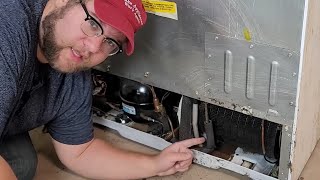
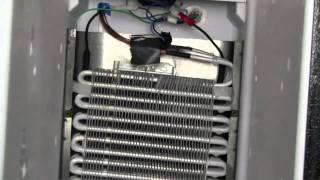
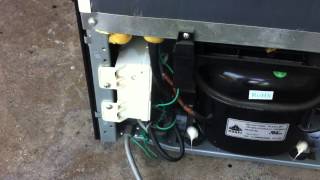
Related How-To Videos

Real DIY Repair Stories
Be the first to share your repair story!
Share Your Repair Story
Your experience helps other homeowners fix their appliances. Tell us how it went!
Can't Fix It Yourself? Find a Local Technician
It's perfectly okay to call a professional. Some repairs require specialized tools, deep teardowns, or dealing with complex systems that are better left to the pros.

Find the Right Part for Your Appliance
Don't guess — search your exact appliance model number at ProsourceParts.com to find the correct OEM compatible replacement part. They offer fast free shipping, guaranteed fit, and thousands of parts in stock.
Your Free Parts Videos
Whether your dishwasher won't drain, your dryer stopped heating, or your fridge isn't cold, we've created simple repair guides for the most common appliance problems homeowners face. Each guide explains what's going wrong, the most likely causes, and which replacement parts fix the issue. When you're ready to order, we link directly to ProsourceParts.com where you can search by model number and get the right part shipped fast.