
Samsung RF18HFENBSR Not Cooling — What To Check & How To Fix
Need the replacement part? Search your model number at for guaranteed fit and fast free shipping.
Understanding the Problem
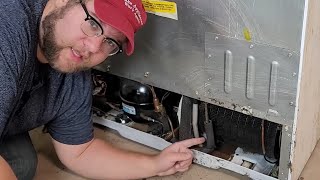
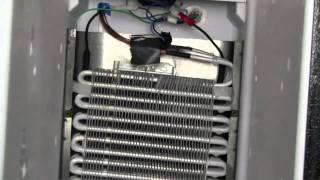
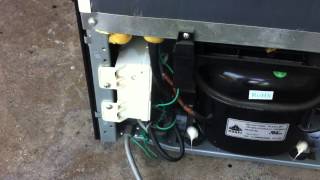
Brief explanation: The Samsung RF18HFENBSR is a multi‑door refrigerator that commonly develops cooling problems caused by airflow, defrost system failures, failed sensors, electronics, or a sealed‑system fault. The following diagnostics walk you from easy checks (settings, coils, fans) to electrical tests (sensors, defrost heater, control board). Follow the numbered steps to isolate the cause and practical repair steps to fix it. Diagnostic & repair steps: 1) Confirm the symptom and basic settings: - Verify both fridge and freezer temperature setpoints (usually 0–5°C fridge, −18°C freezer). If set incorrectly, restore to recommended settings. - Check for interior lights and display power. If the unit is completely dead, troubleshoot power first (outlet, breaker). 2) Check for airflow and obvious obstructions: - Remove all food blocking vents in the freezer and fridge. If vents are blocked, clear them and monitor temperatures 24 hours. - Inspect door gaskets for damage or gaps; replace if seals do not compress uniformly. 3) Inspect condenser and condenser fan: - Pull fridge forward, disconnect power, and vacuum dust from the condenser coils and the area around the compressor. Dirty coils reduce cooling. - With power on, listen for the condenser fan near the compressor. If noisy or not running, plan to replace the condenser fan motor. 4) Verify compressor operation and pressures (listen first): - With the fridge running, you should hear the compressor hum and feel low vibration. If the compressor is very hot and not running, the start device or compressor may be bad. Sealed‑system repairs require a licensed technician. 5) Check evaporator fan and frost pattern in the freezer: - Remove the freezer back panel (after disconnecting power) and inspect the evaporator coil. Even frost coverage is normal; heavy frost or a thick ice block indicates defrost failure. - With the door switch actuated, run the fridge and confirm the evaporator fan spins. If the fan does not run but the compressor runs, replace the evaporator fan motor. 6) Test the defrost system if you find heavy frost or ice buildup: - Locate the defrost heater and thermostat (behind the freezer back panel). With power off, test heater continuity with a multimeter. No continuity = replace defrost heater. - Test the defrost thermostat (bimetal) for continuity when cold. If open when it should be closed, replace thermostat. - If heater and thermostat test good, the defrost control (main PCB or defrost timer) may be failing and not commanding defrost. 7) Check thermistors (temperature sensors): - Thermistors (fridge and freezer) feed temperature to the control board. Remove sensor(s) and measure resistance at room temp — typical NTC thermistors are roughly 10kΩ at 25°C, but values vary. If a sensor reading is wildly off or open, replace it. 8) Look for error codes and test the main control board: - Check the display for error codes or enter the service diagnostics (refer to the model service manual). If the board does not respond or shows erratic behavior, the main control board (PCB) may need replacement. 9) Water/ice issues that affect cooling: - A frozen water line or leaking water can create frost in unintended places. Inspect the ice maker and water inlet valve for leaks. 10) When to call a sealed‑system tech: - If the compressor runs but evaporator is warm and there are no fan or defrost failures, the sealed refrigerant system may be leaking or the compressor may be weak. This requires professional HVAC/R service. Practical "how to fix" steps (examples): - Replace a noisy/failed evaporator fan: unplug fridge, remove freezer back panel, disconnect fan harness, unscrew motor, install new motor (match mount and rotation), reattach harness and panels, power on. - Replace defrost heater/thermostat: unplug fridge, remove freezer back panel, disconnect the heater and thermostat leads, unscrew or unclip assembly, install OEM replacement, reassemble and power on. Force a manual defrost cycle or monitor for 24–48 hours for frost to clear. - Replace thermistor: unplug, remove sensor from its clip/housing, disconnect harness, plug in new sensor, secure in same location, power up and check readings in diagnostics. - Clean condenser coils: unplug, access coils at rear/bottom, vacuum and brush away dust, reassemble, power on. Safety note: Always unplug the refrigerator before opening panels or testing with a multimeter. For any work involving refrigerant, compressor, or sealed system repairs, hire a licensed refrigeration technician. If you are not comfortable with electrical testing or working behind panels, consult a pro.
Common Symptoms
Fridge or freezer too warm; heavy frost on evaporator; evaporator fan not running; loud compressor or unusual noises; error codes or blinking display; water leak under fridge.
Common Causes
- Blocked or dirty condenser coils reducing heat rejection
- Evaporator fan motor failure stopping airflow across the coils
- Defrost system failure (defrost heater, thermostat, or control) causing ice buildup
- Faulty temperature sensors (thermistors) or control board misreading temps
- Sealed‑system problem (refrigerant leak, weak compressor) requiring HVAC/R service
- Door gasket failure or blocked vents preventing proper airflow
Popular Parts That Fix This Problem
These are the most common replacement parts that fix this problem. When you're ready to order, click below to find the right part at ProsourceParts.com — just search by your appliance model number for a guaranteed fit.

Helpful Repair Tip
To confirm a defrost failure quickly: pull the freezer back panel. If you see a thick, continuous ice skirt over the evaporator or a solid block of ice, the defrost heater/thermostat or defrost control is most likely the cause.
Frequently Asked Questions
How do I tell if the evaporator fan is bad or just blocked?
Open the freezer and listen with the door closed (use a helper to hold the door switch). If the compressor is running but you hear no airflow or a faint hum without spin, the evaporator fan motor is likely bad. Remove the freezer back panel (power off first) and try to spin the fan blade by hand — it should spin freely. If it doesn't spin freely, is noisy, or has no power when commanded, replace the fan motor.
Can I replace the compressor or repair refrigerant leaks myself?
No. Compressor replacement and refrigerant repairs are sealed‑system procedures that require specialized tools, vacuum/charge equipment, and refrigerant handling certification. These jobs must be performed by a licensed refrigeration technician. For safety, legal, and warranty reasons, call a pro for sealed‑system work.
Related How-To Videos

Real DIY Repair Stories
Be the first to share your repair story!
Share Your Repair Story
Your experience helps other homeowners fix their appliances. Tell us how it went!
Can't Fix It Yourself? Find a Local Technician
It's perfectly okay to call a professional. Some repairs require specialized tools, deep teardowns, or dealing with complex systems that are better left to the pros.

Find the Right Part for Your Appliance
Don't guess — search your exact appliance model number at ProsourceParts.com to find the correct OEM compatible replacement part. They offer fast free shipping, guaranteed fit, and thousands of parts in stock.
Your Free Parts Videos
Whether your dishwasher won't drain, your dryer stopped heating, or your fridge isn't cold, we've created simple repair guides for the most common appliance problems homeowners face. Each guide explains what's going wrong, the most likely causes, and which replacement parts fix the issue. When you're ready to order, we link directly to ProsourceParts.com where you can search by model number and get the right part shipped fast.