
Samsung Refrigerator Drain Problems — How to Diagnose & Fix (DA97-04049D / DA97-04049Q)
Need the replacement part? Search your model number at for guaranteed fit and fast free shipping.
Understanding the Problem
What this is and why it matters: The Samsung refrigerator drain (drain funnel and drain tube under the evaporator) carries defrost water from the freezer/fresh-food evaporator to the drain pan under the fridge. When it clogs with food debris, mold, or freezes, water backs up and pools in the bottom of the fresh-food section or under crisper drawers. Step-by-step diagnostics and repair: 1) Safety first: unplug the refrigerator or switch off the breaker before doing any work. Have towels handy for water. 2) Confirm the symptom: remove crispers/drawers and look for standing water or ice near the rear bottom of the fresh-food compartment. Shine a flashlight into the drain opening (usually a round hole or funnel at the rear wall floor of the compartment). 3) Quick test for a clog: pour about 1–2 cups of warm (not boiling) water into the drain opening. If the water stays in the cavity or overflows into the fridge instead of flowing into the drain pan under the refrigerator, the drain funnel/tube is blocked or frozen. 4) Clear a soft clog: use a turkey baster, plastic squeeze bottle, or a narrow flexible brush/pipe cleaner to push warm water into the drain opening and flush debris. Repeated flushing usually clears organic gunk. 5) If the drain is frozen: remove drawers and the back interior panel (freezer or fresh-food back depending on model) to expose the evaporator/funnel. Use a hair dryer on low heat or pour warm water over the frozen drain funnel to melt ice. Be careful to catch the runoff with towels and keep the dryer away from standing water. 6) If flushing won’t clear it or there’s a leak in the tube: access the drain tube. For many Samsung models the drain tube runs from the drain funnel through the cabinet to the drain pan. Remove the interior back panel (Phillips screwdriver) and locate the drain funnel and the flexible drain hose. Detach the drain hose from the funnel and from the bottom connection (may be clipped or pushed on). Inspect for cracks, splits, or hardened/blocked sections. 7) Replace the drain tube if damaged or irreversibly blocked: remove the old tube and install the correct replacement (e.g., DA97-04049D or DA97-04049Q). Route the new tube the same way, secure with the original clips or zip ties, ensure a gentle slope to the drain pan, and trim excess. 8) Test: plug the refrigerator back in, pour warm water into the drain opening and verify water flows into the drain pan under the fridge. Check under the refrigerator for dripping. 9) Reassemble panels, replace drawers, and dry any residual water. Tools and materials commonly needed: Phillips screwdriver, needle-nose pliers, turkey baster or squeeze bottle, small flexible brush/pipe-cleaner, towels, bucket, hair dryer (low heat), replacement drain tube (if required), zip ties. Safety note: Always unplug power before accessing internal panels. Do not use open flame to thaw frozen drains. Avoid sharp metal edges and keep electrical components dry.
Common Symptoms
Water pooling at the bottom front of the refrigerator or under crisper drawers, ice build-up on the back wall, bad odors from pooled water, and overflow under the fridge or on the floor.
Common Causes
- Drain funnel or tube clogged with food debris, mold, or gunk
- Drain line frozen due to restricted flow or temperature issues
- Cracked, split or disconnected drain tube causing leaks
Popular Parts That Fix This Problem
These are the most common replacement parts that fix this problem. When you're ready to order, click below to find the right part at ProsourceParts.com — just search by your appliance model number for a guaranteed fit.

Helpful Repair Tip
To quickly confirm a clog vs. a damaged tube: pour warm water into the drain opening while someone watches under the fridge. If no water reaches the drain pan, either the funnel/tube is blocked or frozen; if water drips under the fridge but not into the pan, the tube may be cracked or disconnected.
Frequently Asked Questions
How often should I clean the refrigerator drain?
Clean the drain anytime you see slow drainage, pooled water, or a musty smell—typically every 6–12 months for busy households. Regularly wiping spills and removing food debris from shelves and the drain area reduces buildup.
Can I replace the drain tube myself or do I need a technician?
Most homeowners can replace a drain tube themselves if they are comfortable removing interior panels and routing a short hose. Unplug the fridge, take photos of hose routing before removal, and follow replacement steps carefully. Call a technician if the evaporator assembly or sealed system needs service or if you’re not comfortable working near electrical components.
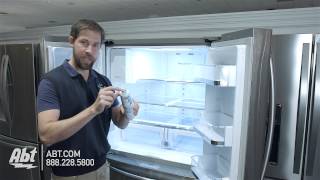
Related How-To Videos
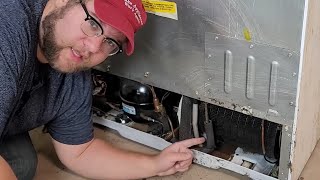
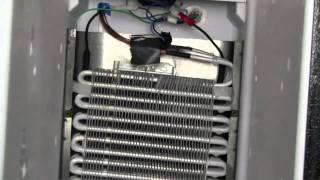

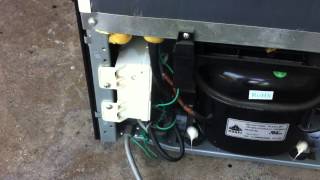
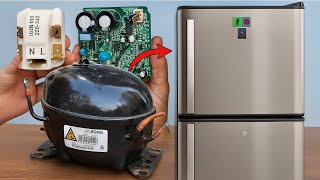

Real DIY Repair Stories
Be the first to share your repair story!
Share Your Repair Story
Your experience helps other homeowners fix their appliances. Tell us how it went!
Can't Fix It Yourself? Find a Local Technician
It's perfectly okay to call a professional. Some repairs require specialized tools, deep teardowns, or dealing with complex systems that are better left to the pros.

Find the Right Part for Your Appliance
Don't guess — search your exact appliance model number at ProsourceParts.com to find the correct OEM compatible replacement part. They offer fast free shipping, guaranteed fit, and thousands of parts in stock.
Your Free Parts Videos
Whether your dishwasher won't drain, your dryer stopped heating, or your fridge isn't cold, we've created simple repair guides for the most common appliance problems homeowners face. Each guide explains what's going wrong, the most likely causes, and which replacement parts fix the issue. When you're ready to order, we link directly to ProsourceParts.com where you can search by model number and get the right part shipped fast.