
Samsung RB757DP1CT Refrigerator — Common Problems & How to Fix Them
Need the replacement part? Search your model number at for guaranteed fit and fast free shipping.
Understanding the Problem
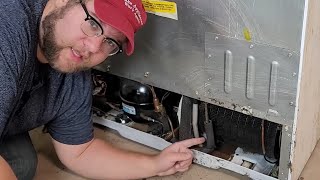
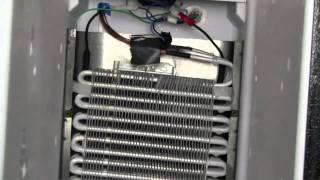
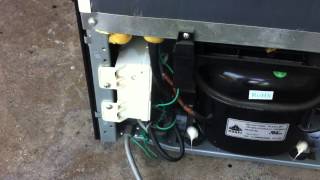
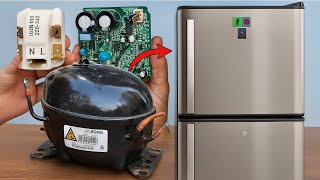
This guide covers the most common problems owners encounter with an RB757DP1CT-style refrigerator (cooling loss, loud noises, frost buildup, water/ice issues, and leaks) and gives step-by-step diagnostics and practical repair actions. 1) Safety & prep: unplug the refrigerator and shut off the water supply before opening panels. Have a multimeter, screwdriver set, nut drivers, and a flashlight. 2) No cooling or poor cooling (fridge warm / freezer warm): - Step 1: Confirm basic settings — temperature set correctly and not in demo mode. Restore to factory temps (Fridge 3–4°C, Freezer -18°C) and wait 24 hours. - Step 2: Check condenser coils — locate coils (rear/bottom) and clean dust/ lint. Dirty coils reduce cooling performance. Clean with coil brush and vacuum. - Step 3: Listen for compressor and fans — compressor should run quietly and condenser fan should spin when compressor is on. If compressor runs but condenser fan is dead, replace condenser fan motor. - Step 4: Check evaporator area for frost — excessive frost on the evaporator or a fully iced-over evaporator indicates defrost failure (defrost heater, defrost thermostat/thermistor, or control board). If evaporator is clear but no cold air, suspect sealed system (compressor, start relay or refrigerant leak) — professional service required. - Step 5: Test thermistors / temperature sensors — remove thermistor, measure resistance at room temp (many NTC sensors read around ~10kΩ at 25°C but check service manual); if out of expected range or open, replace. - Repair actions: clean coils, replace non-working condenser or evaporator fan motors, replace faulty thermistor(s), and if defrost parts fail, replace defrost heater and thermostat or control board as indicated. Sealed system issues require certified HVAC tech. 3) Frost buildup / freezer iced over (defrost problems): - Step 1: Manually defrost (unplug and leave doors open or use hair dryer to remove ice) to restore cooling temporarily. - Step 2: Inspect defrost heater continuity with a multimeter — open = replace heater assembly. - Step 3: Test defrost thermostat (bi-metal) for continuity when cold — open indicates failed thermostat. - Step 4: If heater and thermostat are good, check defrost control (main board or timer) for proper cycling — replace control board if it never initiates defrost. - Repair actions: replace defrost heater or thermostat; if board fails to run defrost cycle, replace main control board. 4) Noisy operation (rattling, loud hum, click): - Step 1: Narrow noise source — compressor area (bottom back), evaporator fan (inside freezer), or condenser fan (rear). Put hand near each (careful) to feel vibration. - Step 2: If fan blades hit ice or debris, defrost and remove obstruction, then replace the damaged fan or blade. If motor bearings are worn, replace that fan motor. - Step 3: Clicking and short-cycling compressor often indicates a bad start relay/overload. Unplug, remove start relay from compressor and test for continuity; rattling or burnt smell = replace relay and starter kit. - Repair actions: replace noisy fan motors, fan blades, or start relay/overload kit. 5) Water dispenser / ice maker not working or leaking: - Step 1: Check water supply valve and inlet hose for kinks or low pressure. Confirm valve is on. - Step 2: Replace clogged/old water filter (if model uses internal filter). A clogged filter reduces flow and can cause the valve to fail. Example common Samsung filter number: DA29-00003G — verify your model. - Step 3: Test water inlet valve solenoids — use multimeter for continuity; replace valve if defective or leaking. - Step 4: Ice maker: check ice maker module for power and fill cycle; if the ice maker fails to cycle, check the module for error codes or replace the ice maker assembly. - Repair actions: replace water filter, inlet valve, or ice maker module as needed. Fix any cracked or frozen fill tubes. 6) Water leaks / pooling under fridge: - Step 1: Inspect door gaskets for tears or poor seal and replace if necessary. - Step 2: Check defrost drain for clog — remove rear panel inside freezer and clear clogged drain with warm water or hair dryer; ensure drain pan underneath is seated and not cracked. - Step 3: Check water supply line and inlet valve for leaks and tighten or replace fittings/valve. - Repair actions: clear defrost drain, replace gaskets, replace cracked drain pan or inlet valve. 7) Control board and electronics issues: - Step 1: Power-cycle the refrigerator (unplug 1–2 minutes). Many electronic glitches reset this way. - Step 2: Look for visible burn marks or bulging capacitors on the control board (usually at the back or inside top console). If present, replace the main control board. - Repair actions: replace the user interface or main PCB if confirmed defective. Safety note: Always unplug the refrigerator and shut off the water supply before testing or replacing electrical components. Use insulated tools when testing live circuits and discharge any large capacitors safely. Sealed system repairs (compressor or refrigerant) must be done by a licensed technician due to refrigerant handling laws and specialized equipment.
Common Symptoms
Fridge or freezer not cold; excessive frost or ice buildup; loud humming or fan noise; water dispenser or ice maker not working; water pooling under fridge; display/control errors.
Common Causes
- Dirty condenser coils or failed condenser fan reducing heat rejection
- Defrost system failure (heater, thermostat, or control) causing frost buildup and air flow block
- Faulty evaporator or condenser fan motors
- Failed thermistor/temperature sensor or defective main control board
- Clogged defrost drain, bad door gaskets, or leaking water inlet valve
Popular Parts That Fix This Problem
These are the most common replacement parts that fix this problem. When you're ready to order, click below to find the right part at ProsourceParts.com — just search by your appliance model number for a guaranteed fit.

Helpful Repair Tip
For cooling issues, remove the freezer rear panel and inspect the evaporator: a thick, continuous layer of frost indicates a defrost failure; an evenly frosted evaporator with cool compressor suggests airflow or fan failure. Use a multimeter to check defrost heater continuity first — it's a frequent, easy-to-test culprit.
Frequently Asked Questions
My RB757DP1CT isn’t cooling but the compressor is running. What should I check first?
Start by cleaning the condenser coils and confirming the condenser fan is running. Next, open the freezer and inspect the evaporator for frost. If the evaporator is iced over, the defrost system (heater, thermostat, or control) is likely at fault. If the evaporator is clear and fans are running but the unit still won’t cool, the sealed system (compressor/refrigerant) may be failing and will require a licensed technician.
Can I replace the evaporator fan or defrost heater myself?
Yes — replacing evaporator or condenser fan motors and defrost heaters is commonly a DIY job if you are comfortable removing interior panels and using basic hand tools and a multimeter. Always unplug the refrigerator and allow it to fully defrost before working inside the freezer. For compressor, refrigerant, or sealed-system work, hire a certified technician.
Related How-To Videos
Real DIY Repair Stories
Be the first to share your repair story!
Share Your Repair Story
Your experience helps other homeowners fix their appliances. Tell us how it went!
Can't Fix It Yourself? Find a Local Technician
It's perfectly okay to call a professional. Some repairs require specialized tools, deep teardowns, or dealing with complex systems that are better left to the pros.

Find the Right Part for Your Appliance
Don't guess — search your exact appliance model number at ProsourceParts.com to find the correct OEM compatible replacement part. They offer fast free shipping, guaranteed fit, and thousands of parts in stock.
Your Free Parts Videos
Whether your dishwasher won't drain, your dryer stopped heating, or your fridge isn't cold, we've created simple repair guides for the most common appliance problems homeowners face. Each guide explains what's going wrong, the most likely causes, and which replacement parts fix the issue. When you're ready to order, we link directly to ProsourceParts.com where you can search by model number and get the right part shipped fast.