
Samsung KRFC604FSS/02 Refrigerator — Common Problems & What Parts Fix Them
Need the replacement part? Search your model number at for guaranteed fit and fast free shipping.
Understanding the Problem
This guide covers the most common issues owners see on the Samsung KRFC604FSS/02 counter-depth French-door refrigerator: not cooling, freezer OK but fridge warm, ice maker or water dispenser failures, unusual noises and leaks. Follow these numbered diagnostic and repair steps to find and fix the problem. 1) Basic checks (do this first): a) Verify the refrigerator is plugged in, the display/control panel is on, and the set temperatures are correct (typically refrigerator 37°F / 3°C, freezer 0°F / -18°C). b) Check that doors are closing fully and door gaskets seal. c) Inspect condenser coils (under or behind unit) and clean if dusty—dirty coils reduce cooling performance. d) Confirm there is at least 1–2 inches clearance around the cabinet for airflow. 2) If fridge warm but freezer cold: a) Check evaporator fan in the freezer. Access the evaporator cover in the freezer (remove shelves, rear panel). Turn unit on and block of a/c power to the fridge then momentarily restore power or manually move door switch — listen for fan. b) If the evaporator fan doesn't run but freezer compressor runs, test fan motor for continuity with a multimeter and replace if failed. c) Inspect the air damper/duct between freezer and fridge for obstructions or faulty damper actuator; make sure the damper opens when calling for cooling. Replace damper actuator if it fails to move. 3) If both compartments are not cooling and compressor is running or clicking: a) Check condenser fan (if equipped) and clean coils. b) Test the compressor start relay/overload on the compressor. A clicking compressor with no steady run is often a bad start relay or a failing compressor. Replace the start relay and overload assembly and retest. If still not running, sealed system failure may require a certified refrigeration tech. 4) If freezer has excessive frost/ice on evaporator: a) Suspect a defrost system failure (defrost heater, defrost thermostat/thermistor, or defrost control/timer). b) Manually enter diagnostics (refer to service manual for code entry) or test continuity of defrost heater and defrost thermostat. Replace failed component(s). 5) Ice maker not making ice or not dispensing: a) Verify ice maker is switched on and the water supply valve to the refrigerator is open. b) Check the water inlet valve and water line for blockages or frozen lines (feel the fill tube for ice). c) Test the ice maker module by cycling it (use diagnostics or press the test arm/button). If motor does not run but receives 120V during test, replace the icemaker assembly. d) If ice tastes bad or forms slowly, replace the water filter (common Samsung filter DA29-00020B). 6) Water dispenser not working: a) Replace filter and verify bypass is not installed. b) Check water inlet valve for proper operation and supply pressure; replace valve if it does not open electrically or is leaking. c) If the dispenser motor or paddle switch is faulty, test for continuity and replace the switch/actuator. 7) Noises (buzzing, gurgling, clicking): a) Normal: compressor and refrigerant flow cause humming/gurgling. b) Abnormal: loud clicking/humming may be start relay or failing compressor; rattles may be loose panels or fan motor bearings. Tighten panels, test fan motors and replace if noisy. 8) Leaks inside or under refrigerator: a) Check defrost drain for clogging — a clogged drain will cause water to pool in bottom. Flush drain with warm water and a pipe cleaner; remove ice build-up in drain pan. b) Inspect the water inlet line, fittings, and the water inlet valve for leaks; replace faulty hoses/valves. 9) Control/electronics problems: a) If display is blank or functions intermittent, check the main control board and user interface. Unplug the refrigerator, inspect the board for burned components or loose connectors; replace the board (order correct board by model). 10) Final verification and service: a) After any replacement, reset power (unplug for 1 minute or use control panel reset) and run normal cooling cycles. b) Monitor temperatures for 24–48 hours to confirm stable operation. Safety note: Always unplug the refrigerator or shut off power at the breaker before accessing electrical components. When working with sealed-system parts (compressor, refrigerant lines) or gas brazing, call a certified refrigeration technician — sealed-system work is regulated and requires EPA-certified handling. Use proper PPE when handling sharp sheet metal and refrigerant components.
Common Symptoms
Fridge compartment too warm while freezer is cold, whole unit not cooling, ice maker not producing ice, water dispenser no flow, excessive frost on evaporator, loud buzzing or clicking noises, water pooling under the fridge.
Common Causes
- Clogged/dirty condenser coils or poor airflow
- Faulty evaporator or condenser fan motor
- Defrost system failure (heater, thermostat or control)
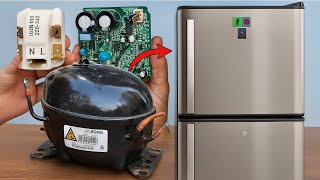
- Bad compressor start relay or sealed-system failure
- Water inlet valve, clogged filter, frozen water line or closed water supply
- Failed ice maker module or water dispenser actuator
- Door gasket failure or blocked air ducts
Popular Parts That Fix This Problem
These are the most common replacement parts that fix this problem. When you're ready to order, click below to find the right part at ProsourceParts.com — just search by your appliance model number for a guaranteed fit.

Helpful Repair Tip
To confirm the faulty part, run simple live tests: check for blower/fan rotation by applying 120V directly (for fan motors), use a multimeter to test continuity on heaters/thermistors, and swap in a known-good start relay to see if the compressor starts.
Frequently Asked Questions
My KRFC604FSS/02 fridge compartment is warm but the freezer is cold — what should I check first?
First check that the evaporator fan in the freezer is running and that the air damper between freezer and fridge opens. Remove the freezer rear panel and listen for the evaporator fan when the fridge calls for cooling. If the fan isn't running, test for power and continuity; replace the fan motor if dead. Also inspect the damper assembly for obstructions or broken actuators and confirm door seals are intact.
Ice maker or water dispenser stopped working — can I fix it myself?
Often yes: start by replacing the water filter and checking that the water supply valve is open. If the dispenser has no flow, test the water inlet valve for electrical operation and inlet water pressure. For the ice maker, run a diagnostic cycle (or manually actuate the test) — if the ice maker motor doesn't run but has power, replace the ice maker assembly. If the fill tube to the ice mold is frozen, carefully defrost it. For electrical or sealed-system repairs, or if you’re not comfortable with live-voltage tests, call a qualified technician.
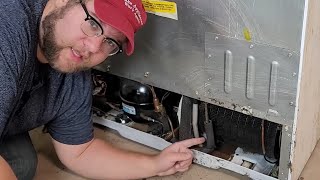
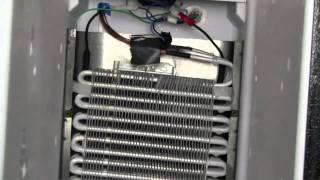
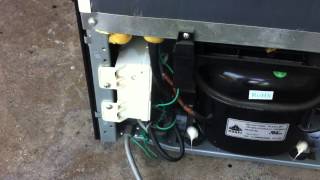
Related How-To Videos

Real DIY Repair Stories
Be the first to share your repair story!
Share Your Repair Story
Your experience helps other homeowners fix their appliances. Tell us how it went!
Can't Fix It Yourself? Find a Local Technician
It's perfectly okay to call a professional. Some repairs require specialized tools, deep teardowns, or dealing with complex systems that are better left to the pros.

Find the Right Part for Your Appliance
Don't guess — search your exact appliance model number at ProsourceParts.com to find the correct OEM compatible replacement part. They offer fast free shipping, guaranteed fit, and thousands of parts in stock.
Your Free Parts Videos
Whether your dishwasher won't drain, your dryer stopped heating, or your fridge isn't cold, we've created simple repair guides for the most common appliance problems homeowners face. Each guide explains what's going wrong, the most likely causes, and which replacement parts fix the issue. When you're ready to order, we link directly to ProsourceParts.com where you can search by model number and get the right part shipped fast.