
Samsung KRFC604FSS/02 — Common Problems and What Parts Fix Them
Need the replacement part? Search your model number at for guaranteed fit and fast free shipping.
Understanding the Problem
The Samsung KRFC604FSS/02 is a French-door refrigerator with an ice/water dispenser. Common problems include the fridge not cooling, the ice maker or water dispenser failing, excessive frost in the freezer, unusual noises, and leaks. Below are practical, numbered diagnostic and repair steps for the most frequent failures, plus a safety note. 1) Refrigerator or Freezer Not Cooling 1. Check temperature settings on the control panel and ensure they haven't been accidentally changed. 2. Verify the condenser coils are clean. Unplug the fridge and vacuum the coils (usually under or behind the unit). Dirty coils cause poor cooling. 3. Check airflow: remove interior drawers and vents to confirm nothing is obstructing air paths between freezer and fridge. The evaporator fan in the freezer must run when the compressor is running. 4. Listen for the compressor and condenser fan operation. If the compressor is hot and the fan(s) are not running, test/replace the condenser fan motor. 5. In the freezer, open the door and verify the evaporator fan turns on. If the fan doesn't run but the compressor is, test the evaporator fan motor and its wiring. 6. Test the thermistor/temperature sensors with a multimeter (power off). Compare resistance to Samsung spec chart (resistance changes with temperature). Replace faulty thermistors. 7. If evaporator is frosted solid, the defrost system (defrost heater, defrost thermostat/thermistor, or defrost control/board) may have failed. Manually initiate a defrost cycle (consult service manual) or test continuity of the defrost heater and thermostat and replace the failed component. 8. If compressor will not start or is running but not cooling, test the start relay and overload; if they fail, replace them. If compressor is running but no cooling after the above checks, the sealed system may have a refrigerant leak — this requires a licensed HVAC/R technician. 2) Ice Maker Not Making Ice or Producing Small/Crushed Ice 1. Confirm ice maker is turned on at the control panel and the ice bin is not full (many models have a shutoff arm/flag). 2. Check water supply line and shutoff valve for kinks or blockages. Verify water flow to the fridge by actuating the dispenser (listen for valve activation). 3. Replace the water filter if it is older than 6 months or appears clogged (low flow can cause small cubes or no ice). Use the correct OEM or NSF-certified replacement. 4. Verify inlet valve operation: when the ice maker calls for water, you should hear a click and water fill. If the inlet valve does not open, test it for continuity and replace if defective. 5. Test the ice maker module (motor and control). If the heater or motor is dead, replace the ice maker assembly. 6. If ice tastes or smells odd, change the water filter and flush the system. 3) Water Dispenser Not Working or Slow Flow 1. Confirm water filter is installed properly and not overdue for replacement. Replace if necessary (common cause of low flow). 2. Inspect the water supply line and valve for kinks, frozen lines (in side/back of fridge), or closed valves. If frozen, thaw the line by unplugging fridge and letting it warm, or carefully using a hair dryer on low around the line while monitoring. 3. Test the dispenser switch and solenoid valve for continuity. Replace faulty switches or the water inlet valve. 4) Excessive Frost or Ice Build-Up in Freezer 1. Check the door gasket/seal for gaps or damage. Replace if the seal leaks air. 2. Verify the defrost cycle is functioning. Manually initiate a defrost or test the defrost heater assembly and thermistor for continuity. Replace failed components. 3. Inspect the drain line for clogs (causing water to refreeze). Clear the drain and flush with warm water. 5) Unusual Noises (Humming, Clicking, Buzzing, Rattling) 1. Identify the noise source: compressor area (back bottom), fan area (condenser fan or evaporator fan), or ice maker/tray. 2. Tighten loose panels and remove any items behind/under the fridge touching the body. 3. If noise is a loud hum or click at start, test the start relay/overload and replace if intermittent. 4. If fan noise, replace the faulty evaporator or condenser fan motor. Safety note: Always unplug the refrigerator or switch off its dedicated circuit at the breaker before testing electrical components, and allow sealed-system repairs (compressor, refrigerant) only to licensed HVAC/R technicians. Use proper PPE and a multimeter rated for appliance work when measuring continuity/voltage.
Common Symptoms
Fridge or freezer not cooling, ice maker not producing ice, weak or no water flow, frost buildup in freezer, loud humming or clicking noises, water leaking under the unit.
Common Causes
- Clogged condenser coils or blocked airflow
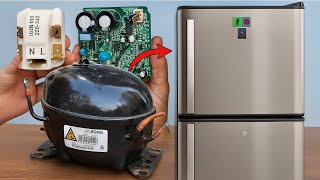
- Failed evaporator or condenser fan motor
- Faulty thermistor/temperature sensor or main control board
- Clogged water filter or faulty water inlet valve
- Defrost system failure (heater, thermostat/thermistor, or control)
Popular Parts That Fix This Problem
These are the most common replacement parts that fix this problem. When you're ready to order, click below to find the right part at ProsourceParts.com — just search by your appliance model number for a guaranteed fit.

Helpful Repair Tip
To confirm a faulty evaporator fan or condenser fan, open the fridge/freezer door and listen — if the relevant fan doesn't spin when the compressor is running, remove the access panel and try to spin the blade by hand (power off) to check for binding; then test motor windings for continuity with a multimeter.
Frequently Asked Questions
How often should I change the water filter?
Replace the water filter every 6 months or sooner if you notice reduced water/ice flow, bad taste, or odor. Always use a compatible replacement (check the filter model recommended for KRFC604FSS/02).
My freezer is cold but the refrigerator section is warm — what should I check first?
First check that the evaporator fan in the freezer is running and that air vents between freezer and fridge aren't blocked. If the fan is faulty or the defrost system has iced over the evaporator, warm fridge temps can result. Also check the damper control (air flow control) and thermistor readings before replacing major components.
Related How-To Videos
Real DIY Repair Stories
Be the first to share your repair story!
Share Your Repair Story
Your experience helps other homeowners fix their appliances. Tell us how it went!
Can't Fix It Yourself? Find a Local Technician
It's perfectly okay to call a professional. Some repairs require specialized tools, deep teardowns, or dealing with complex systems that are better left to the pros.

Find the Right Part for Your Appliance
Don't guess — search your exact appliance model number at ProsourceParts.com to find the correct OEM compatible replacement part. They offer fast free shipping, guaranteed fit, and thousands of parts in stock.
Your Free Parts Videos
Whether your dishwasher won't drain, your dryer stopped heating, or your fridge isn't cold, we've created simple repair guides for the most common appliance problems homeowners face. Each guide explains what's going wrong, the most likely causes, and which replacement parts fix the issue. When you're ready to order, we link directly to ProsourceParts.com where you can search by model number and get the right part shipped fast.