
Samsung DVE45R6100WA/A3 Dryer Troubleshooting & Repair Guide
Need the replacement part? Search your model number at for guaranteed fit and fast free shipping.
Understanding the Problem
This guide covers the most common faults on the Samsung DVE45R6100WA/A3 7.4 cu ft electric dryer: not heating, not tumbling, loud noises/vibration, and electronic error codes. Use the numbered diagnostic steps below for each symptom. Always unplug the dryer or switch off the breaker before you open panels or touch wiring. 1) Dryer not heating (but drum spins) 1. Verify settings: Confirm you're on an electric heat cycle and not an air-only or timed-dry/cool setting. 2. Check household power: Electric dryers need two 120V legs (240V). If the dryer has power but not heat, test outlet voltage or confirm the breaker isn't partially tripped. If uncertain, call an electrician. 3. Clean the vent and lint trap: Restricted airflow can make it feel like it's not heating. Disconnect the vent and run a short cycle—if heat returns, clean the vent thoroughly. 4. Test thermal cutoffs/thermostats: Locate the thermal fuse and high-limit thermostat (usually on the blower housing/heating assembly). Remove and test for continuity with a multimeter. An open fuse/thermostat indicates replacement. 5. Test the heating element: Inspect the element for visible breaks. Test continuity across the element coil with a multimeter—no continuity means replace the element. 6. Check the control board/relays: If the element, thermostats and fuses are good but the element never gets power, the electronic control or the relay that supplies power to the element may be faulty. Verify voltage at the element terminals during a heat cycle (only if you are qualified). How to fix: Replace any failed thermal fuse, high-limit thermostat or heating element. If control board/relay is at fault, replace the control board or dryer control relay. Reassemble and confirm proper venting. 2) Dryer won’t start or won’t respond to controls 1. Confirm power: Make sure the dryer is plugged in and the circuit breaker is not tripped. 2. Door switch: If the door switch is faulty the dryer will not start. Press the door switch with a multimeter to check continuity with the door closed. 3. Start switch and control board: Test the start switch for continuity when pressed. If it works but no motor activity, the motor, motor start capacitor or control board might be faulty. 4. Motor and belt: If you hear a humming but the drum doesn't turn, the motor may be seized or the belt broken/slipped. Inspect the belt for breaks and remove the motor pulley to check for free rotation. How to fix: Replace a bad door switch, start switch, broken belt, or the dryer motor as required. If control board is not sending power, replace the control board. 3) Loud noise, squealing, or banging 1. Identify noise source: Run the dryer empty and listen to front/back to localize (front = drum support rollers/bearings; back = motor or blowers). 2. Drum rollers and glides: Squeal or scraping often comes from worn drum rollers or support glides. Inspect rollers for flat spots and glides for wear. 3. Idler pulley and belt: A noisy idler pulley or frayed belt can squeal. Check the pulley bearing for smooth spin. 4. Blower wheel: Rattling or loud motor-area noise can come from a loose or clogged blower wheel or small objects stuck in the blower housing. How to fix: Replace worn rollers, glides, idler pulley or blower wheel. Remove foreign objects. Lubricate only where specified by manufacturer (most parts are sealed and need replacement, not oiling). 4) Error codes and electronic faults (common Samsung codes) 1. dC/dL (door): Door not sensing closed—inspect/replace door switch. 2. HE/tE: Heating errors—follow “not heating” steps above. 3. 3C/4C: Communication or control board errors—try power reset: unplug 5 minutes then restart. If persistent, check wiring harness and replace control board if harness is intact. How to fix: Replace the specific failed sensor/switch or the control board depending on the fault after isolating with a multimeter and visual inspection. Safety note: Always disconnect power at the breaker before opening the dryer. Electric dryers contain high-voltage components (even unplugged sometimes) and sharp sheet metal. If you are not comfortable working with live voltage or removing major components, hire a qualified appliance technician.
Common Symptoms
No heat with drum spinning; dryer won’t start; loud squealing or scraping; intermittent or persistent error codes displayed.
Common Causes
- Failed heating element, thermal fuse, or thermostat
- Blocked or restricted venting causing overheating and safety cutouts
- Worn drum support rollers, idler pulley or faulty motor/control board
Popular Parts That Fix This Problem
These are the most common replacement parts that fix this problem. When you're ready to order, click below to find the right part at ProsourceParts.com — just search by your appliance model number for a guaranteed fit.

Helpful Repair Tip
To confirm a heating element failure: remove the element assembly and test continuity across the coil with a multimeter — no continuity means replace the element. If element has continuity but no heat, test for 240V at the element terminals during a heat call (only if qualified).
Frequently Asked Questions
How do I test the heating element on my Samsung dryer?
Unplug the dryer and access the heating element assembly (usually behind the rear panel). Remove the element and use a multimeter set to the ohms range. Place probes on the element terminals—if you read continuity (a low resistance value) the element has continuity; if it reads OL or infinite resistance, the element is open and must be replaced. Also inspect visually for broken coil wires or burn marks. If element has continuity but dryer still won’t heat, check thermostats/thermal fuse and verify the element is receiving voltage during a heat call (qualified technicians only).
Is it safe/economical to replace dryer parts myself?
Many common repairs (lint removal, belt replacement, drum rollers, door switch, thermal fuse) are doable for a confident DIYer with basic tools and a multimeter. Always disconnect power first. Don’t attempt live-voltage diagnostics or repairs to the control board unless you are experienced — if the repair involves working with 240V lines, complex electronics, or the motor assembly, consider a qualified appliance technician. Also weigh part cost vs. the age of the dryer—if multiple major components have failed, replacement may be more economical.
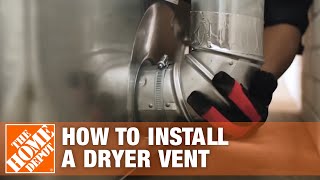
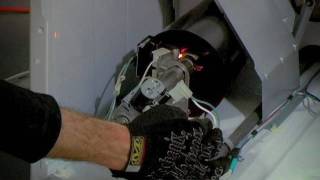
Related How-To Videos
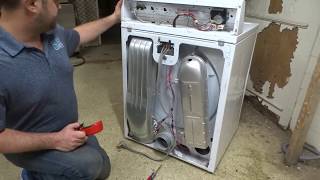
Real DIY Repair Stories
Be the first to share your repair story!
Share Your Repair Story
Your experience helps other homeowners fix their appliances. Tell us how it went!
Can't Fix It Yourself? Find a Local Technician
It's perfectly okay to call a professional. Some repairs require specialized tools, deep teardowns, or dealing with complex systems that are better left to the pros.

Find the Right Part for Your Appliance
Don't guess — search your exact appliance model number at ProsourceParts.com to find the correct OEM compatible replacement part. They offer fast free shipping, guaranteed fit, and thousands of parts in stock.
Your Free Parts Videos
Whether your dishwasher won't drain, your dryer stopped heating, or your fridge isn't cold, we've created simple repair guides for the most common appliance problems homeowners face. Each guide explains what's going wrong, the most likely causes, and which replacement parts fix the issue. When you're ready to order, we link directly to ProsourceParts.com where you can search by model number and get the right part shipped fast.