
Samsung DVE45R6100WA3 Dryer Drum Belt, Idler Pulley & Roller Problems – What Parts Fix This
Need the replacement part? Search your model number at for guaranteed fit and fast free shipping.
Understanding the Problem
Brief explanation: On the Samsung DVE45R6100WA3, the drum is supported and driven by a drive belt, an idler (tensioner) pulley and drum support rollers/glides. When any of these parts wear or fail you’ll hear squealing, thumping, rubbing or experience a drum that won’t turn or turns unevenly. Below are step-by-step diagnostic checks and practical repair steps to fix the problem. 1) Safety & prep - Unplug the dryer or switch off its breaker. Confirm power is off. Have basic tools ready: Phillips and flat screwdrivers, socket set (5/16", 1/4" or 3/8" depending on screws), long-nose pliers, work gloves and a putty knife. - Move dryer away from wall for access to rear and front. 2) Preliminary checks (quick diagnostics) - Manually rotate the drum with your hand. Listen for squeaks, grinding, or feel for resistance/wobble. - If drum won’t turn easily, remove the lint filter and look into the drum for obstructions. - Open the dryer door and press on the drum edges to see if there is lateral play — side-to-side movement indicates worn rollers/bearings. 3) Accessing belt, idler & rollers - Remove the top panel: on many Samsung models you release two clips under the front lip with a putty knife or remove screws behind the control panel and lift top. - Remove the front panel or the lower access panel to expose the drum front. On some models you may need to disconnect door switch wiring — take a photo to remember connections. - For full access remove the drum by lifting it out after detaching the belt from the idler and motor pulley. 4) Inspect parts - Belt: look for fraying, glazing (shiny surface), cracks or missing chunk. A glazed or stretched belt will slip and should be replaced. - Idler pulley (tensioner): spin it by hand. It should turn smoothly and quietly. Any roughness, grinding, wobble or play means replace it. - Drum rollers: check each roller by spinning and pressing on the wheel. Look for flat spots, wobble, seized bearings or excessive play. Replace any with play or rough movement. - Drum glides/slides and rear bearing: inspect plastic glides at the front of the drum and the rear bearing/bushing. If worn, they cause scraping and should be replaced. 5) Replacement steps (common method) - Remove the old belt: route the belt around the drum, lift the drum out slightly, slide the belt off the motor pulley and idler. - Replace rollers: remove the bracket or retainer pins, pull out old rollers, install new rollers on shafts and secure. Ensure shafts are clean and brackets are not bent. - Replace idler pulley: remove retaining bolt, replace idler assembly, and torque bolt snugly (do not over-tighten). Ensure wheel spins freely. - Replace belt: route belt around drum with the ribbed side contacting the drum and motor pulley ribs. Wrap belt under the drum and around motor pulley, then loop around idler so tension is applied. Confirm path matches diagram or photo. - Reinstall drum and front panel: make sure drum rides on rollers and glides correctly, secure front panel and reconnect any wiring. - Test run: reconnect power, run dryer empty on a short cycle. Listen for noises, watch drum for smooth rotation and check that belt tracks straight. 6) Final checks & adjustments - If you still hear noise, run dryer with the cabinet open (power disconnected when inspecting) to identify the source. Recheck glides, rear bearing, and mounting brackets. - If the belt slips, confirm idler is positioned correctly and the belt is not twisted or damaged. Safety note: Always disconnect power before working on the dryer and avoid working with wet hands. If you are not comfortable removing panels or dealing with the drum assembly, consider hiring a qualified appliance technician.
Common Symptoms
Squealing or grinding noise when drum spins, thumping or banging, drum wobbles or drags, dryer won’t tumble, belt wear or burn smell.
Common Causes
- Worn or glazed drum drive belt
- Seized or worn idler (tensioner) pulley
- Worn drum support rollers, bearings, or glides
Popular Parts That Fix This Problem
These are the most common replacement parts that fix this problem. When you're ready to order, click below to find the right part at ProsourceParts.com — just search by your appliance model number for a guaranteed fit.

Helpful Repair Tip
To confirm the faulty part: remove the belt so the motor is disengaged, then spin each roller and the idler by hand — the bad one will feel rough, gritty, or have noticeable wobble or play.
Frequently Asked Questions
How can I tell whether the noise is the idler pulley or the drum rollers?
Spin the drum by hand with the belt removed. If the noise or roughness comes from where the drum rides on the rollers, you’ll feel rough spinning or see side-to-side play — that points to rollers. If the rollers spin smoothly but the tensioner wheel is rough or gritty when spun, the idler is the culprit. Also, an idler failure often causes a high-pitched squeal during start-up or under load; worn rollers often cause thumping or rumbling and more lateral drum movement.
Can I replace the belt, idler and rollers myself and how long will it take?
Yes—this is a typical DIY repair if you are comfortable removing panels and handling the drum. With basic tools it usually takes 45–120 minutes. Work carefully: document wiring photos, keep track of screws, and verify part compatibility with your exact model number before ordering. If the repair requires complex disassembly or you’re unsure, hire a trained appliance technician.
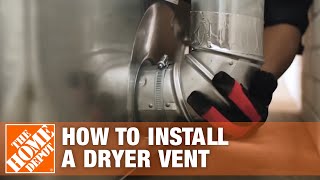
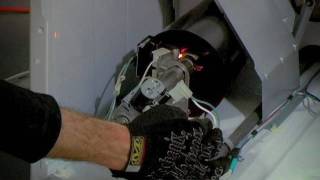
Related How-To Videos
Real DIY Repair Stories
Be the first to share your repair story!
Share Your Repair Story
Your experience helps other homeowners fix their appliances. Tell us how it went!
Can't Fix It Yourself? Find a Local Technician
It's perfectly okay to call a professional. Some repairs require specialized tools, deep teardowns, or dealing with complex systems that are better left to the pros.

Find the Right Part for Your Appliance
Don't guess — search your exact appliance model number at ProsourceParts.com to find the correct OEM compatible replacement part. They offer fast free shipping, guaranteed fit, and thousands of parts in stock.
Your Free Parts Videos
Whether your dishwasher won't drain, your dryer stopped heating, or your fridge isn't cold, we've created simple repair guides for the most common appliance problems homeowners face. Each guide explains what's going wrong, the most likely causes, and which replacement parts fix the issue. When you're ready to order, we link directly to ProsourceParts.com where you can search by model number and get the right part shipped fast.