
Samsung DV45H6300EGA3 Heating Element – What Part Fixes This Problem?
Need the replacement part? Search your model number at for guaranteed fit and fast free shipping.
Understanding the Problem
What the heating element does and why dryers stop heating: The heating element (coil/element assembly) generates the hot air in an electric Samsung dryer. When it fails (open coil, short, or internal break) the drum will tumble but the dryer produces little or no heat. Other parts — the thermal fuse, high-limit thermostat or blocked venting — can mimic a bad element, so check those first. Step-by-step diagnostics and repair: 1. Safety first: Unplug the dryer from the wall outlet or switch off its 240V breaker. Confirm power is off with a non-contact voltage tester. This model is an electric dryer — do not attempt live testing. 2. Confirm symptoms: Does the dryer tumble normally but not heat? Is there a burning smell, tripped breaker, or intermittent heat? Note behavior (no heat at all vs. low heat). 3. Check airflow: Clean the lint trap and run the dryer empty on a heat cycle for a minute. Disconnect and inspect the vent duct and external vent hood for heavy lint/obstruction. Restricted airflow can cause overheating and trip thermal safeties. 4. Access the heating element: Move dryer away from wall, remove the back panel (or front panel on some variants) to access the element housing. On Samsung models the element assembly is usually mounted in the rear/side of the drum housing. Keep track of screws and connectors. 5. Visual inspection: Look at the heating coil for breaks, burn marks or insulation damage. Also inspect wiring terminals and connectors for melting or burning. 6. Test element continuity: Set a multimeter to resistance (ohms). Disconnect the element’s wiring harness. Measure across the element terminals — a good element will show low resistance (often a small number of ohms to a few tens of ohms depending on the element). If the meter reads open/OL, the element is open and must be replaced. 7. Test the thermal fuse: The thermal fuse is a one-time safety device that will open if the dryer overheats. Locate it (usually on the blower housing or near the element) and test for continuity. An open thermal fuse means no heat even if the element is good — replace it. 8. Test thermostats/high-limit and cycling thermostat: Use the multimeter to test the high-limit thermostat and cycling thermostat for continuity at room temperature. If any thermostat is open when it should be closed, replace it. Also inspect for shorted thermostats which can cause no-heat or no-cycling. 9. Inspect wiring and control: If element and safety devices all test good and airflow is fine, inspect wiring harness and control board outputs. A failed relay or board that doesn't send 240V to the element will prevent heating. Confirm the dryer is receiving full 240V at the terminal block (only if you are qualified and with power off/on testing procedures observed). 10. Replace the heating element assembly: Remove mounting screws, disconnect wires and ground, pull out the old assembly and install the new one in the exact orientation. Reconnect wires, secure with screws and reinstall the panel. 11. Replace associated safety parts if needed: If the thermal fuse opened or a thermostat failed, replace those at the same time — they are inexpensive and prevent repeated failures. 12. Reassemble and test: Re-install panels, restore power and run a heat cycle to confirm proper operation. Watch initial cycles for correct heat and no unusual smells. Safety note: The heating element operates on high voltage (240V). If you are not comfortable testing live voltage or working inside appliances, hire a qualified technician. Replacing the element generally requires basic hand tools and a multimeter but must be done with power removed.
Common Symptoms
Drum tumbles but no heat; very low heat; dryer runs longer than normal; intermittent heating; burning smell or tripped breaker when heating starts.
Common Causes
- Open or burned heating element coil
- Blown thermal fuse or high-limit thermostat
- Restricted venting causing overheating and safety shutdown
- Faulty cycling thermostat or temperature sensor
- Control board or relay not supplying power to element
Popular Parts That Fix This Problem
These are the most common replacement parts that fix this problem. When you're ready to order, click below to find the right part at ProsourceParts.com — just search by your appliance model number for a guaranteed fit.

Helpful Repair Tip
Quick confirm: Unplug dryer, disconnect the element connectors and test with a multimeter — an open (OL) reading on the element means replace it. If element has continuity but dryer still won’t heat, test the thermal fuse next.
Frequently Asked Questions
How do I know if the heating element is bad or if it's the thermal fuse?
First test the thermal fuse for continuity; if it's open, it will stop heat even if the element is good. If the fuse has continuity, disconnect the element and measure its resistance — an open/OL reading means the element is bad. Visual breaks in the coil are also a clear indicator.
Can I replace the heating element myself and how much will parts cost?
Yes — if you can remove panels and use basic hand tools and a multimeter, you can replace the element yourself. Typical OEM heating element assemblies run roughly $50–$150 depending on supplier; expect to pay extra for thermal fuses or thermostats if they need replacement. If unsure about electrical testing or 240V checks, hire a pro.
Related How-To Videos
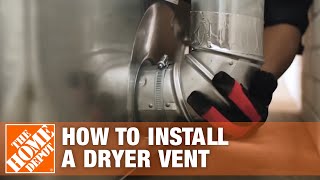
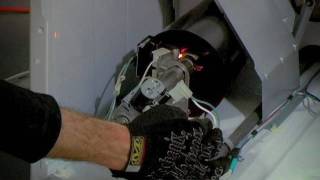
Real DIY Repair Stories
Be the first to share your repair story!
Share Your Repair Story
Your experience helps other homeowners fix their appliances. Tell us how it went!
Can't Fix It Yourself? Find a Local Technician
It's perfectly okay to call a professional. Some repairs require specialized tools, deep teardowns, or dealing with complex systems that are better left to the pros.

Find the Right Part for Your Appliance
Don't guess — search your exact appliance model number at ProsourceParts.com to find the correct OEM compatible replacement part. They offer fast free shipping, guaranteed fit, and thousands of parts in stock.
Your Free Parts Videos
Whether your dishwasher won't drain, your dryer stopped heating, or your fridge isn't cold, we've created simple repair guides for the most common appliance problems homeowners face. Each guide explains what's going wrong, the most likely causes, and which replacement parts fix the issue. When you're ready to order, we link directly to ProsourceParts.com where you can search by model number and get the right part shipped fast.