
RTW4100WQ1 Refrigerator Not Cooling – What Part Fixes This Problem?
Need the replacement part? Search your model number at for guaranteed fit and fast free shipping.
Understanding the Problem
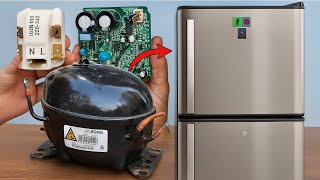
Brief explanation: If your Whirlpool RTW4100WQ1 (top/freezer style) is not cooling properly, the fault is usually in airflow, the refrigeration circuit (compressor/start components), the defrost system (frozen evaporator), or temperature sensors/controls. Below are prioritized diagnostic checks and repair steps to quickly locate the cause and fix it. 1) Confirm the symptom and collect basic info - Verify both the fridge and freezer temperatures with a fridge thermometer. Note whether the freezer is cold and the refrigerator section is warm, or both are warm. - Listen: do you hear the compressor running (a low hum) or only occasional clicking? Any loud or unusual noises? - Check door seals and that vents inside the fridge are not blocked by food. 2) Check simple / user-level items first (5–15 minutes) - Ensure unit is plugged in, power is on, and thermostat/controls are set correctly. - Clean condenser coils (under or behind fridge). Dirty coils reduce cooling capacity. Unplug, vacuum coils, brush off debris, then reconnect. - Verify airflow: remove food blocking freezer-to-fridge air vents. If the freezer is cold but the fridge is warm, airflow failure is likely. 3) Verify fans and airflow - Evaporator fan (inside freezer): Open freezer door and operate door switch (if present) or set the fridge to call for cooling. If compressor is running but no cold air circulates, listen for or visually check the evaporator fan. If it doesn't run, remove evaporator cover and test fan motor for continuity; replace the fan if it has no power/doesn't spin. - Condenser fan (near compressor): If the compressor runs but the condenser fan is not spinning, the compressor may overheat or not cool properly. Replace the condenser fan motor if it does not turn freely or has no power. 4) Check compressor and start device - Listen at startup: if the compressor clicks and doesn't run (will often repeat every few minutes), the start relay/overload or the compressor may be faulty. Unplug, remove relay/overload from compressor, shake it — a rattling or burnt smell indicates a bad relay. Test the relay with a multimeter for continuity per manufacturer specs. - If the relay tests bad, replace it and retest. If the relay is good and the compressor still won't run, the compressor or sealed system may be bad and requires a refrigeration technician. 5) Inspect the evaporator for frost pattern (defrost system check) - Remove the freezer evaporator cover and inspect the evaporator coil. A uniform frost across the coil is normal; heavy, thick frost or ice build-up covering the coil indicates a defrost failure (defrost heater, defrost thermostat or defrost control failure). - To test defrost components: with power off, test defrost heater for continuity. Test defrost thermostat/bi-metal for continuity when cold (it should close when frozen). If either fails, replace the defective part. If defrost components check OK but coil is iced, the control/timer or main control board may not be initiating defrost. 6) Test thermistor/temperature sensors and control board - Thermistors read temperature and tell the control to run the compressor and fans. Test the thermistor with an ohmmeter; resistance should change with temperature (no change = bad). Replace if out of spec. - If all sensors and components test good but compressor and defrost control behavior is abnormal, the main control board may be defective. 7) Sealed system and refrigerant issues - If compressor runs but cooling is weak and the evaporator is warm with no frost, it can indicate low refrigerant or sealed-system leak. Sealed-system work (refrigerant recharge, brazing, replacing compressor) must be done by a certified refrigeration tech. 8) Typical repair actions (ordered by frequency / ease) - Clean condenser coils and ensure good airflow around the fridge. - Replace evaporator or condenser fan motors if not running. - Replace start relay/overload if compressor will not come on and relay is defective. - Repair defrost components (heater, thermostat, or control) if evaporator is iced over. - Replace thermistor(s) if temperature readings are wrong or inconsistent. - Replace main control board if it fails to command defrost, fans, or compressor despite good inputs. - Call a licensed refrigeration technician for sealed-system repairs. Safety note: Always unplug the refrigerator before accessing electrical components or performing tests that require opening panels. Capacitors, sharp sheet metal, and refrigerant lines are hazards—if you are not comfortable or the job involves refrigerant, contact a licensed appliance/refrigeration technician.
Common Symptoms
Freezer cold but refrigerator warm; compressor clicking and not running; evaporator coil covered in ice; loud fan or no fan noise; fridge runs continuously but doesn't reach temperature.
Common Causes
- Blocked airflow between freezer and fridge (blocked vents or failed evaporator fan)
- Faulty start relay or compressor issues (compressor not starting)
- Defrost system failure causing evaporator to ice over
- Failed thermistor or control board sending incorrect signals
- Dirty condenser coils or failed condenser fan reducing cooling capacity
Popular Parts That Fix This Problem
These are the most common replacement parts that fix this problem. When you're ready to order, click below to find the right part at ProsourceParts.com — just search by your appliance model number for a guaranteed fit.

Helpful Repair Tip
If the compressor hums but fridge won't cool and the evaporator is clear of frost, first test/replace the start relay/overload — it's a common inexpensive fix. If the evaporator is heavily iced, suspect the defrost heater/thermostat or defrost control.
Frequently Asked Questions
How can I tell if the compressor is bad or just the start relay?
If the compressor clicks but won't run and the start relay smells burnt or rattles when shaken, the relay is a likely culprit — replace it first (inexpensive). If the relay is good and the compressor still won't run (or the compressor is hot and does not spin), the compressor itself or the sealed system may be faulty and requires a licensed refrigeration technician and specialized equipment to diagnose and repair.
Can I fix a refrigerant leak or sealed-system problem myself?
No. Sealed-system repairs (refrigerant leaks, compressor replacement, brazing lines) require EPA certification, special tools, and proper refrigerant handling. Attempting DIY sealed-system work is illegal in many places and risks causing further damage. Call a licensed refrigeration technician for sealed-system issues.
Related How-To Videos
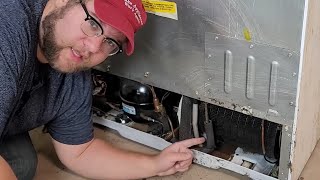
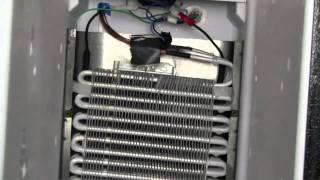
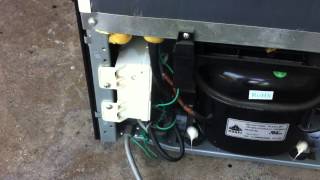
Real DIY Repair Stories
Be the first to share your repair story!
Share Your Repair Story
Your experience helps other homeowners fix their appliances. Tell us how it went!
Can't Fix It Yourself? Find a Local Technician
It's perfectly okay to call a professional. Some repairs require specialized tools, deep teardowns, or dealing with complex systems that are better left to the pros.

Find the Right Part for Your Appliance
Don't guess — search your exact appliance model number at ProsourceParts.com to find the correct OEM compatible replacement part. They offer fast free shipping, guaranteed fit, and thousands of parts in stock.
Your Free Parts Videos
Whether your dishwasher won't drain, your dryer stopped heating, or your fridge isn't cold, we've created simple repair guides for the most common appliance problems homeowners face. Each guide explains what's going wrong, the most likely causes, and which replacement parts fix the issue. When you're ready to order, we link directly to ProsourceParts.com where you can search by model number and get the right part shipped fast.