
RGB745WEHWW — How to Confirm the Model and Troubleshoot Common Refrigerator Problems
Need the replacement part? Search your model number at for guaranteed fit and fast free shipping.
Understanding the Problem
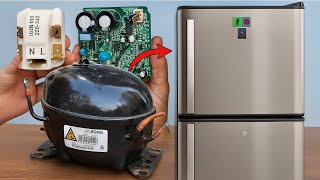
You're likely looking at a refrigerator model ID (RGB745WEHWW). If the model string doesn't return results in a parts lookup, first confirm the full model/serial — many troubleshooting steps and correct part numbers depend on the exact model. Below is a practical, step-by-step guide to identify the appliance and troubleshoot the most common refrigerator problems. 1) Confirm the model number: a) Unplug the fridge. b) Open the fresh-food compartment and check the left or right wall near the top, behind a crisper drawer, or on the interior ceiling for the model/serial sticker. c) If not inside, check the door frame and the back exterior. Record the full model and serial. 2) Visual inspection and basic prep: a) Pull the refrigerator away from the wall and unplug it. b) Remove kick plate / rear access panel and visually inspect condenser coils for dust/grease — clean if dirty. c) Check for frost build-up in the freezer (indicates defrost failure) and water pooling at the bottom (indicates clogged defrost drain). 3) If the fridge isn't cooling (warm fridge, cold/no cold freezer): a) Listen for the compressor: does it click then run/hum? If it clicks repeatedly and won't stay on, suspect the start relay or overload. b) Check condenser fan (near compressor) and evaporator fan (inside freezer) — with power off, spin the blades; both should spin freely. With power on, fans should run when compressor is running (evaporator fan may be controlled by door switch). c) Measure temps with an accurate thermometer: fridge should be ~35–38°F (2–3°C), freezer ~0°F (-18°C). d) If compressor doesn't run but has power, test the start relay: remove relay from compressor and check for burnt smell or loose parts; a multimeter continuity test can help but many technicians replace a noisy/failed relay. e) If evaporator has heavy frost/ice, the defrost system may be failed (defrost heater, thermostat/bi-metal, or defrost control board). Test continuity of defrost heater and defrost thermostat with a multimeter. 4) If the refrigerator is noisy: a) Identify noise source: gurgling (normal refrigerant flow), clicking (compressor start relay), loud hum or screech (compressor) or grinding/rattling (fan motor or loose part). b) Isolate condenser fan vs evaporator fan vs compressor. Replace noisy fan motors or blade if wobbling. 5) If water leaks or pools in the fresh-food section: a) Check and clear the defrost drain — remove the bottom drawer, remove the drain cover in the freezer, use hot water and a turkey baster to clear clogs. b) Inspect the drain pan under the fridge for cracks and ensure it sits correctly. c) If door gaskets are damaged, humid air can condense — replace gaskets. 6) If ice maker or water dispenser doesn't work: a) Replace the water filter and test inlet water pressure. b) Check water inlet valve for continuity and proper fill (it should click and allow water when dispenser is used). c) Manually initiate the ice maker harvest cycle (refer to the model-specific service sheet) and observe fill — if it doesn't fill, replace valve or ice maker module. 7) Defrost and frost buildup issues: a) Check defrost thermostat (opens/closes at cold temps) and defrost heater continuity. b) Inspect defrost control or main board for error codes (if the model has a display). Replace the failed component. 8) Control and sensor checks: a) Test thermistors/temperature sensors for proper resistance at given temperatures (consult service data for values). b) Replace the control board only after verifying other components; boards are expensive and often misdiagnosed. Safety note: Always unplug the refrigerator (or turn off the breaker) before accessing internal components. Use insulated tools and a multimeter rated for household use. If you are not comfortable working with electrical components or sealed system repairs (compressor/sealed refrigeration circuit), call a licensed appliance technician.
Common Symptoms
Fridge not cooling while freezer is okay; warm compartments; loud or unusual noises; water leaking inside or under the unit; ice maker not filling or dispenser not working; frost build-up in freezer.
Common Causes
- Dirty condenser coils or failed condenser/evaporator fan motor reducing heat removal
- Failed start relay/overload or compressor issues preventing the compressor from running
- Defrost system failure (defrost heater, thermostat, or control) causing frost build-up and blocked air flow
Popular Parts That Fix This Problem
These are the most common replacement parts that fix this problem. When you're ready to order, click below to find the right part at ProsourceParts.com — just search by your appliance model number for a guaranteed fit.

Helpful Repair Tip
Confirm a faulty part by first observing the symptom while the fridge is powered (fans running, compressor humming). Then unplug power and test suspected parts with a multimeter for continuity or abnormal resistance; for fans and relays, a quick visual and spin test often reveals the culprit.
Frequently Asked Questions
How can I confirm that 'RGB745WEHWW' is the correct model number for my refrigerator?
Open the fresh-food compartment and look for the data plate/sticker on the interior side walls, ceiling, behind crisper drawers, or along the door frame. If not inside, check the back panel of the refrigerator. The plate will list the model and serial number. Record the entire string and use the full model number when searching for parts or service manuals.
My refrigerator is not cooling — could the compressor be bad or is it something cheaper to fix?
Not always the compressor. First check easy items: clean condenser coils, ensure both condenser and evaporator fans run, and verify the start relay isn't burnt. A compressor that won't run but has power could still be a failed start relay. If the compressor hums but doesn't run (and the relay is good), or if it runs briefly then trips a breaker, the compressor might be failing. Also check for heavy frost on the evaporator (defrost failure) which can block airflow and mimic a compressor problem. For sealed-system issues (compressor or refrigerant), call a certified technician — these repairs require special tools and certification.
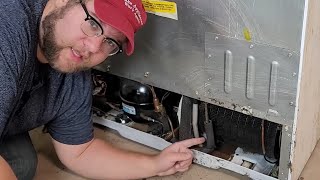
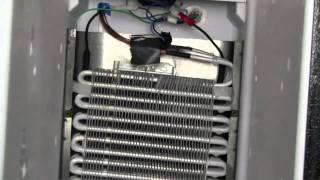
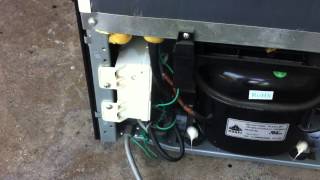
Related How-To Videos
Real DIY Repair Stories
Be the first to share your repair story!
Share Your Repair Story
Your experience helps other homeowners fix their appliances. Tell us how it went!
Can't Fix It Yourself? Find a Local Technician
It's perfectly okay to call a professional. Some repairs require specialized tools, deep teardowns, or dealing with complex systems that are better left to the pros.

Find the Right Part for Your Appliance
Don't guess — search your exact appliance model number at ProsourceParts.com to find the correct OEM compatible replacement part. They offer fast free shipping, guaranteed fit, and thousands of parts in stock.
Your Free Parts Videos
Whether your dishwasher won't drain, your dryer stopped heating, or your fridge isn't cold, we've created simple repair guides for the most common appliance problems homeowners face. Each guide explains what's going wrong, the most likely causes, and which replacement parts fix the issue. When you're ready to order, we link directly to ProsourceParts.com where you can search by model number and get the right part shipped fast.