
RFG237AARSXAA-04 Refrigerator — Common Problems, Diagnostics & How to Fix
Need the replacement part? Search your model number at for guaranteed fit and fast free shipping.
Understanding the Problem
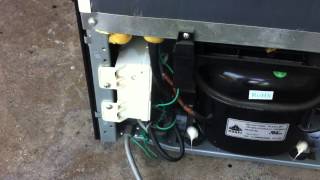
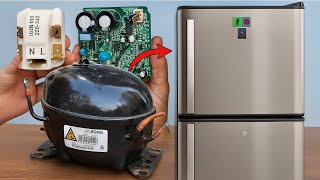
This guide covers the most common repair issues owners see on RFG237AARSXAA-04-style French-door refrigerators: not cooling (fridge or freezer), frost/ice buildup, noisy operation, water/ice maker problems, and leaks. Below are prioritized diagnostic steps and practical repair actions for each major symptom so you can find and fix the root cause. 1) Refrigerator not cooling (fridge warm, freezer cold or both warm) - Quick checks (do these first): 1. Verify power: check plug, breaker, and that lights/control panel power up. 2. Confirm temperature settings: fridge 37°F (3°C), freezer 0°F (-18°C). 3. Listen & feel: is the compressor running? Can you hear fans in the freezer and condenser area? - Diagnostic steps: 1. Clean condenser coils and check condenser fan: dirty coils or a seized fan cause poor cooling. Vacuum and brush coils; spin fan blades by hand (power off) to check freedom of movement. 2. Check evaporator fan (freezer interior fan): open freezer door and press the door switch; the evaporator fan should run. If freezer is warm and the fan is dead, replace the evaporator fan motor. 3. Test compressor start relay/overload: with power removed, pull the relay from the compressor, inspect for burn marks. If the compressor hums or doesn't start, replace the start relay/overload. 4. Check for frost on the evaporator coil (freezer back panel): if there's heavy frost/ice, defrost system may have failed (defrost heater, thermostat/DFT, or control board). If evaporator is clear but compressor runs hot and temps stay warm, sealed system loss may be present (requires pro). 5. Test thermistor/temperature sensors: unplug thermistors and test resistance per temperature chart in service manual. Out-of-range readings mean replacement. - How to fix (common repairs): 1. Clean coils and replace a stuck condenser fan motor: unplug, remove grille, unscrew fan, disconnect wiring, swap motor, reassemble. 2. Replace evaporator fan motor: unplug, remove freezer rear panel, unplug harness, swap motor and blade, reassemble. 3. Replace start relay/overload: unplug fridge, remove access cover to compressor, pull relay off compressor, install new OEM relay/overload. 4. Fix defrost system: remove freezer evaporator cover, test defrost heater continuity and DFT/thermostat; replace failed heater or thermostat. If control board is not initiating defrost, replace control board. 5. Sealed system issues (loss of refrigerant or compressor failure): these require an EPA-certified HVAC/refrigeration tech. 2) Freezer or fridge noisy (buzzing, clicking, loud motor noise) - Likely causes and checks: 1. Condenser fan motor or bracket hitting shroud — inspect and replace fan or bracket. 2. Evaporator fan blade hitting ice build-up — defrost and check fan clearance. 3. Compressor running loudly — could be failing compressor or bad start relay. - How to fix: 1. Tighten/replace fan mounting hardware; replace noisy fan motor. 2. Defrost and clear ice; replace evaporator fan motor if noisy after clearing. 3. Replace start relay; if compressor itself is noisy and not starting well, call a pro for compressor replacement. 3) Ice maker not making ice or slow/insufficient ice - Diagnostic steps: 1. Confirm water supply and valve: run water dispenser; if weak/none, replace water inlet valve or clean line. 2. Inspect ice maker control arm or module for jammed ejector or ice bridge. 3. Check fill tube for frozen blockage — thaw with hair dryer on low (careful) or replace heater if equipped. 4. Test ice maker module electrical connections and module motor (unplug fridge and test for continuity where applicable). - How to fix: 1. Replace water inlet valve if it doesn’t open or is under-supplying water. 2. Replace ice maker assembly or module if the motor doesn't cycle or the thermostat in the ice maker is bad. 3. Clear frozen fill tube and ensure drain and trays are installed correctly. 4) Water leaking inside or under refrigerator - Likely causes and fixes: 1. Clogged defrost drain: remove rear evaporator cover, clear drain with warm water or use a shop vacuum to remove debris; flush with warm water. 2. Cracked drain pan or misaligned drain: inspect and replace drain pan if cracked. 3. Leaking water inlet valve or supply line: check fittings at back, replace valve or tighten/replace supply line. 5) Door not sealing / condensation along door - Checks and fixes: 1. Inspect door gaskets for tears or compression set; clean gasket with mild soap and replace if damaged. 2. Check door alignment and hinges — relevel or adjust hinges to ensure proper closure. Safety note: always unplug the refrigerator or shut off breaker before accessing internal components. Refrigerant work (sealed system, compressor replacement) must be done by an EPA-certified technician. Use insulated tools, work on a cool appliance, and follow manufacturer service manual instructions when available.
Common Symptoms
Fridge too warm, freezer frost/ice buildup, loud buzzing/humming, ice maker not filling, water leaks under fridge, condensation on doors.
Common Causes
- Dirty condenser coils or failed condenser fan motor
- Failed evaporator fan motor or blocked evaporator (ice buildup)
- Bad start relay/overload or failing compressor
- Defrost system failure (heater, thermostat, or control board)
- Clogged defrost/drain or failed water inlet valve/ice maker assembly
Popular Parts That Fix This Problem
These are the most common replacement parts that fix this problem. When you're ready to order, click below to find the right part at ProsourceParts.com — just search by your appliance model number for a guaranteed fit.
Helpful Repair Tip
Start with visual and audible checks: if the compressor runs but evaporator fan is silent and freezer is warm, the evaporator fan motor is the most likely culprit—replace it first.
Frequently Asked Questions
How do I find the exact replacement parts for my RFG237AARSXAA-04?
Locate the appliance model and serial number on the tag (usually inside the fridge or on the door frame). Use that full model number in an OEM parts lookup or contact the manufacturer's parts department. If unsure, take a photo of the part and tag and compare it to online diagrams or a parts supplier to confirm fit.
Can I repair this myself or do I need a professional?
You can perform many common DIY repairs: cleaning coils, replacing fans, changing door gaskets, unclogging defrost drains, and replacing water inlet valves or ice maker modules. Do NOT attempt sealed-system repairs (refrigerant, compressor) unless you are EPA-certified—call a licensed technician for those jobs. Always disconnect power before working on the appliance.
Related How-To Videos
Real DIY Repair Stories
Be the first to share your repair story!
Share Your Repair Story
Your experience helps other homeowners fix their appliances. Tell us how it went!
Can't Fix It Yourself? Find a Local Technician
It's perfectly okay to call a professional. Some repairs require specialized tools, deep teardowns, or dealing with complex systems that are better left to the pros.

Find the Right Part for Your Appliance
Don't guess — search your exact appliance model number at ProsourceParts.com to find the correct OEM compatible replacement part. They offer fast free shipping, guaranteed fit, and thousands of parts in stock.
Your Free Parts Videos
Whether your dishwasher won't drain, your dryer stopped heating, or your fridge isn't cold, we've created simple repair guides for the most common appliance problems homeowners face. Each guide explains what's going wrong, the most likely causes, and which replacement parts fix the issue. When you're ready to order, we link directly to ProsourceParts.com where you can search by model number and get the right part shipped fast.