
Samsung RF267AERSX / RF267AERSXAA-00 Refrigerator — Common Problems & What Parts Fix Them
Need the replacement part? Search your model number at for guaranteed fit and fast free shipping.
Understanding the Problem
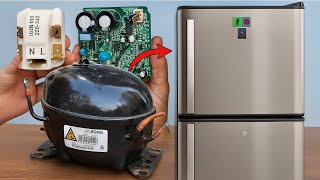
This guide covers the most common problems on the Samsung RF267AERSX family (your RF267AERSXAA-00 variant): fridge/freezer not cooling, excess frost in the freezer, noisy operation, water/ice dispenser or ice maker problems, and leaks. Below are practical diagnostic and repair steps you can do at home. Always verify the exact OEM part number for your serial plate before ordering parts. 1) Start with basic checks - Verify the unit has power and the temperature controls are set correctly (fridge ~37°F/3°C, freezer ~0°F/-18°C). - Check for error codes on the display and consult your manual for their meanings. - Make sure doors seal well (no gaps, magnets hold firmly) and vents inside compartments are clear of food. - Clean the condenser coils (under or behind unit) if dusty—dirty coils cause poor cooling. 2) If the fridge/freezer is warm (not cooling properly) - Listen near the bottom of the cabinet for the compressor: you should hear a low hum. If the compressor is off but the unit has power, test the start relay/overload (see step 4). - Open the freezer and check for cold air and airflow from the freezer vents while the compressor is running. If compressor runs but no airflow into the fridge, the evaporator fan motor is likely bad. - Check the condenser fan (if equipped) beside the compressor for proper operation; if the condenser fan is dead, compressor may overheat and cut out. 3) If the freezer is icing up (excess frost) or cooling cycles erratically - Defrost system failure is common: the defrost heater, defrost thermostat/thermistor, or the control/defrost board can fail. Manually inspect evaporator for heavy frost; if present, the defrost cycle is not clearing frost. - Run a forced defrost (unplug and let all frost melt, or use the service mode if available) and then monitor: if frost returns immediately the defrost circuit needs testing. - Test defrost heater for continuity and defrost thermostat/thermistor for expected resistance change with temperature. If open, replace the failed component. 4) How to test the compressor start relay/overload and compressor basics - Safety first: unplug refrigerator before performing tests. - Locate the start relay/overload on the compressor. Remove it and inspect for burn marks or a burnt smell. - Bench test the relay for continuity with a multimeter; many relays are expected to show continuity on certain pins—if the relay smells burnt, has no continuity, or the compressor clicks but won't run, replace the relay/overload. - If replacing the relay still doesn’t start the compressor and the compressor is silent and shows abnormal resistance values, you may have a failing compressor — this is typically a job for a certified appliance tech. 5) Ice maker / water dispenser problems - If the ice maker isn’t producing ice: check the water inlet valve, water supply line and filter. Replace the water filter if overdue (restricts flow). - Inspect the ice maker for mechanical jams, check the fill cup and water line for kinks or frozen sections. - Test the inlet valve solenoid coils for continuity; if they are open the valve should be replaced. 6) Water leaks under or around the refrigerator - Most leaks are caused by a clogged/ frozen defrost drain. Remove food, locate the drain at the back bottom of the freezer evaporator area and clear it with warm water through the drain with a turkey baster or compressed air. - Inspect the water inlet line/valve for cracks or loose fittings. - Check the drain pan under the unit for cracks and ensure it sits properly. 7) Noises and vibration - Differentiate types of noise: constant hum (compressor), intermittent whirl (fans), rattles (loose panels), or knocking (defrost thermistor hitting evaporator). - Secure loose panels, tighten screws, and inspect the evaporator and condenser fans. Replace fan motors if they wobble, grind, or don’t spin freely. 8) General replacement steps (fans, valve, filter, ice maker, boards) - Unplug the refrigerator and shut off water supply before starting. - Remove covers/panels to access the failed component (freezer back for evaporator fan/defrost heater, rear bottom for compressor area components, fresh food door for dispenser components). - Disconnect wiring harnesses (note orientation or take a photo), remove mounting screws, swap the old component for the new OEM part, reconnect harnesses, reassemble panels. - Restore power and water, run diagnostics or monitor operation for at least one full cycle (several hours) to confirm repair. Safety note: Always unplug the refrigerator and shut off the water before performing any repairs. If you’re uncomfortable with electrical or sealed-system work (compressor, refrigerant), call a licensed appliance/service technician. Verify part compatibility with your exact model via the manufacturer’s parts list or the serial tag.
Common Symptoms
Fridge or freezer too warm; heavy frost or ice buildup in freezer; water leaking from the bottom; ice maker not filling or ejecting ice; loud or unusual noises.
Common Causes
- Faulty evaporator fan motor (no airflow)
- Failed defrost components (heater, thermostat, or control board) causing frost buildup
- Dirty condenser coils or failed condenser fan causing poor heat rejection
- Bad compressor start relay/overload or failed compressor
- Clogged defrost drain or damaged water inlet valve/line
Popular Parts That Fix This Problem
These are the most common replacement parts that fix this problem. When you're ready to order, click below to find the right part at ProsourceParts.com — just search by your appliance model number for a guaranteed fit.

Helpful Repair Tip
To confirm an evaporator fan problem: with the compressor running, open the freezer—if there is no airflow from the freezer vents but the compressor hums, the evaporator (freezer) fan motor is likely faulty.
Frequently Asked Questions
How do I reset my Samsung RF267 refrigerator?
Soft reset: unplug the refrigerator (or switch off at the breaker) for 5 minutes, then plug it back in. For some models you can enter service/diagnostic mode via the control panel — consult the service manual for the exact button sequence for your model. Resetting will clear temporary electronic errors but won't fix failed hardware components.
How often should I change the water filter and how do I know if it's clogged?
Replace the water filter approximately every 6 months or sooner if you notice reduced water flow or cloudy/odd-tasting ice. If your dispenser outputs a trickle or the ice maker fills slowly, that strongly suggests the filter or the inlet valve is restricting flow—start by replacing the filter and checking water pressure to the fridge.
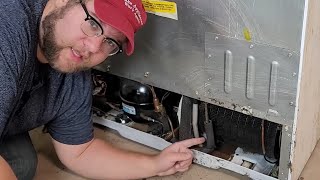
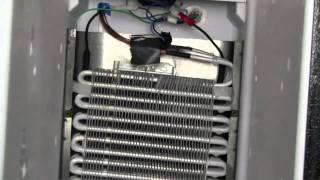
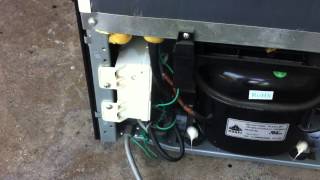
Related How-To Videos

Real DIY Repair Stories
Be the first to share your repair story!
Share Your Repair Story
Your experience helps other homeowners fix their appliances. Tell us how it went!
Can't Fix It Yourself? Find a Local Technician
It's perfectly okay to call a professional. Some repairs require specialized tools, deep teardowns, or dealing with complex systems that are better left to the pros.

Find the Right Part for Your Appliance
Don't guess — search your exact appliance model number at ProsourceParts.com to find the correct OEM compatible replacement part. They offer fast free shipping, guaranteed fit, and thousands of parts in stock.
Your Free Parts Videos
Whether your dishwasher won't drain, your dryer stopped heating, or your fridge isn't cold, we've created simple repair guides for the most common appliance problems homeowners face. Each guide explains what's going wrong, the most likely causes, and which replacement parts fix the issue. When you're ready to order, we link directly to ProsourceParts.com where you can search by model number and get the right part shipped fast.