
How to Replace a Refrigerator Door Hinge – Step‑by‑Step Repair Guide
Need the replacement part? Search your model number at for guaranteed fit and fast free shipping.
Understanding the Problem
A worn or broken door hinge allows the refrigerator door to sag, fail to seal, scrape the cabinet, or make noise. Replacing the hinge restores alignment and a proper door seal. Follow these diagnostic and repair steps to replace a refrigerator door hinge safely and correctly. 1) Diagnose the problem: - Inspect hinge for visible wear: missing/broken plastic bushings, rusted pin, cracked metal, or stripped threads. - Close the door and look for uneven gaps, a gap at the top or bottom, or a door that drifts open or rubs the cabinet. - Check for loose mounting screws or movement by wiggling the door near the hinge (support the door while checking). 2) Gather tools and parts: - Common tools: socket set (8–13 mm), Phillips/flat screwdriver, adjustable wrench, putty knife or thin pry bar, torque wrench (optional), level, tape, marker, and gloves. - Parts: replacement hinge (top or bottom as needed), hinge pin or bushing kit if sold separately. Confirm exact part by your refrigerator model number. 3) Prepare for the repair: - Empty door shelves or secure their contents so nothing falls when the door is moved. - If the fridge has an ice/water line or electrical connector in the door, turn off the water and/or unplug the refrigerator and disconnect the door wiring per your model’s service manual. - Have a second person available — refrigerator doors are heavy and awkward. 4) Remove the door (typical sequence): - Open the door fully and support it with a prop or have your helper hold it. - Remove the hinge cover (if present) by prying or unscrewing the trim piece on top of the refrigerator. - Loosen and remove the screws/bolts on the top hinge while supporting the door. Lift the hinge off and set it aside. - If the door mounts on a lower hinge, lift the door straight up and off the lower hinge pin; place it on a protected surface (blanket) or set aside with help. 5) Replace the hinge: - Remove the old hinge from the cabinet (unscrew mounting bolts). Inspect the mounting area for damage or stripped threads. - Compare old hinge to new hinge; transfer any bushings, washers, or spacers if required. - Mount the new hinge to the cabinet, snug bolts but leave final alignment loose enough to adjust. 6) Reinstall the door and align: - With helper, lift the door back onto the lower hinge pin (or position onto the lower hinge) and set into place. - Reinstall the top hinge over the door hinge post and fasten bolts finger-tight. - Adjust vertical position and tilt so door gap is uniform and the gasket seals fully. Use a level and visual check. - Tighten hinge bolts to secure position. If your hinges have adjusting slots, fine-tune alignment before final tightening. - Reconnect any door wiring or water lines following the model-specific steps. 7) Test and finish: - Open/close the door several times to check for rubbing, smooth motion, and a full seal. - Check that door shelves sit level and that the magnetic gasket contacts the cabinet evenly. - Replace hinge cover trim and clean up. Safety note: Unplug the refrigerator before disconnecting electrical components. Always support the door—do not rely on the hinge alone while bolts are removed. Use two people for lifting and alignment to avoid injury and damage.
Common Symptoms
Door sags or tilts, uneven gap between door and cabinet, door scrapes cabinet, door won't seal or drifts open, grinding or clunking when opening/closing.
Common Causes
- Worn hinge pin or plastic bushing causing play and sagging
- Corroded or bent hinge from impact or long-term wear
- Loose or stripped mounting screws/threads allowing the hinge to shift
Popular Parts That Fix This Problem
These are the most common replacement parts that fix this problem. When you're ready to order, click below to find the right part at ProsourceParts.com — just search by your appliance model number for a guaranteed fit.

Helpful Repair Tip
Confirm a faulty hinge by supporting the door and checking for slack or play at the hinge pivot—excessive wobble or visible broken plastic bushings means the hinge or bushing kit needs replacing.
Frequently Asked Questions
Can I replace a refrigerator door hinge myself?
Yes — many homeowners can replace a hinge with basic tools and a helper. Key requirements: confirm correct replacement part for your model, have a second person to support the door, unplug the appliance when disconnecting electrical/water connections, and follow the step-by-step alignment process.
How much does a door hinge replacement cost?
Part costs vary widely by brand and model — expect roughly $20–$120 for the hinge or bushing kit. If you hire a technician, labor typically adds $75–$200 depending on local rates and complexity.
Related How-To Videos

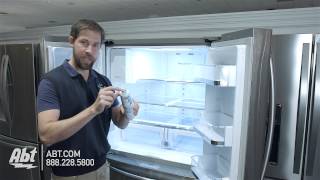

Real DIY Repair Stories
Be the first to share your repair story!
Share Your Repair Story
Your experience helps other homeowners fix their appliances. Tell us how it went!
Can't Fix It Yourself? Find a Local Technician
It's perfectly okay to call a professional. Some repairs require specialized tools, deep teardowns, or dealing with complex systems that are better left to the pros.

Find the Right Part for Your Appliance
Don't guess — search your exact appliance model number at ProsourceParts.com to find the correct OEM compatible replacement part. They offer fast free shipping, guaranteed fit, and thousands of parts in stock.
Your Free Parts Videos
Whether your dishwasher won't drain, your dryer stopped heating, or your fridge isn't cold, we've created simple repair guides for the most common appliance problems homeowners face. Each guide explains what's going wrong, the most likely causes, and which replacement parts fix the issue. When you're ready to order, we link directly to ProsourceParts.com where you can search by model number and get the right part shipped fast.