
Refrigerator Leaks – What Causes Water on the Floor and How to Fix It
Need the replacement part? Search your model number at for guaranteed fit and fast free shipping.
Understanding the Problem
A leaking refrigerator is usually caused by one of a few common issues: a clogged defrost drain that diverts melt water onto the floor, a cracked or displaced drain pan, a leaking water inlet line or valve, or a problem with the ice-maker fill tube. Below are practical, step-by-step diagnostic and repair instructions so you can find and fix the leak. 1) Inspect where the water appears: If it’s under the fresh-food section or in crisper drawers, suspect the defrost drain. If the puddle is under the rear of the unit or beneath the compressor area, suspect the drain pan or a supply-line leak. If water is pooling around the ice maker or dispenser, suspect the water inlet, fill tube, or ice maker connection. 2) Unplug and shut off water: Before doing any work, unplug the refrigerator and, if you will disconnect water lines, shut off the water supply valve. 3) Check and clear the defrost drain: - Locate the defrost drain opening inside the freezer (usually at the back bottom). Remove any ice or debris blocking it. - Use a turkey baster or funnel to flush the drain with warm (not boiling) water. If the water backs up into the freezer or spills into the fridge, the drain is clogged. - Use a flexible nylon drain brush or a length of soft, flexible tubing to gently clear the clog. Repeat flushing until water runs freely into the drain tube leading to the pan. 4) Inspect and clean the drain pan: - Pull the fridge away from the wall and remove the lower access panel. Slide out the drain/evaporator pan and inspect for cracks, holes, or misalignment. - Clean any standing water and debris from the pan and its mounting area. If the pan is cracked or has a hole, replace it. - Reinstall the pan properly so it sits centered under the evaporator drain. 5) Check the defrost drain tube under the unit: - Follow the drain tube from the freezer down to the drain pan—make sure it’s connected and not kinked or disconnected. - If the tube is split or damaged, replace it. 6) Inspect the water supply line and inlet valve (if leaking near dispenser/ice maker): - Check the copper or braided water line and the fittings for drips. Tighten or replace fittings as needed. - With the water supply on, observe the inlet valve and connections while someone activates the ice maker or dispenser. If the valve leaks or leaks only when filling, the valve or its seals need replacement. 7) Inspect ice maker fill tube and connections: - Make sure the fill tube is seated in the ice-maker. If it’s cracked or loose it can spray water into the freezer or overfill the ice maker. - Replace the fill tube if brittle or cracked. 8) Check door seals and level of the refrigerator: - A bad door gasket can let warm air in, causing excess condensation and puddles. Inspect the gasket for gaps and clean it. - Use a level and adjust the fridge so it’s slightly tilted back; this helps drain flow toward the drain opening. 9) Test defrost system if there’s recurring ice build-up: - Repeated clogging can be caused by a failed defrost heater or timer causing excess ice build-up. If the evaporator gets heavy frost, test the defrost heater, thermostat, and timer/board for continuity and replace faulty parts. 10) Reassemble and test: - Reinstall panels and move the fridge back into place, restore power and water, and monitor for leaks for 24–48 hours. Put a shallow tray under the drain pan for the first test run if you’re unsure. Safety note: Always unplug the refrigerator and turn off the water supply before working on electrical components or disconnecting water lines. If you’re uncomfortable working with electrical tests or refrigerant-related components (evaporator, sealed system), call a qualified technician.
Common Symptoms
Puddles or wet spots on the floor in front of or under the fridge, water inside crisper drawers, frost or ice buildup in the freezer, dripping around the ice maker or dispenser.
Common Causes
- Clogged defrost drain (ice, food or debris blocking melt-water flow)
- Cracked, displaced, or full drain/evaporator pan
- Leaking water inlet valve, supply line, or fittings
- Ice maker/fill tube loose or cracked
- Broken defrost system causing excessive ice build-up (defrost heater/thermostat/timer)
- Fridge not level or door gasket failing causing condensation
Popular Parts That Fix This Problem
These are the most common replacement parts that fix this problem. When you're ready to order, click below to find the right part at ProsourceParts.com — just search by your appliance model number for a guaranteed fit.

Helpful Repair Tip
Pour a cup of warm water into the freezer drain opening and watch where it exits. If it pours out the back (near the compressor) into the drain pan, the drain path is clear; if it backs up into the fridge, the drain is clogged and needs clearing.
Frequently Asked Questions
Why is my refrigerator leaking water on the floor?
Most often it's a clogged defrost drain causing melt water to overflow into the fresh-food section and drip onto the floor. Other causes include a cracked or misaligned drain pan, a leaking water supply line or inlet valve, a faulty ice maker fill tube, or poor door seals/leveling causing excess condensation.
Can I fix a refrigerator leak myself or do I need a technician?
You can often fix common leaks yourself—clearing the defrost drain, cleaning or replacing the drain pan, tightening/repairing water lines, and replacing a cracked fill tube or gasket are typical DIY jobs. Always unplug the fridge and shut off water before working. Call a qualified appliance technician if the leak is from the sealed refrigerant system, if you need to replace the evaporator or defrost heater and aren’t comfortable with electrical diagnostics, or if the source remains unclear after basic checks.
Related How-To Videos
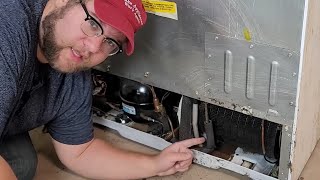
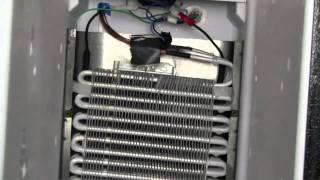
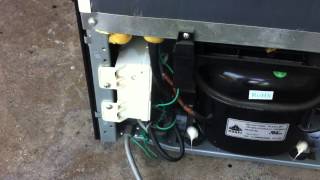
Real DIY Repair Stories
Be the first to share your repair story!
Share Your Repair Story
Your experience helps other homeowners fix their appliances. Tell us how it went!
Can't Fix It Yourself? Find a Local Technician
It's perfectly okay to call a professional. Some repairs require specialized tools, deep teardowns, or dealing with complex systems that are better left to the pros.

Find the Right Part for Your Appliance
Don't guess — search your exact appliance model number at ProsourceParts.com to find the correct OEM compatible replacement part. They offer fast free shipping, guaranteed fit, and thousands of parts in stock.
Your Free Parts Videos
Whether your dishwasher won't drain, your dryer stopped heating, or your fridge isn't cold, we've created simple repair guides for the most common appliance problems homeowners face. Each guide explains what's going wrong, the most likely causes, and which replacement parts fix the issue. When you're ready to order, we link directly to ProsourceParts.com where you can search by model number and get the right part shipped fast.