
Refrigerator Clicking Every 2–3 Seconds – What’s Causing It and What Part Fixes It?
Need the replacement part? Search your model number at for guaranteed fit and fast free shipping.
Understanding the Problem
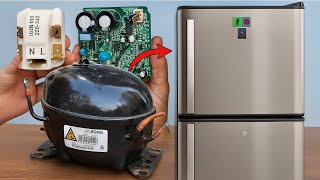
A regular click or ticking sound coming from a refrigerator every 2–3 seconds is a common symptom that the compressor is trying — but failing — to start, or that a control/valve component is rapidly cycling. The noise is often rhythmic because an overload or start relay repeatedly attempts to engage the compressor motor and then drops out. Other possible sources include a failing control board relay, a stuck ice/water fill valve cycling, or an intermittently seizing fan or compressor. Because the sound repeats on a steady interval, start troubleshooting at the back of the unit: the compressor and its start device produce a distinct click pattern, while water valves and ice maker components produce more valve-like clicks and brief humming. Diagnosing the exact source requires listening closely, sometimes removing the back panel, and performing a few safe electrical and mechanical checks to narrow down whether the problem is the start relay/overload, the compressor itself, a valve, or an electronic control relay.
Common Symptoms
Regular clicking or ticking every 2–3 seconds, fridge running intermittently or not cooling well, brief attempts to run (hum) that stop, occasional warm interior, or visible cycling of the ice/water dispenser.
Common Causes
- Failed compressor start relay or overload: relay tries to engage compressor repeatedly and drops out.
- Seized or failing compressor: motor can’t start, causing repeated start attempts/clicks.
- Faulty control board or relay that rapidly switches compressor power.
- Stuck/shorting water inlet valve or ice maker solenoid that cycles frequently.
- Malfunctioning fan motor or mechanical interference causing intermittent noise misinterpreted as clicks.
Popular Parts That Fix This Problem
These are the most common replacement parts that fix this problem. When you're ready to order, click below to find the right part at ProsourceParts.com — just search by your appliance model number for a guaranteed fit.

Helpful Repair Tip
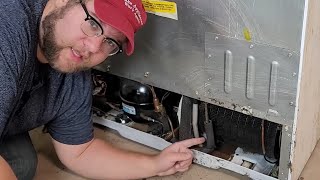
To isolate the source, pull the fridge away from the wall, listen at the back near the compressor and valves, then carefully remove the rear access panel (unplug first). If the click comes from the compressor area every couple seconds, suspect the start relay/overload or a failing compressor; if it’s from the top/side where the water line enters, suspect the water inlet valve or ice maker.
Frequently Asked Questions
Is it safe to leave the refrigerator running if it’s clicking every few seconds?
Short answer: not recommended long-term. Occasional clicking during normal cycles is fine, but repeated clicks every 2–3 seconds usually indicate a component is failing (start relay, compressor, or control relay). Continued attempts to start a seized compressor can overheat or damage the compressor and increase energy use. If the fridge is cooling normally, you can monitor it briefly, but arrange a diagnosis and repair soon to prevent a bigger failure.
How can I test the start relay to confirm it’s the problem?
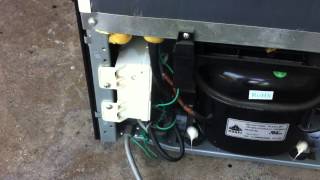
Unplug the fridge, remove the relay/overload from the compressor (usually a small plastic module clipped to the side of the compressor), and inspect for burning, charring, or a broken bracket. Shake the relay — a loose rattle can indicate failure. Use a multimeter to check continuity per manufacturer specs. If you have a known-good replacement relay, swapping it is a quick way to confirm: if the clicking stops and the compressor runs normally, the relay was the culprit. If the compressor still won't run with a good relay, the compressor or control board likely needs attention.
Related How-To Videos

Real DIY Repair Stories
Be the first to share your repair story!
Share Your Repair Story
Your experience helps other homeowners fix their appliances. Tell us how it went!
Can't Fix It Yourself? Find a Local Technician
It's perfectly okay to call a professional. Some repairs require specialized tools, deep teardowns, or dealing with complex systems that are better left to the pros.

Find the Right Part for Your Appliance
Don't guess — search your exact appliance model number at ProsourceParts.com to find the correct OEM compatible replacement part. They offer fast free shipping, guaranteed fit, and thousands of parts in stock.
Your Free Parts Videos
Whether your dishwasher won't drain, your dryer stopped heating, or your fridge isn't cold, we've created simple repair guides for the most common appliance problems homeowners face. Each guide explains what's going wrong, the most likely causes, and which replacement parts fix the issue. When you're ready to order, we link directly to ProsourceParts.com where you can search by model number and get the right part shipped fast.