
PYE2300AYW Thermal Fuse – What It Does and How to Replace It
Need the replacement part? Search your model number at for guaranteed fit and fast free shipping.
Understanding the Problem
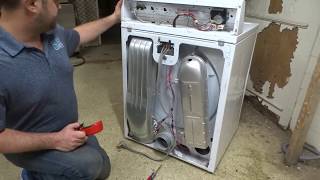
Brief explanation: The thermal fuse in a dryer is a one-time safety device that opens (cuts power) when the dryer overheats. On models referenced by PYE2300AYW, a blown thermal fuse is a common reason the dryer tumbles but produces no heat, or stops running in some configurations. Diagnostic & repair steps: 1. Safety first: unplug the dryer or switch off the circuit breaker. For gas dryers, also shut off the gas supply before you begin. 2. Confirm symptom: run a short cycle and verify the dryer tumbles but produces no heat, or it starts briefly then shuts off. If the dryer doesn't tumble, check door switch and drive first. 3. Locate the thermal fuse: on most dryers it is mounted on the blower housing or exhaust duct (rear access panel) or on the heating assembly. On top/front access models it may be behind the front panel. For PYE2300AYW-style units check the rear panel first. 4. Access the fuse: remove the rear panel (or front/top as required). Take photos of wiring if needed. The thermal fuse is a small rectangular/flat part with two wire terminals and usually attached with two screws. 5. Check continuity: set a multimeter to continuity or ohms. Disconnect the wires from the fuse and test across the two terminals. A good fuse shows near 0 ohms/continuity. An open circuit (OL) means the fuse is blown. 6. Inspect related causes: if the fuse is blown, do a visual inspection of the heating element, element housing, lint buildup, and the venting system. Excessive lint or a failed heating element (short to ground) can cause overheating and blow the fuse. Clean lint and test the heating element for shorts to the casing. 7. Check airflow/venting: remove lint from the lint trap, clean the lint path, and check the exhaust vent to the outside. Restricted airflow is the most common root cause of thermal fuse failure. 8. Replace the fuse: if open, replace it. Use the exact OEM replacement or an approved equivalent rated for your dryer. Replacement steps: a) power off, b) remove blown fuse (note orientation), c) mount new fuse and reconnect wires snugly, d) reassemble dryer panels. 9. Test after repair: reconnect power (and gas if applicable). Run the dryer on air/fluff first to verify it runs, then run a short heat cycle to confirm heating returns. Monitor exhaust temperature and make sure it cools down as designed. 10. If the new fuse blows again immediately, stop: this indicates a persistent overheating condition or a shorted heating element. You will need to test the heating element coils for continuity to chassis, the high-limit thermostat, and thermostats for faults. Replace the defective component and recheck venting. Safety note: Always disconnect power before working inside the dryer. Thermal fuses are non-resettable; do not bypass them. Bypassing creates a fire risk and is dangerous.
Common Symptoms
Dryer tumbles but does not heat; dryer runs briefly then stops; dryer will not start on heat cycles; visible blown thermal fuse or no continuity on fuse testing.
Common Causes
- Clogged lint filter, dryer vent or restricted exhaust causing overheating
- Faulty heating element shorting to the housing and causing excessive heat
- Failed thermostat or cycling control allowing the dryer to overheat
Popular Parts That Fix This Problem
These are the most common replacement parts that fix this problem. When you're ready to order, click below to find the right part at ProsourceParts.com — just search by your appliance model number for a guaranteed fit.

Helpful Repair Tip
Quick confirm: unplug the dryer, remove the fuse's two wires and test with a multimeter for continuity. No continuity = replace the fuse. If new fuse blows after replacement, clean/repair exhaust and test the heating element for shorts to chassis.
Frequently Asked Questions
Can I reset a blown thermal fuse?
No. Thermal fuses are one-time safety devices and cannot be reset. If open (no continuity) the fuse must be replaced. Do not bypass it — that creates a serious fire and safety hazard.
Why did the thermal fuse blow right after I replaced it?
If a new thermal fuse blows immediately, there is an underlying overheating cause: clogged venting, heavy lint buildup, a shorted heating element, or a faulty thermostat. Clean the vent path thoroughly and test the heating element and thermostats; replace any parts that are shorted or not regulating temperature.
Related How-To Videos

Real DIY Repair Stories
Be the first to share your repair story!
Share Your Repair Story
Your experience helps other homeowners fix their appliances. Tell us how it went!
Can't Fix It Yourself? Find a Local Technician
It's perfectly okay to call a professional. Some repairs require specialized tools, deep teardowns, or dealing with complex systems that are better left to the pros.

Find the Right Part for Your Appliance
Don't guess — search your exact appliance model number at ProsourceParts.com to find the correct OEM compatible replacement part. They offer fast free shipping, guaranteed fit, and thousands of parts in stock.
Your Free Parts Videos
Whether your dishwasher won't drain, your dryer stopped heating, or your fridge isn't cold, we've created simple repair guides for the most common appliance problems homeowners face. Each guide explains what's going wrong, the most likely causes, and which replacement parts fix the issue. When you're ready to order, we link directly to ProsourceParts.com where you can search by model number and get the right part shipped fast.